When nature’s fury leaves its mark, the path to recovery can feel intimidating. To navigate this challenge effectively, you’ll need the right tools at your side. Each tool plays a crucial role in ensuring a thorough restoration, from water extraction to mold prevention. Understanding how to choose and utilize these resources is essential. Let’s explore the top seven tools that can make all the difference in your flood damage restoration efforts.
Key Takeaways
Water Extraction Pump: Choose submersible or trash pumps for effective water removal in various conditions and depths.
Dehumidifiers: Maintain humidity levels between 30%-60% to enhance drying efficiency and prevent mold growth.
Air Movers: Utilize lightweight, adjustable air movers to promote uniform drying and reduce restoration time.
Moisture Meters: Invest in advanced moisture meters for accurate detection of hidden water pockets and effective assessments.
Protective Gear: Equip restoration professionals with gloves and goggles to ensure safety and compliance during cleanup efforts.
How to Choose the Right Water Extraction Pump for Flood Cleanup
When faced with the aftermath of a flood, how do you ensure you’ve chosen the right water extraction pump for effective cleanup?
Start by examining essential pump features such as flow rate, horsepower, and portability. These factors directly impact your extraction techniques and the speed of your recovery.
Consider whether you need a submersible pump for deeper water or a trash pump for debris-laden conditions. Additionally, look for user-friendly models that allow for quick setup and operation, ensuring you can focus on what really matters—restoring your space and peace of mind.
Advanced Moisture Meters for Accurate Assessments
To ensure accurate assessments during flood damage restoration, investing in advanced moisture meters is essential. These tools provide precise moisture detection, allowing you to identify hidden water pockets that can lead to further damage.
By using a reliable moisture meter, you can obtain accurate readings that inform your restoration process, ensuring that no area is overlooked.
When you’re dealing with flood damage, every detail matters. Advanced moisture meters help you understand the extent of the damage, guiding you in making informed decisions.
You’re not just restoring a space; you’re protecting a home and providing peace of mind to those affected. Embrace these technologies to foster a sense of security and belonging for yourself and your community during the restoration journey.
Best Cleaning Products to Stop Mold in Its Tracks
Identifying moisture is just the first step in flood damage restoration; tackling mold growth is another critical challenge.
To effectively combat mold, you’ll want to incorporate mold prevention strategies alongside the right cleaning products. Eco-friendly cleaners are a fantastic choice, as they kill mold spores and safeguard your environment.
Look for solutions containing vinegar or baking soda, which are both effective and safe for your family and pets. Additionally, hydrogen peroxide can be a powerful ally against stubborn mold.
Regularly applying these products helps maintain a mold-free space, fostering a sense of security in your home.
Essential Protective Gear for Restoration Professionals
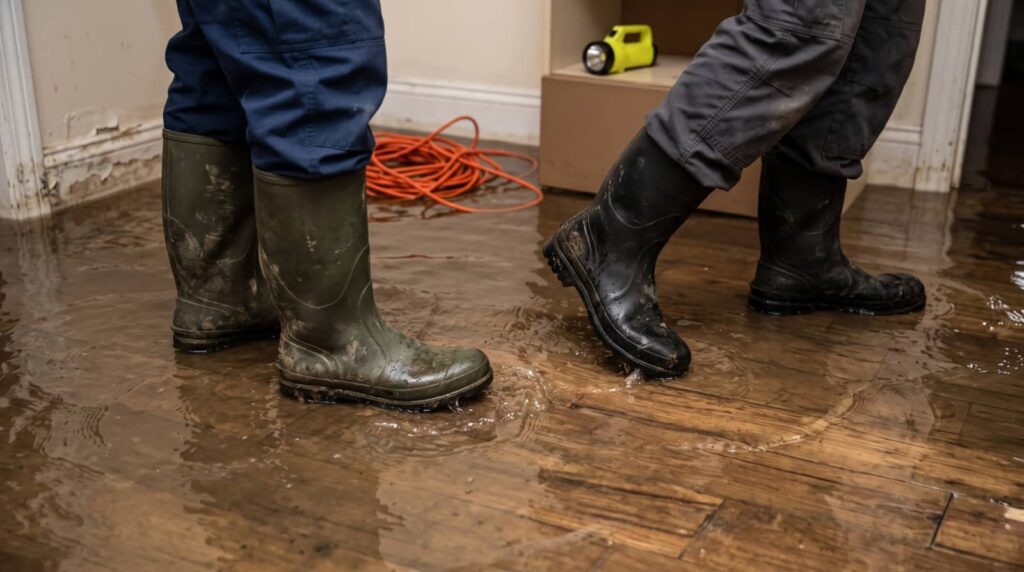
Flood damage restoration requires the right protective gear to ensure your safety and effectiveness on the job. Essential items include durable protective gloves that shield your hands from sharp debris and harmful contaminants. These gloves should fit snugly but still allow for dexterity, enabling you to handle tools and materials with ease.
Safety goggles are equally crucial; they protect your eyes from splashes and airborne particles, ensuring you can focus on the task without distraction.
Remember, the right gear safeguards your health and fosters a sense of community among restoration professionals. By prioritizing safety, you’re not just protecting yourself—you’re also contributing to a team that values well-being and efficiency.
Equip yourself properly to restore with confidence.
Top Disinfectants for a Safe Environment
Once you’ve donned your protective gear, the next step is ensuring the environment is safe through effective disinfection.
You’ll want to prioritize eco-friendly disinfectants that protect your health and contribute to a sustainable future. Look for products that are biodegradable and free from harsh chemicals to minimize environmental impact.
Hospital-grade solutions are ideal for eliminating pathogens in areas that’ve been flooded, offering peace of mind in your restoration efforts. These solutions are designed to meet stringent health standards, ensuring a safe space for you and others.
How to Use Dehumidifiers for Optimal Flood Recovery
Using dehumidifiers effectively is essential for restoring your space after a flood.
You’ll want to maintain ideal humidity levels to prevent mold growth, and strategic placement of the units can enhance their efficiency.
Let’s explore how to optimize their use for the best recovery results.
Ideal Humidity Levels
Achieving the ideal humidity levels is essential for effective flood damage restoration, as excessive moisture can lead to mold growth and structural issues.
You’ll want to maintain humidity levels between 30% and 60% for optimal moisture control. This range helps prevent further damage while promoting faster drying of affected areas.
Using dehumidifiers can greatly aid in reaching these levels. Regularly monitor humidity with a hygrometer to verify you’re on track. If levels rise, adjust your dehumidifiers accordingly.
Remember, keeping your space dry protects your property and contributes to a healthier environment for you and your loved ones.
Placement Tips and Techniques
To effectively restore your space after flooding, proper placement of dehumidifiers plays a key role in achieving ideal humidity levels.
Start by using strategic placement strategies—position dehumidifiers in the center of affected areas for maximum airflow. Avoid corners or cramped spaces where moisture can linger. Confirm equipment arrangement allows for unobstructed airflow; keeping doors and windows closed will enhance efficiency.
If you have multiple units, spread them across the space to create a balanced drying effect. Additionally, monitor humidity levels regularly to adjust placement as needed.
Industrial Air Movers: Speed Up the Drying Process
Industrial air movers are essential for enhancing air circulation during the drying process, which can greatly reduce recovery time.
By leveraging their energy efficiency, you cut costs while promoting a more sustainable restoration effort.
Plus, their versatile applications make them suitable for various environments, ensuring you can address moisture effectively wherever it’s needed.
Enhanced Air Circulation
When floodwaters recede, the urgency to restore your space can’t be overstated, especially if you want to prevent further damage.
Enhanced air circulation is essential in this process. By employing industrial air movers, you can considerably improve airflow techniques, ensuring that moisture evaporates quickly.
Position these units strategically to maximize efficiency, directing airflow towards damp areas. Coupling them with effective ventilation systems will further expedite drying, reducing the risk of mold growth and structural issues.
Remember, every minute counts in restoration, and the right tools can make all the difference. You’re not just restoring a space; you’re reclaiming your home and peace of mind.
Prioritize enhanced air circulation to achieve the best results.
Energy Efficiency Benefits
Effective drying can cut restoration time considerably, and energy-efficient industrial air movers play an essential role in this process. By utilizing these advanced machines, you speed up drying and achieve significant energy savings.
This efficiency means less electricity consumption, which is vital during extensive restoration projects. Furthermore, choosing energy-efficient options aligns with sustainable practices, benefiting both the environment and your budget.
You’ll feel proud knowing you’re making decisions that support sustainability while effectively restoring your space. By incorporating these air movers, you contribute to a community that values efficiency and environmental responsibility.
Together, we can create a more sustainable future while ensuring that your restoration efforts are quick and effective.
Versatile Usage Applications
Air movers are indispensable tools in flood damage restoration, offering versatile applications that extend beyond traditional drying methods.
These multifunctional equipment pieces are designed to adapt to various environments, ensuring efficient airflow to accelerate the drying process. You’ll find them invaluable for carpets and walls, as well as for hard-to-reach areas like crawl spaces and attics.
Their adaptable tools can be adjusted for speed and direction, allowing you to target specific spots effectively. By integrating air movers into your restoration strategy, you enhance the overall drying efficiency, minimizing potential mold growth and further damage.
You’re not just speeding up the process; you’re also fostering a safer environment for everyone involved.
Frequently Asked Questions
How Long Does Flood Damage Restoration Typically Take?
Flood damage restoration typically takes a few days to several weeks. It starts with a damage assessment, influencing the restoration timeline. Your situation’s complexity and severity will determine how long the entire process lasts.
Can I Handle Flood Restoration Myself?
You can tackle flood restoration yourself, but irony’s in thinking it’s easy. DIY techniques require safety precautions; without them, you risk injury or further damage. Sometimes, professional help fosters a sense of community and belonging.
What Are the Costs Associated With Flood Restoration?
Flood restoration costs vary based on damage severity, needed restoration equipment, and insurance coverage. You’ll likely face expenses for professional services, materials, and equipment rental, so it’s wise to assess your financial options carefully.
How to Prevent Future Flood Damage?
To prevent future flood damage, implement flood proofing techniques like elevating structures and installing drainage solutions. Regular maintenance of gutters and landscaping can also help manage water flow, fostering a safe, resilient environment for you and your community.
When Should I Contact a Restoration Professional?
You should contact a restoration professional immediately after flood damage occurs. Timely emergency response can greatly affect the restoration timeline, ensuring your home returns to a safe, comfortable state as quickly as possible.
Summary
In flood damage restoration, having the right tools isn’t just a luxury; it’s crucial for effective recovery. You might think investing in specialized equipment is costly, but consider the long-term benefits—preventing further damage and ensuring safety. By using submersible pumps, advanced moisture meters, and industrial air movers, you’re streamlining the process and safeguarding your health and property. Don’t underestimate the importance of these tools; they’re essential for a successful restoration journey.