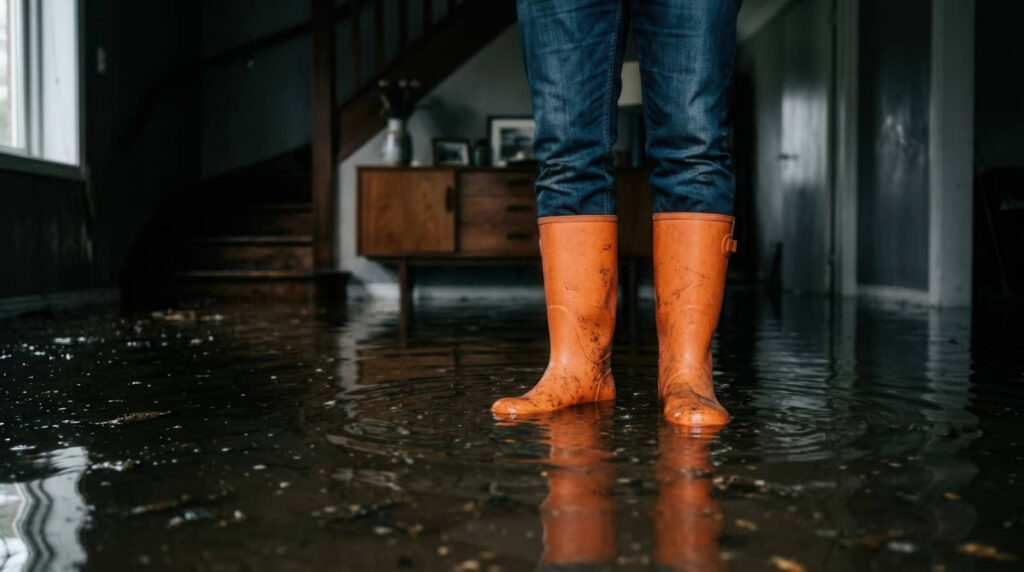
If you arrive to find the power out just as floodwater creeps in, you’ve got little time to act. Flood Damage Water Cleanup should begin with safely assessing the damage, then extracting standing water as quickly as possible. Next, remove wet materials and separate salvageable items before drying walls, floors, and hidden cavities. After that, disinfect surfaces with appropriate EPA-approved products. The real challenge often starts when everything looks dry but isn’t, and that’s where the next steps matter.
Key Takeaways
- Prioritize safety: shut off power if needed, avoid standing water near outlets, and wear protective gear before entering.
- Remove standing water quickly using pumps or wet vacs, checking for hidden pooling under floors and along walls.
- Sort and remove damaged materials, salvaging only items that can be safely cleaned and dried.
- Dry the structure with fans and dehumidifiers, monitor humidity and moisture daily, and keep the area isolated.
- Clean hard surfaces, then disinfect with EPA-registered products, removing unsalvageable drywall, insulation, and trim if contaminated.
Check the Damage Safely First
Before you step into a flooded area, you need to assess the space for immediate hazards.
Wear personal protective gear before you enter, and follow safety protocols that your team or local responders recommend.
You should look for exposed wiring, gas odors, sagging ceilings, sharp debris, and unstable flooring.
Keep children, pets, and untrained helpers out until you confirm the area is secure.
If water reaches outlets, appliances, or breaker panels, stay back and call a qualified professional.
Use a flashlight instead of candles so you don’t add fire risk.
Document visible damage with photos from a safe distance, but don’t touch contaminated surfaces yet.
When you verify the structure is stable, you can move forward with confidence, knowing you’re protecting your crew and your home.
Extract Flood Water Fast
Start removing standing water as quickly as it’s safe to do so, because delay increases structural damage, mold growth, and contamination spread. Use water extraction with a submersible pump or wet vac, and keep discharge lines outside the structure.
Follow these pumping techniques:
- Place the pump at the lowest point.
- Prime the hose before startup.
- Move the intake as the level drops.
- Monitor power cords and GFCI protection.
Work in short passes so you don’t stir debris back into the water. If the flow slows, clear clogs and reposition the intake.
Keep your team coordinated, because fast, orderly removal protects your space and cuts cleanup time. After each pass, check for hidden pooling under flooring edges and along walls.
Remove Wet Materials and Save Salvageable Items
Once the standing water is gone, pull out soaked materials that can’t be dried or disinfected safely, because they’ll hold moisture and drive mold growth.
You should separate items into keep, clean, and discard piles so your team can work efficiently. Use material assessment to judge what’s worth saving: solid wood, metal, glass, and sealed plastics often survive if you clean them promptly.
Porous materials like drywall, insulation, carpet padding, and ceiling tiles usually need removal.
Apply salvage strategies by photographing damage, labeling items, and moving valuables to a dry staging area.
Wear gloves and masks, and don’t mix contaminated debris with recoverable belongings.
Work methodically, trust your checklist, and help each other preserve what can truly be restored.
Dry Walls, Floors, and Hidden Moisture
With salvageable items moved out, focus on drying the structure itself so trapped moisture doesn’t keep feeding mold and material failure.
You’ll work as a team with the building, using airflow, heat, and moisture detection to verify progress. Remove baseboards if needed so wall insulation can release hidden water.
- Position fans to sweep across wet surfaces, not straight into walls.
- Run dehumidifiers continuously and empty them on schedule.
- Probe floors, framing, and cavities with a meter until readings drop.
- Open trapped spaces only when you can keep drying them.
Check corners, under cabinets, and along sill plates where water lingers.
If readings stall, keep drying before you close anything back up. You’re not rushing; you’re restoring a safe, dry shell that your household can trust.
Disinfect Surfaces to Prevent Mold
Choose a disinfectant labeled for mold control and follow the manufacturer’s dilution and contact-time instructions.
Clean all hard, nonporous surfaces thoroughly to remove residue, then apply the disinfectant evenly and let it stay wet for the full required time.
Repeat treatment and keep surfaces dry to help prevent mold regrowth.
Choose Proper Disinfectants
After flood cleanup, you should disinfect every hard, nonporous surface that contacted contaminated water to reduce the risk of mold growth and bacterial spread.
Choose disinfectant types that match the surface and contamination level, and follow the label exactly. You belong with the crews who work methodically:
- Use EPA-registered disinfectants for flood residues.
- Select bleach solutions only when the label allows.
- Avoid mixing chemicals; toxic gases can form.
- Keep ventilation on while you work.
Apply using approved application techniques: wet the surface fully, maintain required contact time, and reapply if it dries too soon.
Wear gloves and eye protection, and discard any solution that’s expired or cloudy.
When you stay precise, you protect your space and your team.
Clean Hard Surfaces
Scrub hard, nonporous surfaces to remove silt, residue, and visible contamination before disinfecting them. Use approved cleaning techniques with detergent and clean water, then rinse well so disinfectant can contact the surface.
Apply the product at the labeled concentration and keep the area wet for the required contact time. Work on one section at a time so you don’t miss corners, seams, or textured areas.
Match your method to the surface materials: sealed tile, metal, glass, and finished plastic can tolerate wet cleaning, while damaged or porous items need separate handling.
Wear gloves and eye protection, and ventilate the space while you work. Wipe away excess liquid when the cycle ends, then inspect for remaining soil and repeat if needed.
Prevent Mold Regrowth
Once the surface is clean and dry enough to treat, disinfect it with a product labeled for mold control to help prevent regrowth.
You’ll protect your space and keep your crew safe by following these mold prevention techniques:
- Apply the disinfectant exactly as directed; don’t dilute beyond the label.
- Keep the surface wet for the full contact time so the treatment can work.
- Rinse only if the product instructions require it, then dry the area completely.
- Use humidity control methods, like dehumidifiers and ventilation, to keep indoor moisture low.
Inspect the area daily for staining or odor.
If you spot new growth, repeat cleaning and disinfection right away.
Stay consistent, and you’ll help your team maintain a healthier, mold-resistant environment together.
Repair Flood Damage and Restore the Space
Check for structural damage first, including framing, subfloors, and support members, before you begin repairs.
Then dry and sanitize all affected areas to stop hidden moisture and contamination from spreading.
Replace damaged walls, flooring, and finishes only after the space is fully dry and stable.
Assess Structural Damage
Start by inspecting the structure for swelling, warping, cracks, sagging, and moisture intrusion, since floodwater can weaken framing, drywall, subflooring, and insulation quickly.
You’ll protect structural integrity by documenting every defect before any repair starts. Use a focused damage assessment so you and your crew stay aligned.
- Check load-bearing walls for bowing or separation.
- Probe floors for softness, deflection, and hidden rot.
- Examine joists, beams, and sill plates for splits.
- Record ceiling movement, shifted door frames, and tile displacement.
If you find major distortion, stop using the area and call a qualified inspector.
Small cracks can signal larger stress, so trace each one to its source. Clear notes help your team move together with confidence toward safe restoration.
Dry And Sanitize
Move quickly to dry the affected area, because standing moisture fuels mold growth, corrosion, and material breakdown.
Remove wet contents, open pathways for airflow, and run fans plus dehumidifier usage to pull humidity down fast.
Check hidden pockets with moisture detection tools in walls, baseboards, and subfloors so you don’t miss trapped water.
Clean hard, nonporous surfaces with detergent first, then sanitize with an approved antimicrobial product at the label rate.
Wear gloves, eye protection, and a respirator if contamination is possible.
Replace filters in air movers as needed and monitor humidity daily until readings stabilize.
Keep the area isolated from clean rooms so your team stays safe and aligned while you finish drying.
Restore Walls Floors
Once the structure is dry and sanitized, you can begin restoring walls and floors by removing unsalvageable drywall, insulation, trim, warped subflooring, and damaged flooring materials.
Inspect framing for rot, then replace wall insulation with dry, mold-resistant product to support mold prevention.
- Cut back drywall at least 12 inches above the water line.
- Remove baseboards and expose hidden moisture.
- Verify subfloor integrity before installing new underlayment.
- Rebuild surfaces with fasteners rated for damp-prone areas.
You’ll belong in a safer, cleaner space when you seal seams, prime repaired areas, and reinstall finishes only after moisture readings stay within spec.
Match materials to the room’s use, and keep airflow steady during curing.
Frequently Asked Questions
How Soon Should I Call My Insurance Company After Flooding?
Call your insurance company immediately after flooding, ideally within hours, so you can start the claim process fast. You’ll protect your flood insurance coverage, document losses, and join the recovery process with support.
What Documents Should I Photograph for a Flood Damage Claim?
Photograph claim documentation: your damaged rooms, walls, floors, furniture, appliances, receipts, serial numbers, and any temporary repairs. Use photo tips: take wide shots, close-ups, and date-stamped images, so you’ll support your claim clearly and confidently.
Can Contaminated Floodwater Cause Long-Term Health Problems?
Yes—contaminated floodwater can cause long-term health problems; over 1 million U.S. residents face flood exposure yearly. You should avoid floodwater contaminants, wear protection, and seek medical care if you notice lingering health risks.
How Do I Know if My Electrical System Is Safe to Use?
You’ll know your electrical system’s safe only after a licensed electrical inspection confirms dry components, intact wiring, and proper grounding. Until then, keep power off, follow safety measures, and stay connected to trusted helpers.
Should I Hire a Professional Remediation Company or DIY Cleanup?
Hire a professional remediation company if you need faster cleanup efficiency, hidden moisture detection, or contamination control; DIY saves on cost comparison, but you’ll need proper gear, drying tools, and careful monitoring to avoid recurring damage.
Conclusion
Flood cleanup works best when you act fast and stay safe. If you remove standing water within 24 to 48 hours, you greatly reduce mold risk and structural damage. You should inspect the area, extract water, discard unsalvageable materials, and dry hidden cavities thoroughly. Then disinfect all affected surfaces with an EPA-approved product. Finish by repairing damaged components and confirming moisture levels are normal before you reoccupy the space.