When dealing with water damage, understanding cost-effective extraction solutions is vital for property owners. Quick identification and response can minimize long-term impacts. Techniques like using wet/dry vacuums and dehumidifiers can provide immediate relief, but they come with limitations. Evaluating the effectiveness of these methods versus professional services is essential. You’ll want to explore the most efficient approaches and discover how to safeguard your property against future issues. What strategies will prove most effective for your situation?
Key Takeaways
- Utilize DIY methods like wet/dry vacuums for quick removal of minor water damage, saving on professional costs.
- Implement temporary drying methods such as fans and dehumidifiers to expedite the drying process affordably.
- Regularly inspect plumbing and maintain ventilation to prevent leaks and moisture buildup, reducing future extraction needs.
- Treat damp areas with vinegar to prevent mold growth, minimizing health risks and additional remediation costs.
- Schedule routine maintenance for gutters and drains to prevent overflow and avoid costly water damage repairs.
Understanding the Importance of Water Extraction for Properties
Water extraction is essential for maintaining the integrity and value of your property, especially when faced with flooding or leaks. Prompt water removal minimizes water damage, preventing structural deterioration and costly repairs.
Effective property maintenance hinges on swift action, addressing both immediate and long-term concerns.
Insurance considerations also play a critical role; timely extraction can influence claims and coverage.
Furthermore, neglecting water issues can lead to significant health risks, such as mold growth, which poses dangers to occupants.
Finally, the environmental impact of water damage can extend beyond your property, affecting local ecosystems.
Common Causes of Water Damage in Commercial Properties
When considering the vulnerabilities of commercial properties, several common causes of water damage can emerge, often stemming from internal and external factors.
Leaky pipes and plumbing failures frequently lead to unnoticed water accumulation, while broken appliances can cause significant issues during operation.
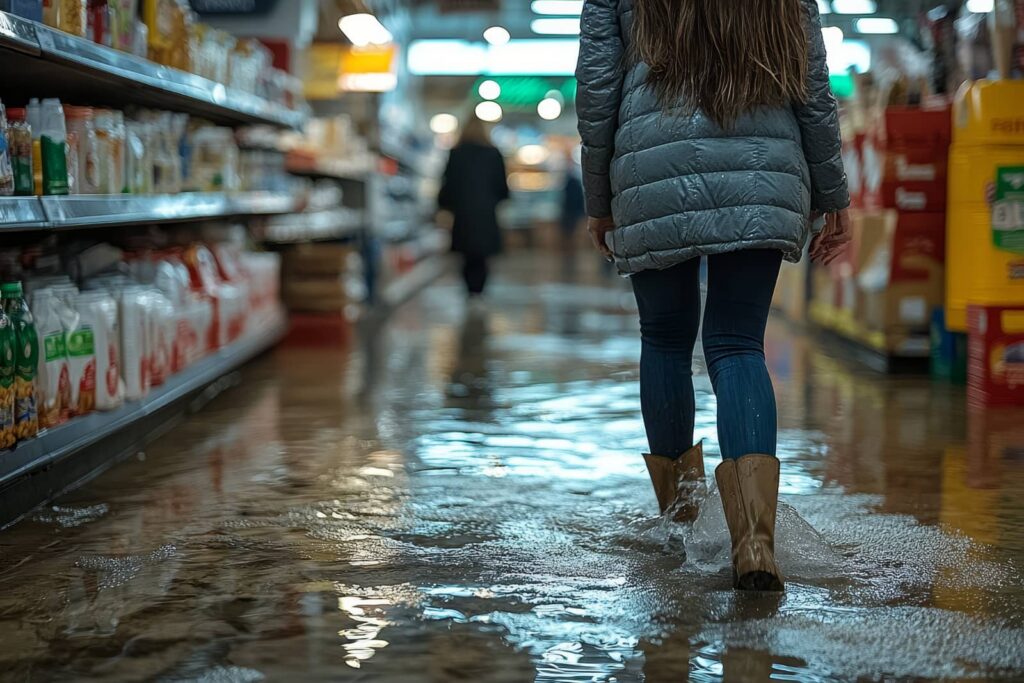
Flooding incidents, often triggered by severe weather events, can overwhelm drainage systems, resulting in water intrusion.
Additionally, foundation leaks and aging roofs compromise structural integrity, allowing moisture to seep in.
Drainage issues can exacerbate these problems, causing backups and pooling water.
Finally, sewage backups and appliance malfunctions are critical hazards that can disrupt operations and necessitate immediate attention.
Understanding these causes helps you implement effective prevention strategies for your property.
How to Spot Severe Water Damage?
Identifying severe water damage early can save your commercial property from costly repairs and operational disruptions.
Look for key water damage indicators, such as discoloration on walls, peeling paint, or warped flooring. These signs often indicate moisture issues that require immediate attention.
Utilize moisture detection techniques, like infrared cameras or moisture meters, to assess hidden damage behind walls and beneath floors.
Check for musty odors, which can signal mold growth, a direct consequence of prolonged moisture exposure.
Regularly inspect plumbing fixtures and areas prone to leaks, as these are common culprits.
Cost-Effective Techniques for Water Extraction
When addressing water extraction, you’ll find that DIY methods can be both effective and economical.
Selecting affordable equipment options can further enhance your efficiency and reduce costs.
DIY Water Extraction Methods
Although professional water extraction services can be costly, DIY methods offer effective, budget-friendly alternatives for tackling minor water damage.
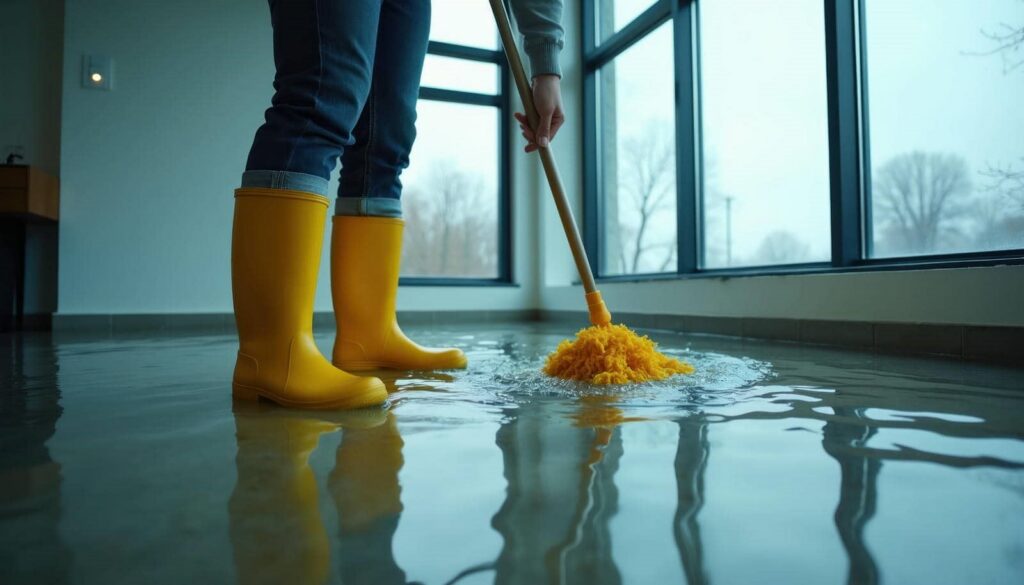
Start with a thorough water damage assessment to identify affected areas. Utilize DIY extraction tools like wet/dry vacuums to remove standing water swiftly. Employ emergency water techniques, such as towels and mops, for smaller spills.
Implement temporary drying methods, including fans and dehumidifiers, to expedite moisture removal. For ongoing home moisture control, regularly check for leaks and maintain proper ventilation.
Finally, follow mold prevention tips, such as treating damp areas with vinegar or commercial mold removers. By adopting these strategies, you can safeguard your home and maintain a sense of belonging within your community.
Affordable Equipment Options
Investing in affordable equipment can markedly enhance your ability to tackle water extraction effectively. By exploring various options, you can find tools that fit your budget without sacrificing performance.
Research affordable pumps with strong efficiency ratings.
Consider budget vacuums that are designed for water extraction.
Look into rental options for high-end equipment you may only need occasionally.
Check local suppliers for used equipment that still meets quality standards.
Be certain to perform cost comparisons and read brand reviews to ensure you’re making informed choices.
This approach saves money and fosters a sense of belonging to a community that values resourcefulness in managing water extraction challenges.
Pros and Cons of Popular DIY Water Extraction Methods
While many homeowners consider DIY water extraction methods to save money, each approach comes with its own set of advantages and disadvantages.
Using suction devices like wet vacuums can effectively remove standing water, but they may not address deeper moisture issues.
Absorbent materials and drying techniques help, yet they often require additional restoration products to ensure thorough drying.
Moisture meters are essential for confirming dryness but add to overall costs.
Flood barriers and drainage systems can prevent future flooding, but installation might be complex.
Chemical agents can remove mold, yet they pose safety risks.
Understanding these pros and cons allows you to make informed decisions about insulation methods and overall effectiveness in restoring your property.
Know When to Call Professional Water Extraction Services
Recognizing the signs of water damage is essential for timely intervention.
If you notice discoloration, mold growth, or a musty odor, it’s time to assess the situation seriously.
Acting quickly can prevent further structural damage, making professional water extraction services a necessary consideration.
Signs Of Water Damage
Water damage can escalate rapidly, so identifying its signs early is essential for preventing extensive repairs. Recognizing these indicators protects your property and supports potential insurance claims.
Here are some signs to watch for:
- Visible water stains on walls or ceilings
- Warped or buckling flooring
- Musty odors indicating mold growth
- Increased humidity levels in the air
If you notice any of these symptoms, it’s vital to act swiftly. Delaying can lead to more severe issues, including structural damage and health risks from mold growth.
Don’t hesitate to call professional water extraction services to mitigate risks and safeguard your home. Being proactive can save you both time and money in the long run.
Timing Is Essential
Ignoring the signs of water damage can lead to costly consequences, making it essential to know when to seek professional water extraction services. Effective timing strategies can greatly minimize damage and repair costs.
As soon as you notice dampness, mold growth, or a musty odor, it’s vital to act quickly. Delaying your response can exacerbate the situation, leading to structural issues and health risks.
Professionals offer emergency response services that can extract water and mitigate damage within hours. Remember, every minute counts; the sooner you call, the better your chances of preserving your property.
Establishing a proactive approach to potential water issues fosters a sense of community and shared responsibility among property owners. Don’t wait—your property deserves timely intervention.
Understanding the Costs of Professional Water Extraction
When evaluating the costs of professional water extraction, it’s essential to take into account various factors that influence pricing.
A thorough cost analysis can help you make informed decisions during budget planning.
Consider these key aspects:
Extent of Water Damage: More severe damage typically requires more resources.
Type of Water: Clean, gray, or black water extraction varies in complexity.
Location: Travel distances can influence labor costs.
Time of Service: Emergency services may incur higher fees.
Essential Equipment for Effective Water Extraction
Effective water extraction hinges on using the right equipment, which can greatly enhance efficiency and outcomes.
Start with reliable pumping systems to remove large volumes of water quickly. Incorporate moisture meters to monitor saturation levels, ensuring thorough extraction.
Extraction vacuums are essential for pulling residual water from carpets and surfaces. After extraction, deploy drying fans to promote airflow and reduce drying time.
Water filters help maintain the quality of extracted water, while restoration chemicals can eliminate contaminants. For versatility, consider portable units that can be easily moved to different areas.
Finally, industrial dehumidifiers are vital for controlling humidity levels, preventing mold growth, and ensuring a complete drying process.
Together, these tools form an extensive water extraction strategy.
Preventive Measures to Avoid Future Water Damage
To prevent future water damage, you need to implement key maintenance practices.
Regular roof inspections, gutter and drain maintenance, and sealing foundation cracks are essential steps.
Regular Roof Inspections
Schedule inspections at least twice a year.
Check for signs of wear, such as missing shingles.
Inspect flashing and seals around chimneys and vents.
Look for signs of water pooling or leaks.
Following a consistent inspection frequency protects your investment and fosters a sense of community responsibility among homeowners.
By taking these proactive steps, you contribute to the longevity of your property and help avoid the expensive consequences of water damage.
Stay vigilant and ensure your roof remains a reliable shield against the elements.
Maintain Gutters and Drains
Regularly maintaining your gutters and drains can prevent costly water damage to your home. Clogged gutters can lead to water overflow, damaging your roof and foundation. Schedule routine gutter maintenance to remove debris, ensuring proper water flow.
Inspect for leaks or loose fittings, as these issues can exacerbate water accumulation.
Additionally, regular drain cleaning is essential. Blocked drains can cause water to back up, leading to structural damage and mold growth. Utilize professional services or DIY methods to keep drains clear and functional.
Seal Foundation Cracks
Even small cracks in your foundation can lead to significant water damage if left unaddressed. To protect your property, consider implementing these essential preventive measures:
- Use exterior sealing to block water infiltration.
- Install reliable drainage systems to divert water away.
- Create effective moisture barriers in basements and crawl spaces.
- Perform proper soil grading to ensure water drains away from your foundation.
Regular foundation repair can help maintain structural integrity.
Additionally, integrating sump pumps can effectively manage groundwater levels.
Make necessary landscaping adjustments to further enhance drainage.
By taking these proactive steps, you can minimize future water damage and secure your home’s longevity.
Don’t wait until it’s too late; addressing these issues now will save you time and money down the road.
Tips for Choosing the Right Water Extraction Service
How can you ensure that you select the right water extraction service for your needs? Start by evaluating their expertise in various water extraction methods. A reputable service should offer a range of techniques tailored to different situations, ensuring effective results.
Next, assess their service reliability; check reviews and testimonials to gauge customer satisfaction. Don’t hesitate to ask about their response time in emergencies, as swift action is vital in minimizing damage.
Additionally, verify their credentials and insurance coverage, which protects you from liability. Finally, obtain detailed quotations to understand the cost structure, ensuring there are no hidden fees.
Frequently Asked Questions
How Long Does the Water Extraction Process Usually Take?
The water removal timeline typically ranges from a few hours to several days, depending on extraction efficiency and the water volume. Factors like equipment used and property conditions greatly influence the overall duration of the process.
Can I Extract Water Without Special Equipment?
Yes, you can extract water without special equipment using DIY methods like natural drainage. Ensure you direct water away from your property, utilizing gravity and landscape features to facilitate effective water movement and minimize pooling.
What Are the Health Risks of Untreated Water Damage?
Untreated water damage poses significant health risks, including mold growth and exposure to contaminated surfaces. You might think it’s manageable, but ignoring it can lead to serious respiratory issues and long-term property damage.
How Can I Assess My Property’s Water Damage Risk?
To assess your property’s water damage risk, inspect potential water sources like roofs and basements. Regular property inspections can help identify vulnerabilities, ensuring you address issues before they escalate into significant problems.
Are There Eco-Friendly Water Extraction Methods Available?
Have you considered rainwater harvesting? It’s eco-friendly and efficient. Coupling that with natural filtration systems extracts water sustainably and enhances your property’s resilience against potential water damage.
Summary
In the domain of property maintenance, think of water extraction as a lifeline, cutting through the chaos of damage. By embracing effective DIY methods and preventive measures, you can fortify your space against future storms. Just as a sturdy dam channels excess water, your proactive approach will protect your investment and ensure longevity. Ultimately, knowledge is your best ally; harness it to navigate the turbulent waters of property care, turning potential disasters into manageable challenges.