You might think that managing water damage is too costly for your business, but effective solutions exist that won’t break the bank. By focusing on prevention and smart recovery strategies, you can protect your assets without overspending. Understanding the initial steps to assess damage and the best practices for cleaning can make all the difference. Discover how to implement these strategies and safeguard your business against future risks.
Key Takeaways
- Implement regular maintenance checks on plumbing and roofing to prevent costly water damage incidents before they occur.
- Utilize eco-friendly cleaning solutions and effective drying techniques to minimize cleanup costs and environmental impact.
- Employ waterproofing techniques like sealants and drainage solutions to reduce the risk of water intrusion and associated expenses.
- Engage restoration services with a proven track record and transparent pricing to avoid unexpected costs during the recovery process.
- Document all damage thoroughly for insurance claims to ensure maximum coverage and reduce out-of-pocket expenses.
Assessing the Damage: Initial Steps for Businesses
When water damage strikes your business, evaluating the impact quickly is essential to minimizing losses. Start by conducting a thorough damage assessment. Identify affected areas, including walls, floors, and equipment. Document the extent of the damage with photographs and written notes; this will aid in your recovery efforts and insurance claims.
Next, prioritize your risk evaluation. Determine which assets are critical to your operations and how their loss would affect your business continuity.
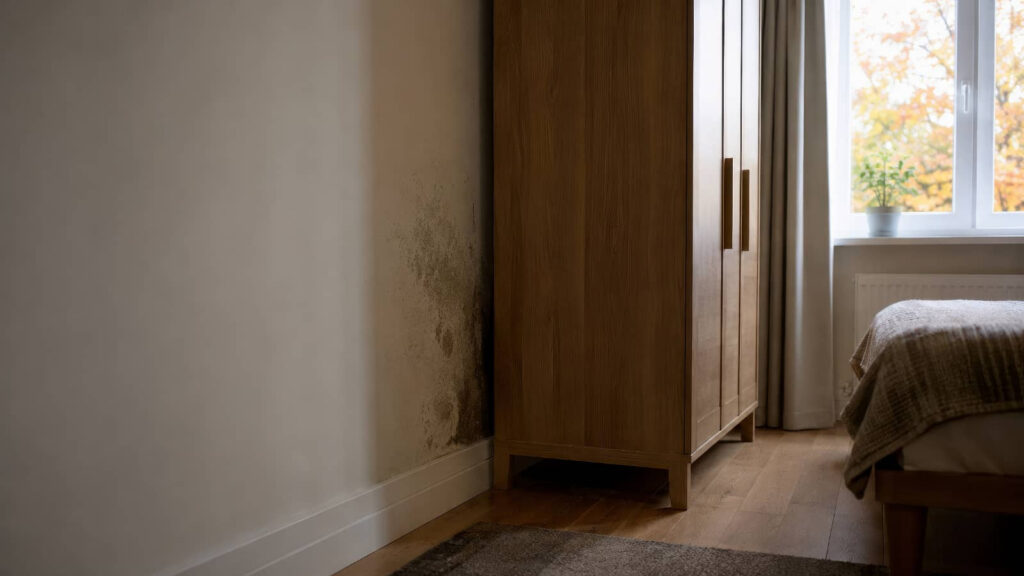
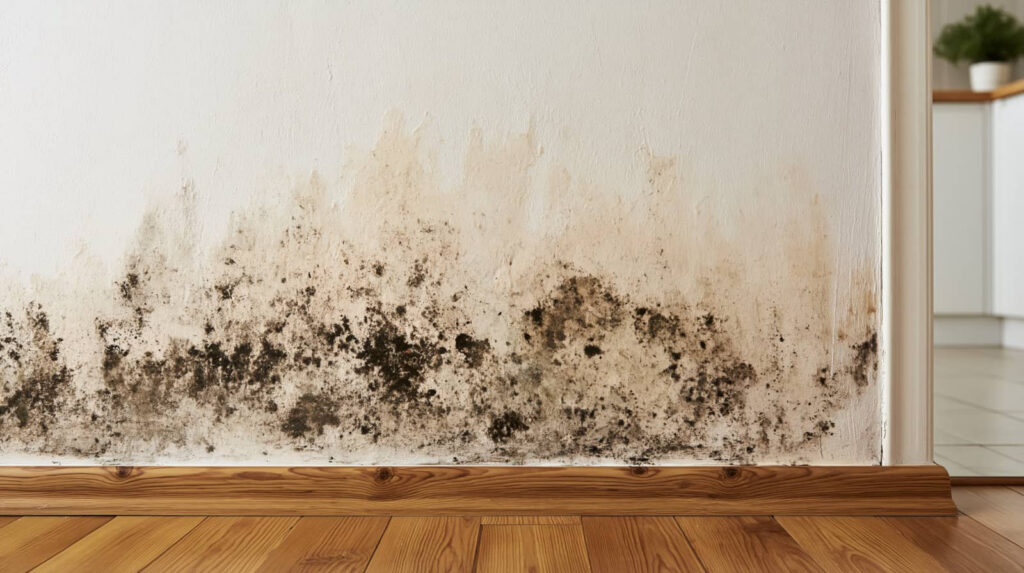
Consider the potential for mold growth or structural issues, as these can exacerbate damage and lead to costly repairs. Engage professionals if necessary, as their expertise can provide a detailed overview of the situation.
Implementing Preventive Measures to Minimize Future Risks
After evaluating the damage and understanding the risks, implementing preventive measures is essential for safeguarding your business against future water-related incidents.
By taking proactive steps, you can greatly reduce the likelihood of damage and ensure continuity.
Utilize Waterproofing Techniques: Apply sealants and membranes to vulnerable areas, preventing water intrusion during heavy rains.
Establish Drainage Solutions: Confirm proper drainage systems are in place to divert water away from your property, reducing the risk of flooding.
Regular Maintenance Checks: Conduct routine inspections of plumbing and roofing systems to catch potential issues before they escalate.
Cost-Effective Cleaning Techniques for Water-Damaged Areas
While dealing with water damage can be overwhelming, employing cost-effective cleaning techniques can greatly facilitate the recovery process.
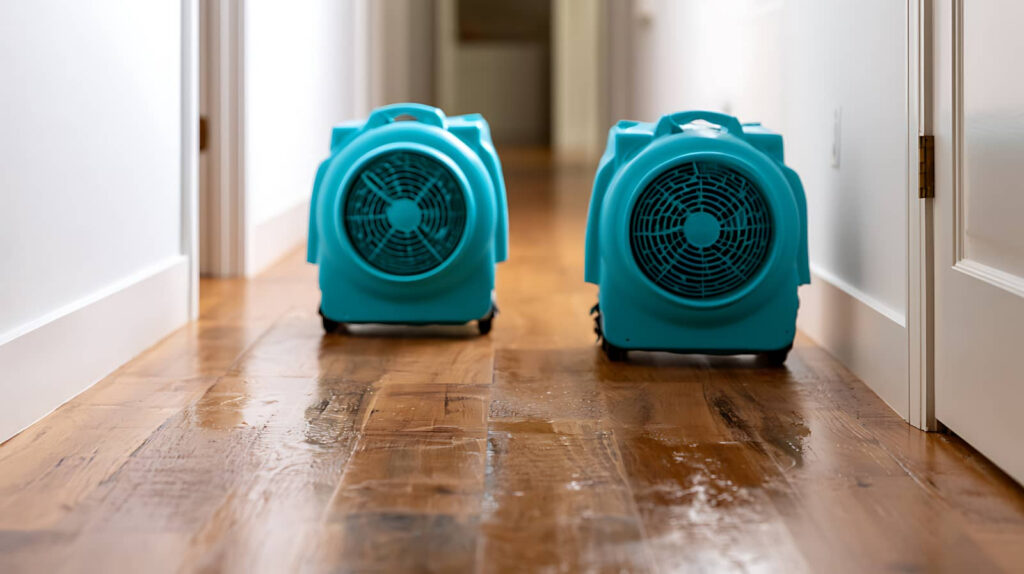
Start by implementing effective drying techniques, such as using fans and dehumidifiers to remove excess moisture from affected areas. This speeds up the drying process and reduces the risk of mold growth.
Next, practice thorough mold remediation by cleaning surfaces with a mixture of water and mild detergent. Make certain you scrub all visible mold and dry the area completely to prevent regrowth.
For porous materials like carpets and drywall, consider replacing them if they’re heavily affected.
Additionally, using eco-friendly cleaning solutions can save costs while protecting your environment.
Regularly inspect and maintain your property after water damage to address any lingering issues promptly.
Choosing Affordable Restoration Services: What to Look For
How can you ensure you’re choosing affordable restoration services without compromising quality? It’s essential to evaluate potential companies based on specific criteria.
Here are three key aspects to take into account:
Service Quality: Look for providers that demonstrate a proven track record in water damage restoration. Check if they use advanced techniques and equipment.
Customer Reviews: Investigate reviews from previous clients. Positive feedback can indicate reliability and effectiveness, while consistent complaints suggest potential issues.
Transparent Pricing: Make sure the company offers clear and detailed estimates. Hidden fees can inflate costs, so it’s critical to understand what you’re paying for.
Insurance Considerations: Maximizing Your Coverage for Water Damage
When dealing with water damage, understanding your insurance coverage is crucial to ensure you receive the necessary financial support. Start by reviewing your policy to identify coverage limits specific to water damage. This can include damage from flooding, leaks, or burst pipes. Knowing these limits helps you prepare for potential out-of-pocket costs.
Next, familiarize yourself with the claim process. Document the damage thoroughly with photos and notes, and report it promptly to your insurance provider. A clear record will strengthen your claim and expedite the process.
Lastly, consider working with a restoration service familiar with insurance claims. They can assist in maneuvering the details and ensuring you maximize your coverage effectively.
Frequently Asked Questions
How Can Businesses Quickly Identify Hidden Water Damage?
You can quickly identify hidden water damage by conducting moisture detection assessments and performing thorough leak inspections. Regular monitoring and using specialized equipment help you spot potential issues before they escalate, ensuring your business remains safe and sound.
What Materials Are Most Effective for Water Absorption?
Absorbent materials like cotton, cellulose, and specialized polymers can absorb up to 20 times their weight in water. For effective water extraction, using these materials ensures a quick response and minimizes damage, keeping your environment safe and dry.
How Do Humidity Levels Affect Water Damage Recovery?
Humidity levels greatly impact water damage recovery. You’ll need effective humidity control and accurate moisture measurement to prevent further issues. Maintaining ideal humidity speeds up drying processes and reduces the risk of mold growth, ensuring your space recovers effectively.
Are DIY Restoration Methods Safe for Businesses?
DIY restoration methods can pose significant risks to businesses. Prioritize safety by evaluating your skills and potential hazards before diving into any restoration project.
What Is the Typical Timeline for Water Damage Restoration?
The restoration process timeline typically spans several days to weeks, depending on damage severity. Expect a damage assessment duration of 24 to 48 hours, followed by drying, cleaning, and repairs to restore your space effectively.
Review
Managing water damage doesn’t have to break the bank. By evaluating damage promptly, implementing preventive measures, and utilizing cost-effective cleaning techniques, you can safeguard your business. Choosing affordable restoration services and understanding your insurance coverage are essential steps in minimizing financial setbacks. Remember, proactive planning and informed decisions create a ripple effect, ensuring you’re not just reacting to emergencies, but preventing them. Invest in these strategies to protect your business’s future and bottom line.