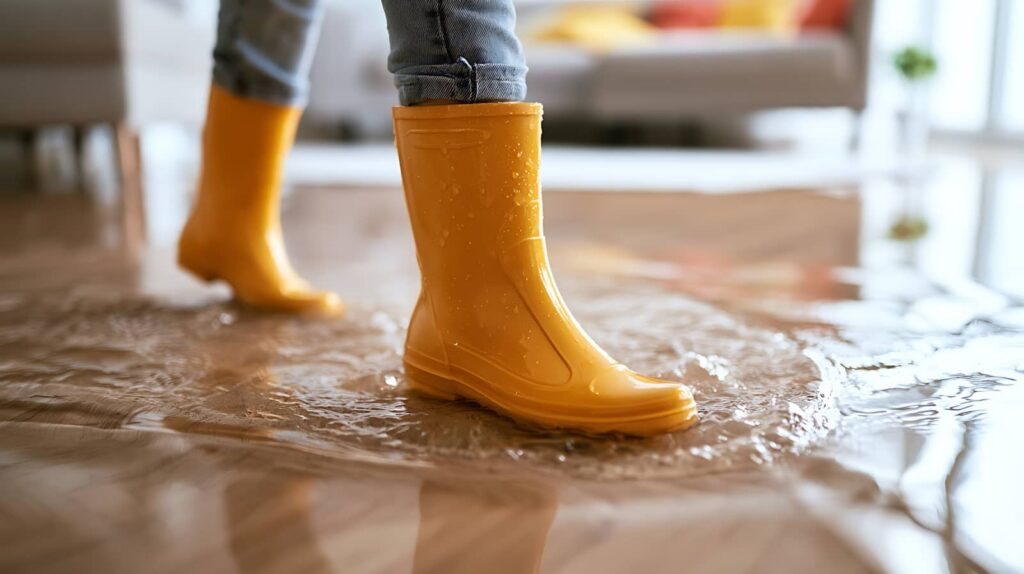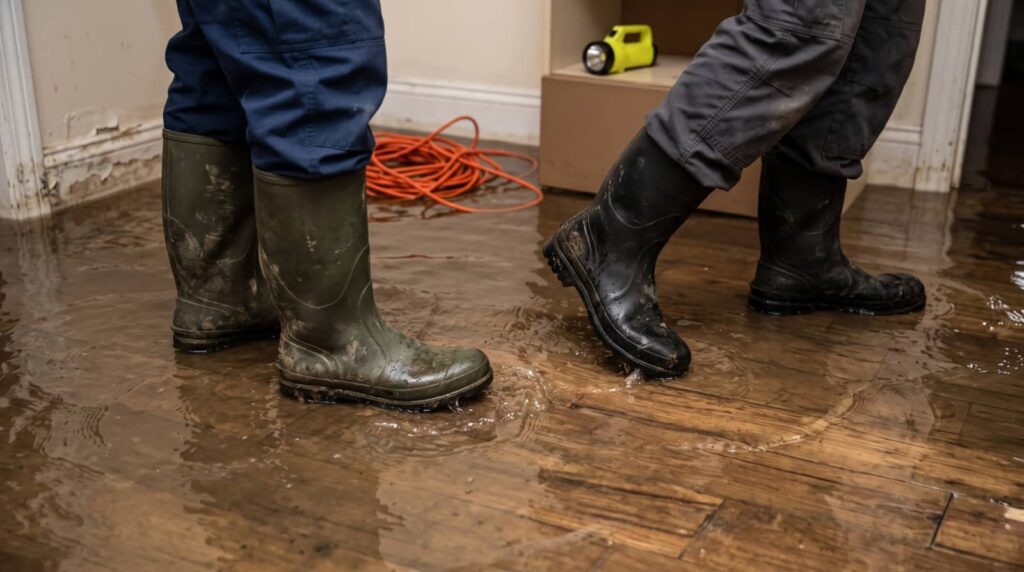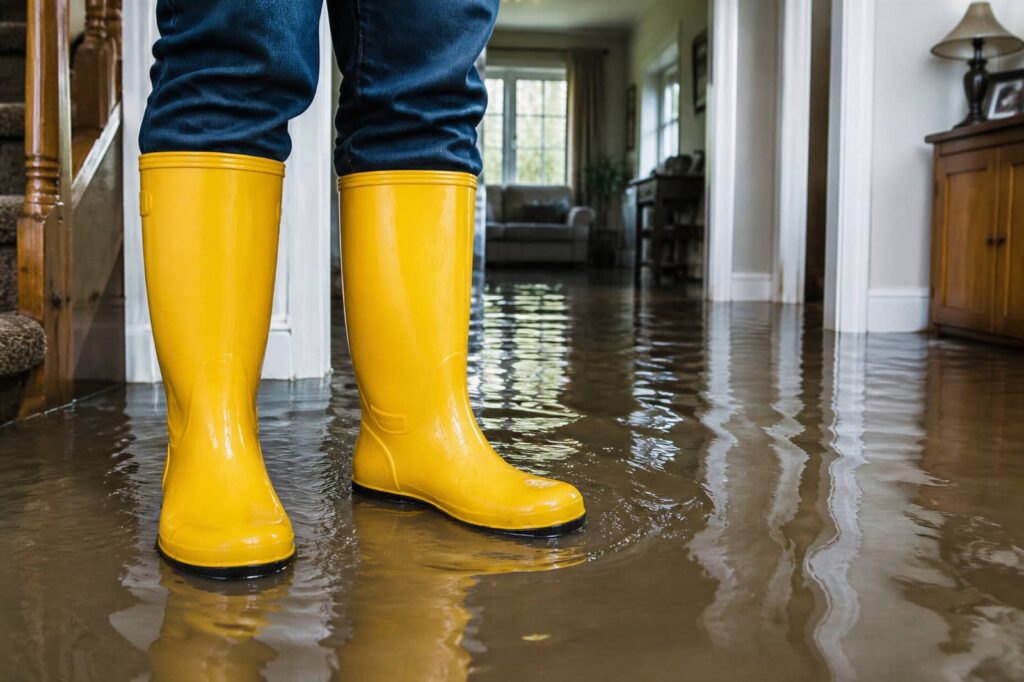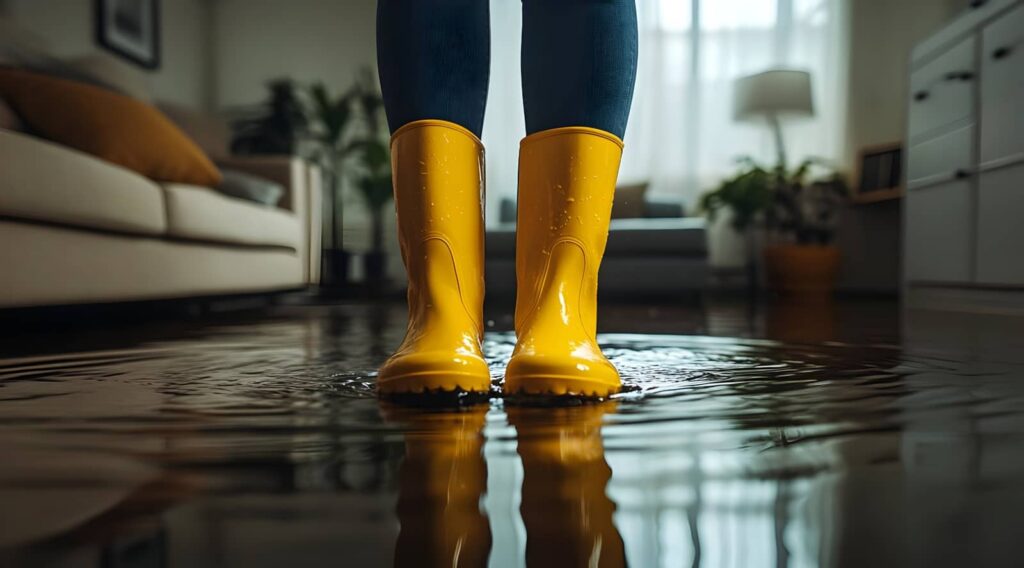
When water damage strikes your home, quick action is essential. Budget-Friendly Water Removal Solutions can include using a wet/dry vacuum for immediate extraction, placing fans to improve airflow, and using a dehumidifier to reduce moisture. You’ll also want to identify and stop the water source, protect undamaged belongings, and monitor affected materials as they dry. For extensive flooding, contaminated water, or moisture trapped behind walls and flooring, professional water removal may be the safer and more effective option.
Key Takeaways
- Use a wet/dry vacuum for immediate water extraction to minimize damage and costs.
- Employ fans and dehumidifiers to enhance drying and prevent mold growth effectively.
- Regularly inspect and maintain drainage systems to prevent future water issues.
- Consider affordable local professionals for efficient and thorough water damage repairs.
- Document damage with photos for insurance claims to minimize out-of-pocket expenses.
Common Causes of Water Damage in Homes
Water damage can strike when you least expect it, often stemming from a variety of common sources in your home.
Leaky roofs can let in rain, while broken pipes may burst unexpectedly, causing havoc. You might also deal with overflowing sinks or appliance malfunctions that lead to unwanted water.
If your basement floods, it can create a perfect storm of humidity problems and mold growth. Weather events, like heavy storms, can exacerbate poor drainage around your property, leading to issues you never saw coming.
Don’t overlook plumbing issues, which can create foundation cracks over time. Being aware of these potential causes helps you stay proactive and protect your home from costly water damage.
Understanding the Importance of Quick Water Removal
Prompt action is key when it comes to water damage. When you notice water pooling in your home, you can’t afford to wait. Quick water removal protects your property and safeguards your health.
Mold and mildew can develop rapidly, leading to costly repairs and potential health issues. An effective emergency response reduces the risk of long-term damage and ensures your home remains a safe haven.
By acting swiftly, you’re not just saving your belongings; you’re also preserving the comfort and safety of your living space. Remember, every moment counts, so gather your tools and tackle that water head-on.
You’ll be glad you did, and your home will thank you for it!
How to Quickly Remove Water After Damage
When you face water damage, acting quickly can make all the difference. Start with effective water extraction methods like using a wet/dry vacuum to remove standing water. If it’s a minor leak, towels and mops can do the trick, but for larger issues, you’ll need something more robust.
Don’t forget to turn off electricity to prevent hazards.
Next, use fans and dehumidifiers to dry out the space and reduce mold risk. Keep windows open for ventilation.
Remember these emergency response tips: document the damage with photos for insurance claims, and if you feel overwhelmed, don’t hesitate to reach out to a professional.
Your home deserves swift action to restore comfort and safety!
Deciding Between DIY and Professional Water Extraction: What to Consider
When faced with water damage, you need to weigh the pros and cons of DIY versus hiring professionals.
Consider the costs, as well as the time and effort involved, along with any potential safety risks.
Making an informed choice can save you money and protect your home.
Cost Comparison Analysis
Deciding between DIY water extraction and hiring a professional can be intimidating, especially when budget constraints come into play.
You’ll want to weigh the cost effectiveness of each option carefully. DIY methods might save you money upfront, but consider the potential costs of mistakes or inadequate results.
On the other hand, professionals bring expertise and specialized equipment, which can be a game-changer in severe situations. A service comparison can help you see the long-term value of hiring someone versus doing it yourself.
Remember, while DIY might seem cheaper, the peace of mind and thoroughness a professional offers could save you more in the end.
Choose what fits your needs and budget best, and you’ll feel more confident in your decision.
Time and Effort
Choosing between DIY water extraction and hiring a professional isn’t just about cost; it also involves evaluating the time and effort required for each option.
First, consider your time management. Do you have the availability to tackle a water extraction project? If you’re juggling work and family, DIY mightn’t be feasible.
Next, think about your effort assessment. Water extraction can be physically demanding and emotionally draining. If you’re not prepared for this, hiring a professional may save you stress.
Remember, while DIY might seem budget-friendly, the time and energy spent can add up.
Ultimately, weigh your priorities—saving money or preserving your peace of mind—before making a decision. Your home deserves the best care, so choose wisely.
Safety and Risks
While tackling water extraction yourself might seem tempting, it’s essential to weigh the safety risks involved.
DIY efforts can expose you to water contamination, putting your health at risk. You also face potential electrical hazards, especially if water has affected outlets or appliances. Ignoring these dangers might lead to mold growth, which can seriously compromise your home’s structural integrity.
Your personal safety should always come first, and if the situation feels overwhelming, it’s wise to call in professionals. They ensure thorough removal and understand the insurance implications, helping you navigate claims effectively.
Ultimately, consider whether saving money is worth the potential risks to your health and home.
Use These Budget-Friendly DIY Techniques for Water Removal
When you’re faced with unwanted water in your home, quick and cost-effective solutions can save the day. Start by using towels or a mop to soak up excess water, which helps prevent mold growth.
Next, consider simple drainage solutions like ensuring gutters are clear and directing downspouts away from your foundation. For a DIY dehumidifier, place bowls of salt in damp areas to absorb moisture.
If you’ve got standing water, create a siphon with a garden hose to remove it efficiently. Finally, after cleanup, keep your space ventilated—open windows or use fans to enhance airflow.
These straightforward techniques tackle water issues and promote long-term mold prevention, keeping your home safe and comfortable.
Gather These Essential Tools for Effective Water Removal
Having the right tools on hand can make all the difference in effectively tackling water removal. When you’re faced with moisture issues, you’ll want to gather these essential water extraction tools to ensure a swift response:
- Wet/Dry Vacuum: This versatile tool is a must-have for sucking up excess water quickly.
- Mop and Bucket: Perfect for those smaller spills, a good mop can help you clean up effectively.
- Dehumidifier: This home maintenance essential helps remove lingering moisture from the air, preventing mold growth.
How to Prevent Future Water Damage
To keep your home safe from future water damage, it’s essential to implement proactive measures that address potential vulnerabilities.
Start by inspecting and maintaining your drainage systems to ensure they’re clear and effective. Clogged gutters can lead to water pooling around your foundation, so clean them regularly.
Next, consider installing moisture barriers in areas prone to dampness, like basements and crawl spaces. These barriers help prevent water seepage and protect your home’s structure.
Additionally, check for cracks in your walls and foundation; sealing these can prevent water intrusion.
Affordable Water Damage Repair Solutions
When water damage strikes, you don’t have to break the bank to fix it.
You can tackle many repairs yourself with some simple DIY techniques, or you might find affordable professional services that won’t stretch your budget.
Let’s explore these options so you can get your home back in shape without overspending.
DIY Repair Techniques
If you’re facing water damage but don’t want to break the bank, there are plenty of DIY repair techniques that can help you tackle the issue effectively.
Here are three practical steps you can take:
- Water Extraction: Use a wet/dry vacuum to remove standing water. Make sure to empty it frequently to keep up with the flow.
- Drying: Place fans and dehumidifiers in the affected area to promote airflow and accelerate drying. This helps prevent mold growth.
- Mold Prevention: After everything is dry, apply a mold-resistant spray to surfaces that were affected.
Regularly check for signs of moisture to catch issues early.
Low-Cost Professional Services
After tackling some DIY repair techniques, you might find that certain situations require a bit more expertise. That’s where low-cost professional services come into play.
Many companies offer affordable options tailored to your budget without sacrificing quality. Start by checking service reviews to see what others in your community recommend. This can guide you to reliable professionals who won’t break the bank.
Look for local businesses that specialize in water damage repair; they often have deals or packages designed for homeowners like you. By choosing a reputable service, you’ll ensure effective repairs and gain peace of mind knowing you’re in capable hands.
Investing in expert help can save you time and future headaches.
Frequently Asked Questions
How Can I Identify Hidden Water Damage in My Home?
To identify hidden water damage, use a moisture assessment tool for water detection. Check behind appliances, under sinks, and in basements for damp spots. Trust your instincts; if something feels off, investigate further.
What Are the Signs of Mold Growth After Water Damage?
You’ll spot signs like musty odors, discoloration, and increased indoor humidity. To prevent mold, keep your space dry and ventilated for a healthier home.
Can Water-Damaged Furniture Be Saved?
Yes, you can save water-damaged furniture using furniture restoration techniques. Act fast, dry it out, and apply protective treatments to prevent further damage. With care, your beloved pieces can regain their former glory.
How Long Does It Take for Water Damage to Show?
Water damage can show within hours, like a thief in the night. Watch for early warning signs: discoloration, musty odors, and warping. Understanding the water damage timeline helps you act fast and protect your home.
What Insurance Covers Water Damage Repairs?
Homeowner policies typically cover sudden water damage, but flood insurance is essential for flood-related incidents. You’ll want to review your policies carefully to ensure you’re adequately protected against unexpected water damage expenses.
Final Thoughts
Tackling water damage doesn’t have to break the bank. With the right tools and techniques, you can effectively manage minor leaks and prevent future issues. Have you considered how regular maintenance can save you from costly repairs down the line? By staying proactive and utilizing budget-friendly solutions, you’re protecting your home today, while ensuring peace of mind for the future. Don’t wait—take action and safeguard your space now!