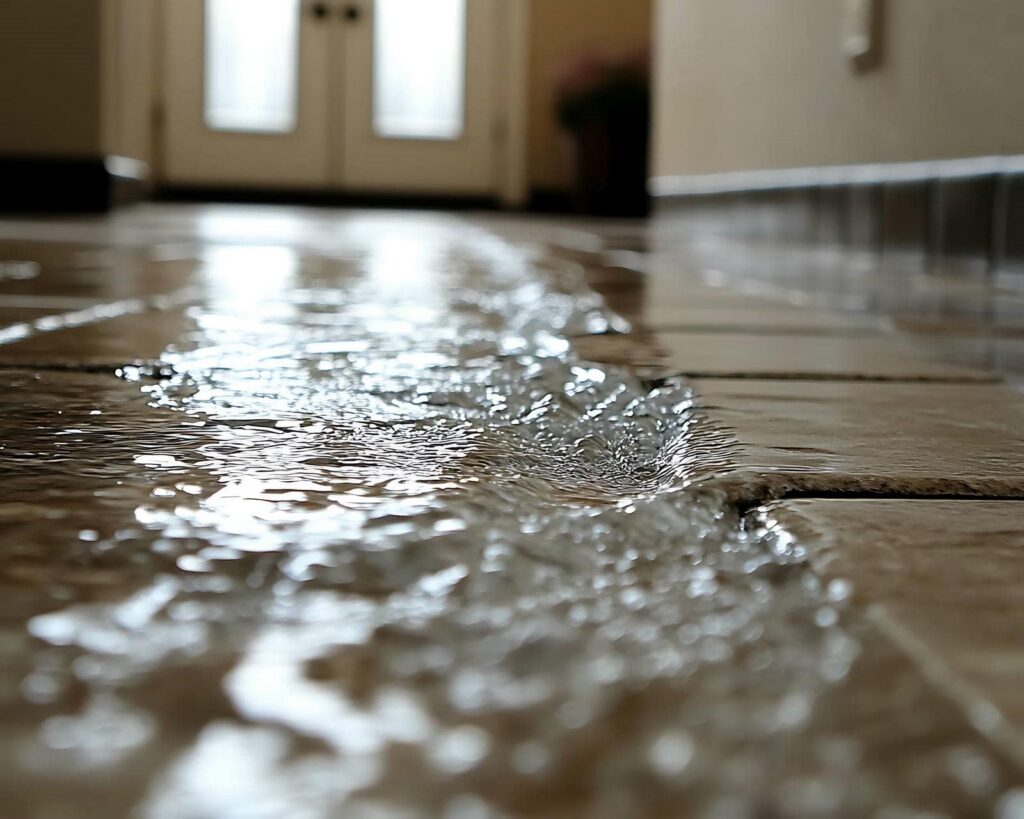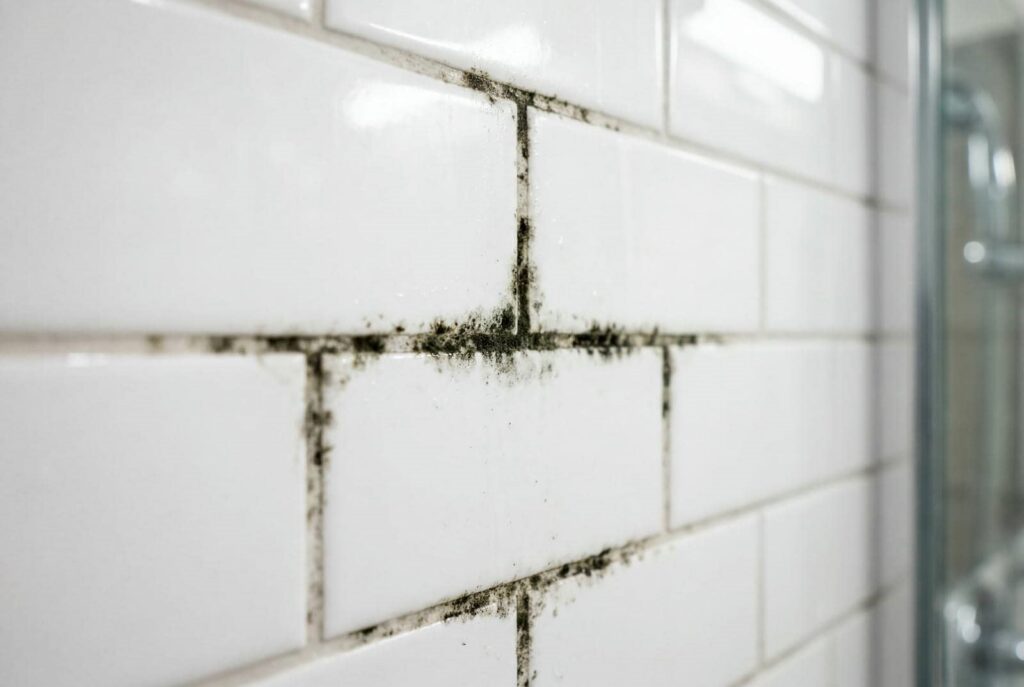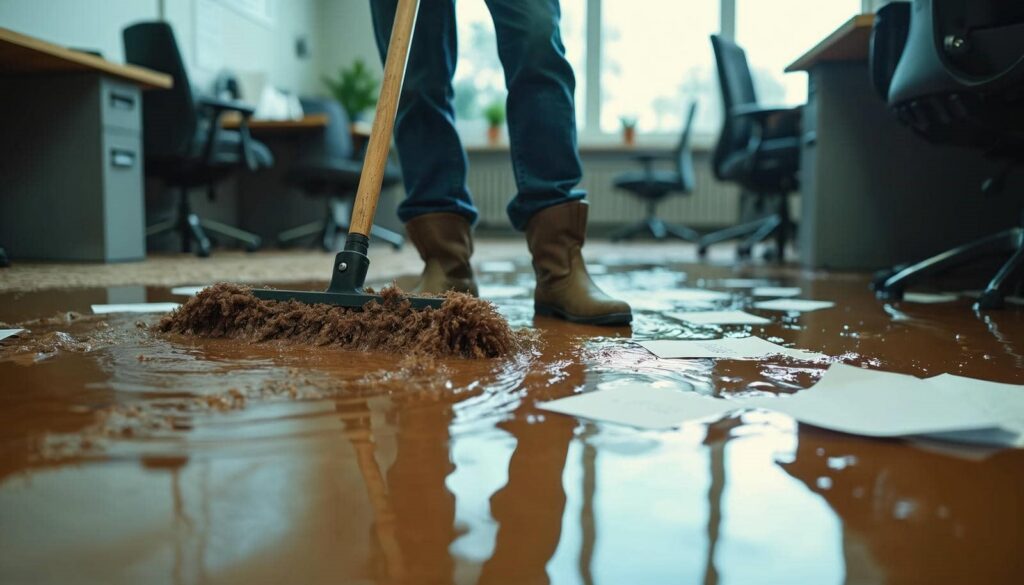
It’s interesting how a simple plumbing issue can lead to extensive water damage in your business. When such incidents occur, swift action is essential. Emergency water extraction techniques not only minimize damage but also protect your employees and customers from health risks like mold. Understanding these methods can be the key to maintaining your operations and safeguarding your assets. What steps can you take to guarantee your business is prepared for such unexpected challenges?
Key Takeaways
- Rapid water removal minimizes damage, preventing costly repairs and preserving structural integrity.
- Emergency extraction enhances operational resilience, allowing businesses to maintain workflow during disruptions.
- Quick response mitigates safety hazards, protecting employees and customers from accidents.
- Effective water extraction safeguards valuable assets, ensuring business investments are protected.
- Implementing emergency techniques supports overall flood preparedness, strengthening business continuity plans.
Common Causes of Water Damage in Commercial Spaces
Water damage in commercial spaces often stems from several common causes, and recognizing these can help you mitigate risks.
Flood sources, such as heavy rainfall or rising water levels, can lead to significant issues. Pipe leaks may go unnoticed, causing extensive damage over time.
Storm damage is another major concern, as high winds and heavy precipitation can compromise your structure. Appliance failures, like malfunctioning water heaters, can contribute to unexpected flooding.
Additionally, humidity buildup can create a conducive environment for mold growth. Sewage backups and roof leaks pose serious health risks, while foundation cracks can worsen structural integrity.
How to Effectively Execute Emergency Water Extraction Techniques
When faced with water damage, your first step is evaluating the severity to determine the best course of action.
Next, you’ll need to choose the right equipment tailored to the specific situation, ensuring efficiency.
Finally, implementing safety protocols protects both you and your team during the extraction process.
Assessing Water Damage Severity
Although it may seem overwhelming, accurately evaluating the severity of water damage is essential for executing effective emergency water extraction techniques.
Start your damage assessment by identifying the source of the water and the extent of the affected area. This initial step helps you prioritize your response.
Next, conduct a thorough moisture evaluation using specialized tools to detect hidden moisture in walls and flooring. Document your findings to create a clear picture of the damage, which aids in decision-making.
Understanding the severity not only guides your extraction efforts but also fosters a sense of control during a chaotic situation.
Choosing Appropriate Equipment
Selecting the right equipment for emergency water extraction can greatly influence the effectiveness of your response.
When facing water damage, understanding equipment types and extraction methods is vital for a swift resolution. Here are three essential items to take into account:
-
Submersible Pumps: Ideal for removing large volumes of water quickly, these pumps help lower the water level efficiently.
-
Wet/Dry Vacuums: Versatile and portable, they’re perfect for smaller areas or residual water, ensuring thorough extraction.
-
Dehumidifiers: After extraction, these devices reduce humidity, preventing mold growth and further damage.
Implementing Safety Protocols
Once you’ve chosen the right equipment for water extraction, prioritizing safety protocols becomes essential. You need to guarantee that your employees are adequately trained in these procedures.
Regular employee training sessions not only build confidence but also foster a strong sense of teamwork. By practicing safety drills, you create a culture of preparedness, making everyone feel valued and secure.
Encourage open communication about safety concerns, allowing team members to voice their thoughts and suggestions. This collaborative approach helps everyone feel like they’re part of the solution.
Remember, effective safety protocols aren’t just about compliance; they’re about creating a safe environment where everyone can thrive, especially during emergencies.
Five Key Benefits of Rapid Water Removal for Businesses
When water intrusion strikes your business, acting quickly can make all the difference in minimizing damage and safeguarding your operations.
Rapid water removal not only protects your physical assets but also supports your overall flood preparedness and business continuity.
Here are five key benefits:
-
Minimized Damage: Quick extraction reduces the risk of structural damage and mold growth.
-
Operational Resilience: Fast response helps maintain workflow, allowing your team to get back to business sooner.
-
Enhanced Safety: Removing water promptly mitigates hazards, ensuring a safe environment for employees and customers.
Choosing the Best Water Extraction Service for Your Needs
How can you guarantee you’re choosing the right water extraction service for your business? Start with a thorough service comparison. Look for companies that specialize in commercial water extraction, as they’ll understand your unique needs.
Next, explore customer reviews; these insights reveal not just quality but also reliability. Pay attention to feedback on response times and professionalism—your business can’t afford delays or subpar service.
Reach out to potential providers and ask about their methods and certifications. An empathetic, informed approach will help you feel confident in your choice.
The Role of Technology in Efficient Water Extraction
As businesses face the challenges of water damage, leveraging advanced technology can greatly enhance the efficiency of extraction processes. By incorporating innovative tools, you can streamline your response and minimize disruption.
Here are three key technological advancements to evaluate:
-
Water Detection Sensors: These devices quickly identify moisture presence, allowing for faster intervention before damage escalates.
-
Moisture Mapping Software: This technology provides a visual representation of affected areas, helping you prioritize extraction efforts effectively.
-
High-Powered Extraction Equipment: Modern machines are designed for rapid water removal, substantially reducing drying time.
Utilizing these technologies not only protects your assets but also fosters a sense of community by ensuring a swift recovery for everyone involved.
Embracing these solutions can transform your approach to emergency water extraction.
Best Practices for Preventing Future Water Damage in Your Business
To protect your business from future water damage, regular maintenance checks are essential.
Ensuring your drainage systems function properly can prevent unnecessary flooding and costly repairs.
Regular Maintenance Checks
-
Inspect Roof and Gutters: Regularly check for leaks, blockages, or damage that could lead to water pooling.
-
Maintain Plumbing Systems: Schedule routine inspections of pipes and connections to catch small issues before they escalate.
-
Test Sump Pumps: Verify your sump pumps are functioning correctly, especially before heavy rain seasons.
Taking these proactive steps not only protects your assets but fosters a culture of care within your business.
This reassures everyone that their environment is safe and secure.
Proper Drainage Systems
Regular maintenance checks lay the groundwork for a solid defense against water damage, but implementing proper drainage systems takes that protection a step further.
By ensuring effective drainage, you control water flow and minimize risks associated with flooding. Start by evaluating existing systems; clear debris from gutters and downspouts to enhance drainage maintenance.
Consider installing drain tiles or French drains to direct water away from your property. Regularly inspect these systems to catch potential issues early.
Additionally, educate your team on recognizing signs of poor drainage, fostering a culture of vigilance.
Frequently Asked Questions
How Quickly Should I Act After Discovering Water Damage?
You should act immediately after discovering water damage. A quick water damage response minimizes further issues and costs. Don’t hesitate—reach out for professional help to protect your space and guarantee safety for everyone involved.
Will My Insurance Cover Emergency Water Extraction Costs?
Your insurance might cover emergency water extraction costs, but it depends on your policy limits. Review your coverage details to guarantee you’re protected, and consider contacting your provider for clarity. You deserve peace of mind.
What Types of Equipment Are Used in Water Extraction?
You’ll typically find equipment like high-powered pumps, industrial vacuums, and dehumidifiers among water removal and extraction tools. These devices work together to efficiently restore your space, ensuring safety and minimizing damage during emergencies.
Can I Handle Water Extraction Myself?
You can attempt DIY water extraction, but it comes with challenges. Professional services guarantee thorough, safe removal, protecting your space and health. It’s wise to contemplate expertise when facing significant water damage for peace of mind.
What Health Risks Are Associated With Standing Water?
Standing water poses serious health risks, including mold growth and disease transmission. You’re not just dealing with a mess; you’re facing potential health hazards that can affect you and those around you. Act quickly.
Conclusion
In the face of water damage, swift action can be your lifeline. By employing emergency water extraction techniques, you’re not just protecting your business; you’re safeguarding the health and safety of your employees and customers. The quicker you respond, the less chaos you’ll face down the line. Remember, a proactive approach today can prevent a tidal wave of problems tomorrow. Investing in these methods is an essential step towards resilience, ensuring your business can weather any storm.