Did you know that delaying water extraction after a flood can greatly worsen damage and lead to mold growth within just 24-48 hours? It’s essential to act quickly and methodically to protect your home and belongings. First, you need to ensure safety and properly assess the flood damage situation. Let’s explore the immediate steps you should take to effectively extract water and prevent further issues.
Key Takeaways
- Remove standing water using buckets or a wet/dry vacuum, ensuring safety from hazards like electrical risks.
- Use sump pumps or submersible pumps for effective extraction in flooded areas.
- Open windows and doors to enhance airflow and promote drying.
- Document damage with photos for insurance claims and to assess the extent of the flooding.
- Seek professional help if flooding is extensive or if mold develops within 24-48 hours.
Immediate Steps After Flooding
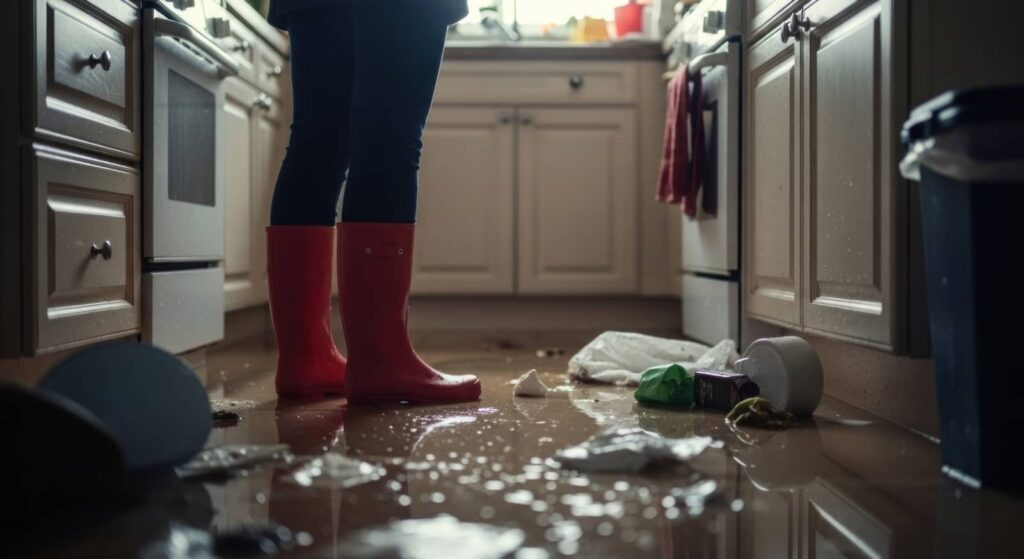
As soon as the floodwaters recede, it’s crucial to act quickly to minimize damage. Start by contacting your emergency contacts to verify everyone’s safe.
Next, document the situation with photos for your insurance claims; this will help you provide accurate information to your insurer. Remove any standing water if it’s safe to do so, using buckets or a wet/dry vacuum.
Open windows and doors to promote airflow and help dry out the affected areas. Remember, you’re not alone in this—reach out to neighbors or local support groups for assistance.
The sooner you take these steps, the better your chances of recovering and restoring your home. Let’s work together to navigate this challenging time.
Assessing Flood Damage
Once the water’s receded, it’s essential to assess the damage.
Start with a visual inspection to identify affected areas, then check the structural integrity of your home.
This step helps you understand the extent of the damage and what needs immediate attention.
Visual Inspection Process
A thorough visual inspection is essential in evaluating flood damage to your property. Start by using effective visual inspection techniques, such as checking walls, floors, and ceilings for discoloration or warping.
Pay attention to the condition of furniture and personal belongings, as these may indicate the extent of damage. Utilize damage assessment criteria, like identifying mold growth or structural issues, to guide your evaluation.
Document everything with photos and notes, ensuring you have a clear record for insurance claims. Remember, this process can be overwhelming, but you’re not alone—support is available.
Taking these initial steps will help you regain control and begin the recovery process, fostering a sense of community and resilience as you move forward.
Identify Affected Areas
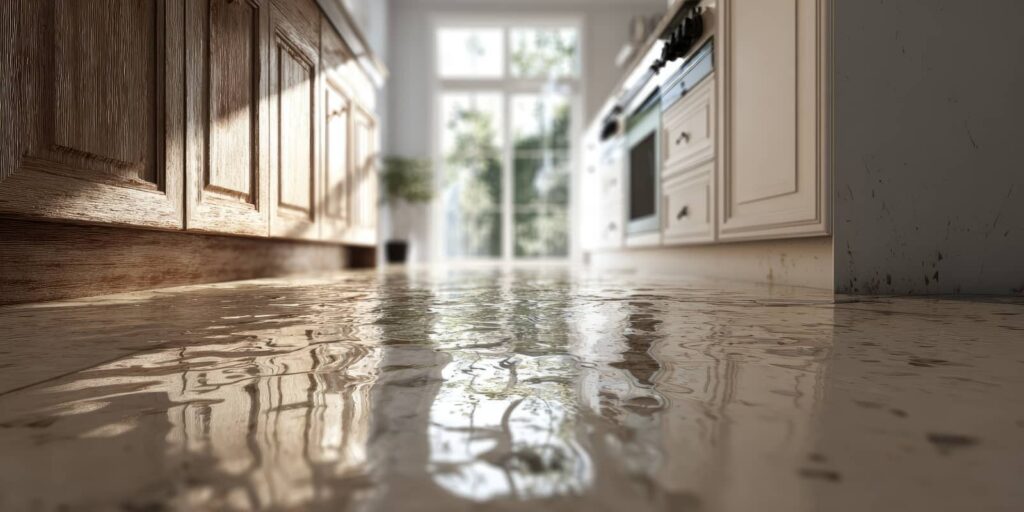
Identifying affected areas is essential for effective flood damage assessment. Start by pinpointing flooded areas in your home or property. Look for visible signs like water stains, warped flooring, or damp walls.
Don’t forget to check less obvious spots, such as basements, crawl spaces, and behind appliances.
Next, conduct a moisture assessment using a moisture meter. This tool helps you identify hidden moisture levels that could lead to mold growth.
Pay special attention to porous materials like drywall and insulation, as they absorb water easily. Remember, addressing these issues promptly can prevent further damage and health risks.
You’re not alone in this; reaching out for help can make the recovery process smoother and more manageable.
Assess Structural Integrity
While addressing flood damage, it’s essential to assess the structural integrity of your home.
Start with a thorough structural evaluation to identify any significant damage. Look for cracks in walls, sagging ceilings, or warped floors—these can indicate serious issues.
Next, conduct a load assessment to ensure your home can safely support its weight after water exposure.
If you notice anything concerning, don’t hesitate to reach out to a professional for help. Remember, your safety and that of your loved ones is the priority.
By taking these steps, you’re not just protecting your home; you’re securing a safe environment for those who matter most to you.
Together, we can restore your space to its former strength.
What to Do Before You Start Water Extraction
Before diving into water extraction, it’s essential to assess the situation carefully. Taking the right steps now can save you time and stress later.
Use this preparation checklist to guide you:
- Check for hazards: Look for electrical risks and unstable structures.
- Gather supplies: Collect necessary tools and materials for extraction.
- Wear protective gear: Confirm you’re equipped with gloves, boots, and masks.
- Document damage: Take photos for insurance claims before starting any work.
Essential Tools for Water Removal
When it comes to removing water after a flood, having the right tools is essential.
You’ll need a mix of pumping equipment and manual water removal tools to tackle the job effectively.
Let’s explore your options so you can get started on the path to recovery.
Pumping Equipment Options
After a flood, having the right pumping equipment can make all the difference in expediting water removal from your property. Here are some essential tools to take into account:
- Sump Pumps: Ideal for removing standing water from basements.
- Submersible Pumps: Perfect for deeper flooding situations.
- Water Vacuums: Great for picking up water from carpets and hard floors.
- High Capacity Pumps: Best for large volumes of water quickly.
Don’t forget to have portable generators on hand to power your equipment, and extraction hoses to efficiently direct water away.
Setting up drainage systems and flood barriers can also help mitigate future issues.
Choosing the right tools ensures you can reclaim your space swiftly and safely.
Manual Water Removal Tools
While pumping equipment is essential for major water removal, manual tools are equally important for tackling smaller areas and finishing touches.
You’ll want to equip yourself with a variety of manual pumps, such as hand pumps and portable extractors, to efficiently clear residual water. Water vacuums and wet dry vacuums are great for deeper extraction, while extraction wands and suction attachments help reach tight spots.
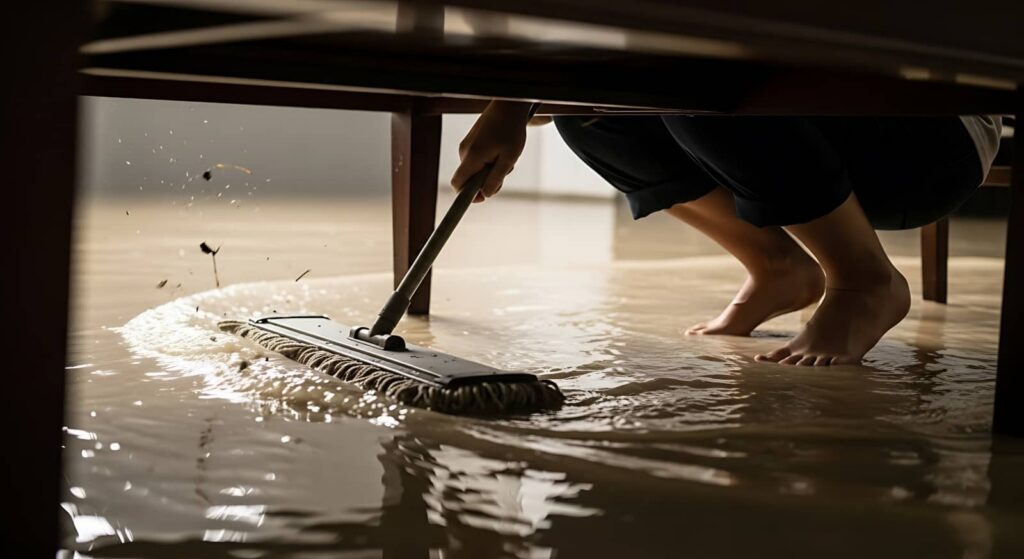
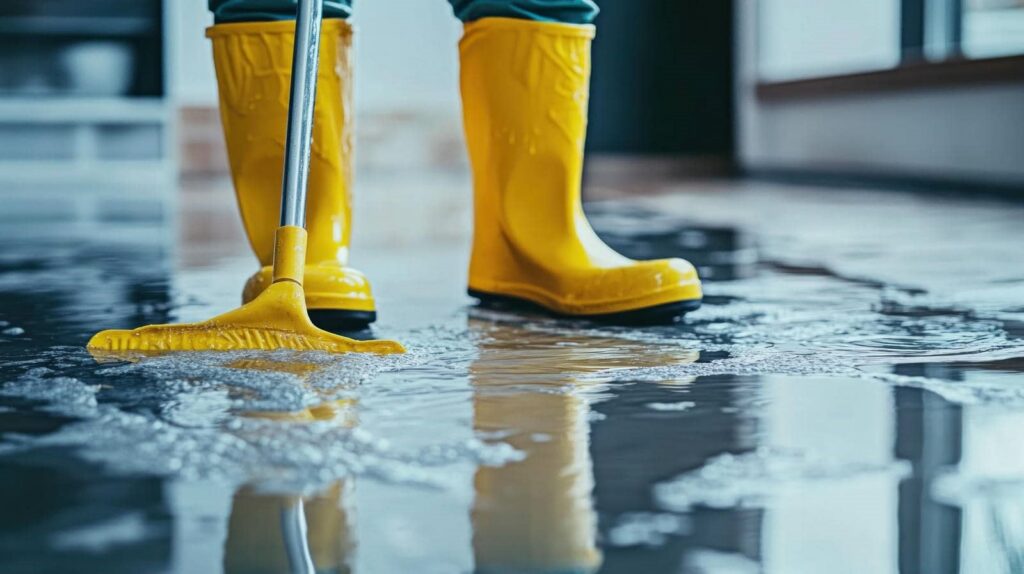
Don’t forget squeegee tools for pushing out water and mop buckets for quick clean-ups. Drainage hoses can help direct water away from your home.
Using the Right Tools for Water Removal
Flood damage can leave your home feeling overwhelming, but having the right tools makes the water removal process much easier.
You’ll want to focus on effective water extraction techniques and gather essential equipment to tackle the job efficiently. Here are some must-have tools:
- Wet/dry vacuum: Ideal for sucking up standing water.
- Submersible pump: Great for larger volumes of water.
- Mops and buckets: Useful for smaller areas and finishing touches.
- Dehumidifier: Helps speed up the drying process.
Using these tools will help you manage the situation and protect your home.
How to Dry and Dehumidify Flooded Areas
To effectively dry and dehumidify flooded areas, start by opening windows and doors to promote airflow.
Next, consider your dehumidifier selection; opt for a model that suits the size of the space. Place it in the most affected area and run it continuously.
Employ drying techniques like using fans to circulate air and speed up evaporation. If possible, elevate furniture to minimize damage and allow air to flow underneath.
Regularly check moisture levels with a hygrometer to ensure effectiveness. Stay vigilant for any remaining dampness, as thorough drying is essential.
How to Identify and Remove Mold After Flooding?
After flooding, it’s vital to watch for signs of mold growth, like musty odors or discoloration on walls and ceilings.
Identifying these issues early can prevent more serious health risks.
Once you spot mold, effective removal techniques are essential to restore your space safely.
Signs of Mold Growth
Once water has infiltrated your home, it’s essential to be vigilant for signs of mold growth, as it can develop within 24 to 48 hours. Identifying mold early can help protect your family and home.
Look for these warning signs:
- A musty odor that wasn’t there before
- Discoloration or dark spots on walls and ceilings
- Peeling or bubbling paint and wallpaper
- Increased allergy symptoms among family members
Different mold types can pose varying health risks, so understanding what to look for is vital.
Implementing prevention strategies, like keeping humidity levels low and ensuring proper ventilation, can help you stay ahead of mold issues.
Effective Removal Techniques
If you’ve noticed signs of mold growth after flooding, taking swift action is essential. Start by using suction techniques to remove any standing water, which helps prevent further mold development. Use a wet/dry vacuum for best results.
Next, implement effective drainage solutions to ensure the area stays dry. After that, ventilate the space by opening windows and using fans; this helps reduce humidity levels.
For visible mold, scrub surfaces with a mixture of detergent and water or a specialized mold remover. Always wear protective gear, including gloves and masks, to keep yourself safe.
When to Call in Professionals for Flood Recovery
Knowing when to call in professionals for flood recovery can make a significant difference in minimizing damage and ensuring safety. Here are some key indicators that it’s time to reach out for professional services:
- You’ve experienced extensive flooding that exceeds a few inches.
- Mold starts to develop within 24-48 hours.
- You’re unsure about the structural integrity of your home.
- You feel overwhelmed or unsafe handling the situation alone.
Taking swift action can prevent further damage and health risks.
Professional services are equipped with the right tools and expertise to handle complex situations effectively.
Avoiding Common Extraction Mistakes
Extracting water after a flood is a crucial step, but it’s easy to make mistakes that can lead to further damage. One common pitfall is rushing the water extraction process.
Take your time to choose effective water extraction techniques, like using a pump or wet vac, rather than relying on towels, which won’t do the job.
Also, avoid ignoring hidden areas, such as behind walls or under floors; standing water can cause mold growth.
Remember to wear protective gear, as floodwater can be contaminated.
Finally, don’t forget to ensure proper ventilation while drying your space.
Preventing Future Flood Damage
After you’ve tackled water extraction, it’s time to think about how to prevent future flood damage.
Implementing flood prevention strategies can make a significant difference. Here are some effective steps you can take:
- Elevate your home: Consider raising the foundation or using flood vents.
- Install drainage systems: Ensure proper grading and gutters to redirect water.
- Use landscape modifications: Create berms or swales to manage water flow.
- Maintain vegetation: Plant trees and shrubs to absorb excess water.
Frequently Asked Questions
How Long Does It Take to Fully Dry Flood-Damaged Areas?
It usually takes several days to weeks to fully dry flood-damaged areas. By using effective drying techniques and regular moisture monitoring, you can ensure a quicker recovery and create a safer, healthier environment for everyone.
Can I Use Regular Household Fans for Drying?
Yes, you can use regular household fans for drying, but their fan efficiency might not match specialized equipment. Combining various drying techniques can enhance the process, helping you restore your space more effectively and swiftly.
What Health Risks Are Associated With Floodwater Exposure?
Floodwater contamination poses serious health risks like infections and gastrointestinal issues. You should take health precautions, such as wearing protective gear and avoiding contact, to keep yourself and your loved ones safe during cleanup efforts.
How Can I Salvage Soaked Personal Belongings?
Oh, you’ve just embraced the luxury of a waterlogged lifestyle! To salvage your soaked treasures, employ restoration techniques like air-drying and dehumidifying. Don’t forget to use drying methods that suit each item’s material.
Is Flood Insurance Necessary for Recovery Efforts?
Yes, flood insurance is essential for recovery efforts. It covers damage and helps you replace lost belongings, easing the financial burden during the recovery process. Without it, you might struggle to rebuild effectively.
Review
In the aftermath of flooding, you can’t afford to dawdle—water can transform your home into a swamp in no time! By swiftly extracting water and tackling mold, you’re not just salvaging your space; you’re reclaiming your sanctuary from the clutches of disaster. Remember, each moment counts! Don’t hesitate to call in the pros when needed. With the right action, you can turn your soggy nightmare into a story of resilience and recovery.