Water damage can lead to serious mold issues if not handled correctly. You need to act fast and follow a few key strategies to prevent mold growth in your home. From evaluating the damage promptly to ensuring proper ventilation, each step plays an essential role. Curious about the most effective methods to safeguard your space? Let’s explore the top five tips for mold prevention after water damage.
Key Takeaways
- Identify and eliminate the water source quickly to prevent mold growth from persisting.
- Dry affected areas within 24 to 48 hours using fans and dehumidifiers.
- Use mold-resistant materials, such as paints and drywall, during repairs.
- Maintain indoor humidity levels between 30-60% to deter mold development.
- Conduct regular inspections of moisture-prone areas to catch mold early.
How to Assess Water Damage Effectively
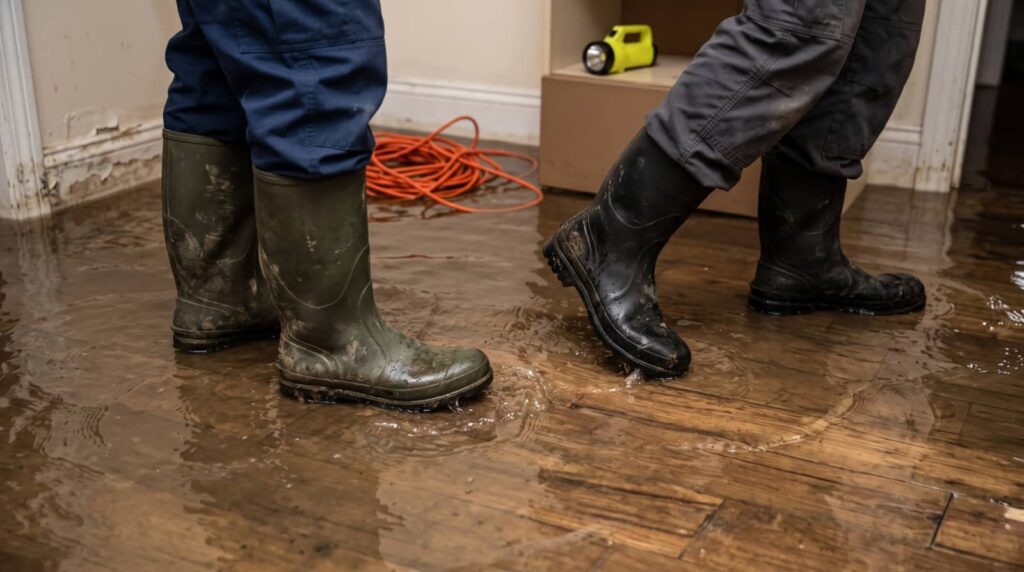
When you suspect water damage, it’s essential to act quickly to prevent mold growth. Start by identifying the water source—whether it’s a leaky roof, burst pipe, or flooding.
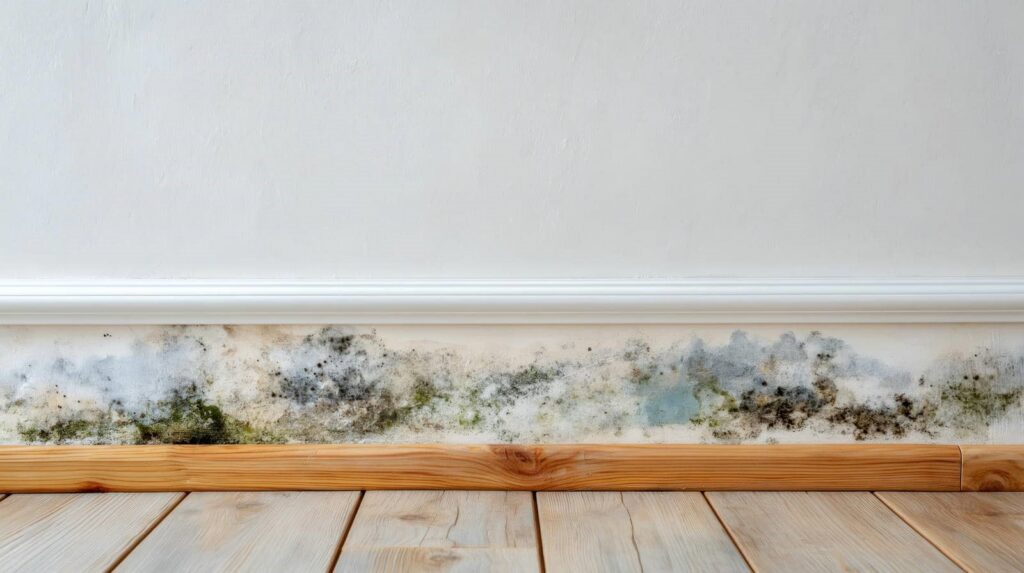
Once you pinpoint the source, assess the damage extent. Check walls, floors, and any furniture in the affected area. Look for discoloration, warping, or a musty smell, which can indicate hidden moisture.
Use a moisture meter if available to measure the dampness in materials. Document your findings with photos for insurance purposes.
If the damage is severe, consider consulting a professional for a thorough evaluation. By understanding the water source and damage extent, you can take informed steps toward effective mold prevention and restore your space.
Why Timely Drying Is Crucial
Timely drying is essential because the longer moisture lingers, the higher the risk of mold development.
When you experience water damage, immediate action is vital. Efficient water extraction removes standing water and minimizes dampness in surrounding materials, preventing mold growth.
You should aim to dry affected areas within 24 to 48 hours. This timeframe is significant; even small amounts of moisture can lead to substantial problems later on.
Use fans, dehumidifiers, and open windows to enhance air circulation.
Remember, mold thrives in humid environments, so staying proactive with drying can save you from costly repairs and health issues down the line.
Prioritize timely drying to protect your home and well-being.
Select Effective Mold-Resistant Products for Repairs
Choosing mold-resistant products for repairs can greatly reduce the risk of future infestations. Start by selecting mold-resistant paints for your walls and ceilings; these paints contain additives that inhibit mold growth.
When applying them, confirm you use proper sealing techniques around windows, doors, and joints to prevent moisture from seeping in. Pay attention to materials like drywall and insulation; opt for those specifically designed to resist mold.
Additionally, consider using mold-resistant caulk in areas prone to moisture, such as kitchens and bathrooms. By making these informed choices, you protect your home and create a safer, healthier environment for everyone inside.
Investing in quality products now can save you from costly repairs later.
Keep Your Home Well-Ventilated and Humidity in Check
To effectively combat mold growth, keeping your home well-ventilated and maintaining humidity levels is essential. Good air circulation helps reduce moisture, creating an environment less conducive to mold.
Here are three key strategies for moisture control:
Open Windows: Whenever the weather permits, let fresh air flow through your home to enhance air circulation.
Use Exhaust Fans: Install exhaust fans in high-moisture areas like kitchens and bathrooms to quickly remove humid air.
Dehumidifiers: Invest in a dehumidifier to maintain indoor humidity levels between 30-60%, which is ideal for preventing mold.
Inspect Regularly for Mold Growth
While you might think mold is only a concern in damp, hidden corners, regularly inspecting your home can catch potential growth before it becomes a larger problem.
Use effective mold detection techniques like visual checks and moisture meters to identify trouble spots. Look for early warning signs such as discoloration on walls, a musty odor, or condensation on windows.
Don’t forget to inspect areas prone to moisture, like basements and bathrooms. Make it a habit to check these spaces monthly, especially after heavy rains or leaks.
Frequently Asked Questions
How Long Does It Take for Mold to Grow After Water Damage?
Mold can start growing within 24 to 48 hours after water damage, depending on factors like humidity, temperature, and materials involved. Act quickly to minimize the mold growth timeline and protect your space.
What Are the Signs of Hidden Mold Growth?
You might notice musty odors or dark spots behind walls. Pay attention to water stains and peeling paint. These hidden mold indicators signal trouble. Employ mold detection techniques to uncover what’s lurking in your spaces.
Can I Remove Mold Myself, or Should I Hire a Professional?
You can remove mold yourself using effective mold removal techniques, but prioritize DIY safety. If the infestation is extensive, hiring a professional ensures thorough removal and protects your health, fostering a safer living environment.
Are There Specific Materials That Are More Prone to Mold?
Yes, materials like wood, drywall, and carpet are more prone to mold. Opt for mold-resistant materials and prioritize moisture control to minimize risks, ensuring a safer, healthier environment for you and your loved ones.
How Does Indoor Air Quality Affect Mold Growth?
Indoor air quality can ironically encourage mold growth if you ignore humidity control and ventilation improvement. Poor airflow traps moisture, creating a perfect breeding ground. Keep your space fresh, and you’ll feel more at home.
Recap
By following these five essential tips, you can create a welcoming environment free from pesky mold. Addressing water damage swiftly, drying efficiently, and choosing mold-resistant materials will ensure your home remains a safe haven. Plus, maintaining good ventilation and conducting regular inspections will keep mold at bay. Embrace these proactive measures, and you’ll protect your space while enjoying peace of mind, knowing you’ve taken the right steps to safeguard your home from unwanted guests.