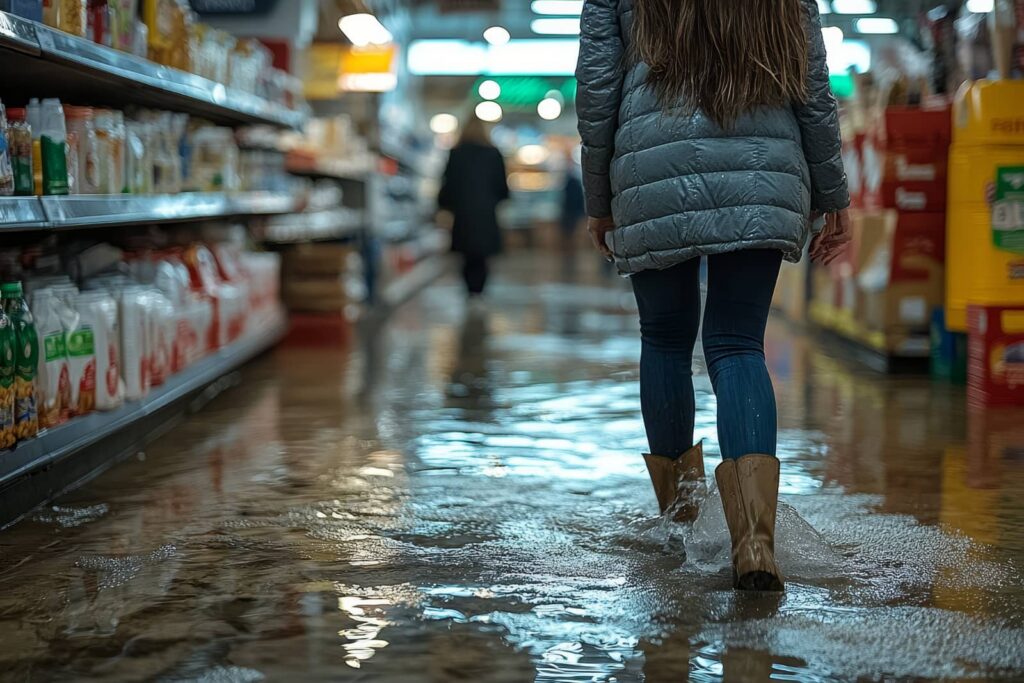
Imagine a local retail store flooded after a heavy rainstorm, leaving inventory and infrastructure at risk. You need to act quickly and efficiently to minimize damage and ensure a safe environment for employees and customers. Understanding the best strategies for emergency flood cleanup can mean the difference between a swift recovery and prolonged disruption. Let’s explore essential tactics that can help your business bounce back effectively.
Key Takeaways
- Prioritize safety by ensuring all personnel are accounted for and following established protocols during the cleanup process.
- Implement immediate water removal using high-capacity and submersible pumps to minimize damage effectively.
- Thoroughly document damage and assess structural integrity to inform restoration decisions.
- Remove contaminated materials promptly and sanitize all affected surfaces to prevent health risks.
- Develop a comprehensive recovery plan, emphasizing moisture control and preventive measures against future flooding.
Step-By-Step Damage Assessment for Flood Cleanup
When a flood hits your business, evaluating the damage quickly is essential to minimizing losses and facilitating a swift recovery.
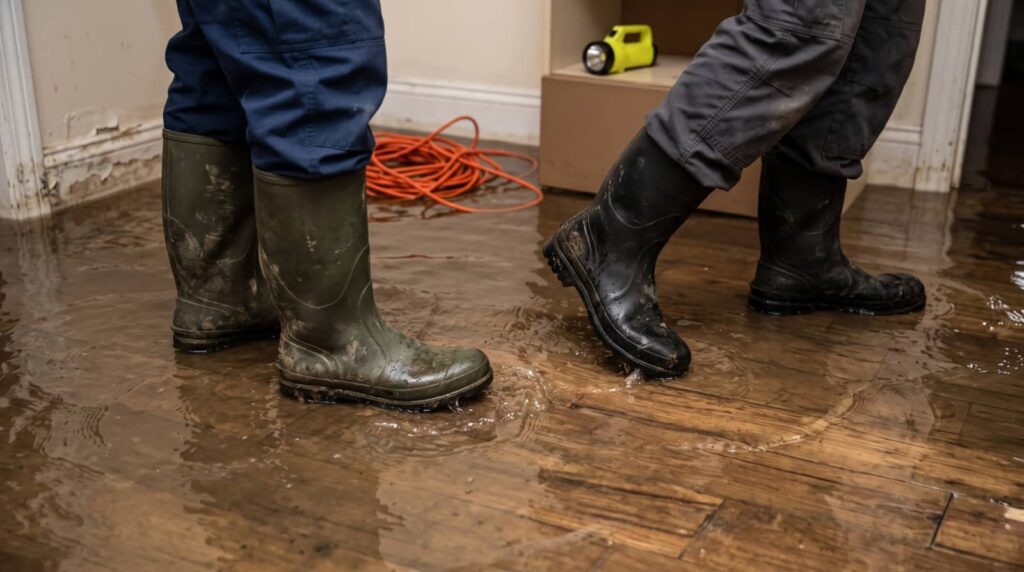
Start by prioritizing safety protocols: make sure everyone’s safe and avoid entering flooded areas without proper gear.
Next, document the damage thoroughly—take photos and notes for insurance claims and future reference.
Check structural integrity; look for signs of weakening in walls and ceilings.
Assess inventory and equipment, noting what’s salvageable and what’s not. This damage evaluation helps you make informed decisions about restoration efforts.
Finally, communicate with your team about the next steps, fostering a sense of belonging and shared responsibility.
Immediate Water Removal Techniques for Effective Cleanup
After evaluating the damage, immediate water removal is essential for effective cleanup. Start with water extraction using a high-capacity pump to remove standing water quickly.
Make sure you’ve got the right equipment; submersible pumps work well for deeper water, while wet vacuums are ideal for smaller areas.
Once you’ve removed the bulk of the water, focus on moisture control. Use dehumidifiers to lower humidity levels, preventing mold growth and further damage.
Open windows and doors to enhance air circulation. If possible, create a drying plan tailored to your space, prioritizing high-risk areas.
How to Sanitize Your Business After a Flood?
To effectively sanitize your business after a flood, you must act swiftly and methodically. Flood contamination can pose serious health risks, so prioritizing sanitation is essential.
Here’s how to get started:
- Gather necessary sanitation supplies (bleach, gloves, masks).
- Remove all contaminated materials (carpets, drywall) immediately.
- Clean and disinfect surfaces using a reliable solution.
- Allow areas to dry thoroughly to prevent mold growth.
Frequently Asked Questions
What Insurance Coverage Is Needed for Flood Damage?
You need specific flood insurance types, like National Flood Insurance Program (NFIP) or private policies, to cover flood damage. Make sure you understand coverage limits, as they vary and directly impact your financial protection during disasters.
How Can I Prevent Future Flooding in My Business?
To prevent future flooding, invest in efficient drainage systems, install water barriers, enhance landscaping solutions, and stick to regular maintenance schedules for maximum protection.
Should I Hire Professionals or DIY Flood Cleanup?
You should hire professionals for flood cleanup. DIY challenges can lead to inadequate results and further damage. Experts ensure efficient removal and restoration, helping you return to business quickly and effectively, minimizing stress and losses.
What Are the Health Risks Associated With Floodwaters?
Floodwater contaminants pose serious health risks, including bacteria, chemicals, and viruses. You should take health precautions like wearing protective gear and avoiding contact with floodwater to safeguard your well-being and that of others around you.
How Long Does Flood Cleanup Typically Take?
Flood cleanup duration varies, but you can expect it to take several days to weeks. Efficient flood response, including quick assessment and proper equipment, greatly shortens this time, helping your community recover faster.
Wrap-Up
Effective flood cleanup can make or break your business’s recovery. By prioritizing immediate water removal, conducting thorough damage assessments, and implementing sanitation measures, you can greatly reduce long-term impacts. Taking these steps protects your assets and ensures a healthier environment for your employees and customers, paving the way for a smoother return to normalcy.