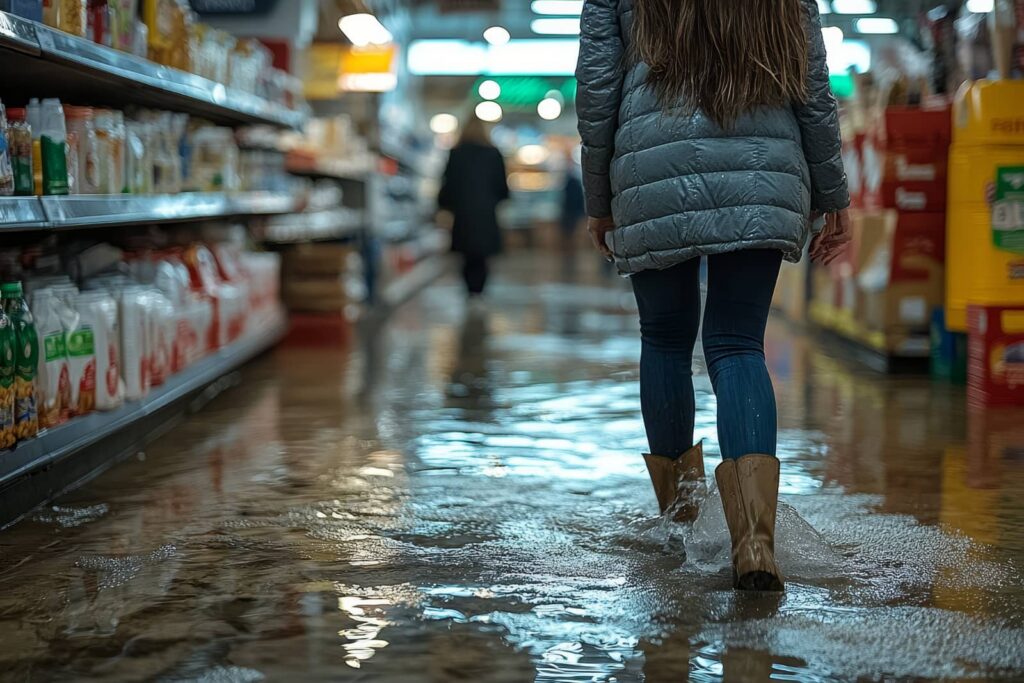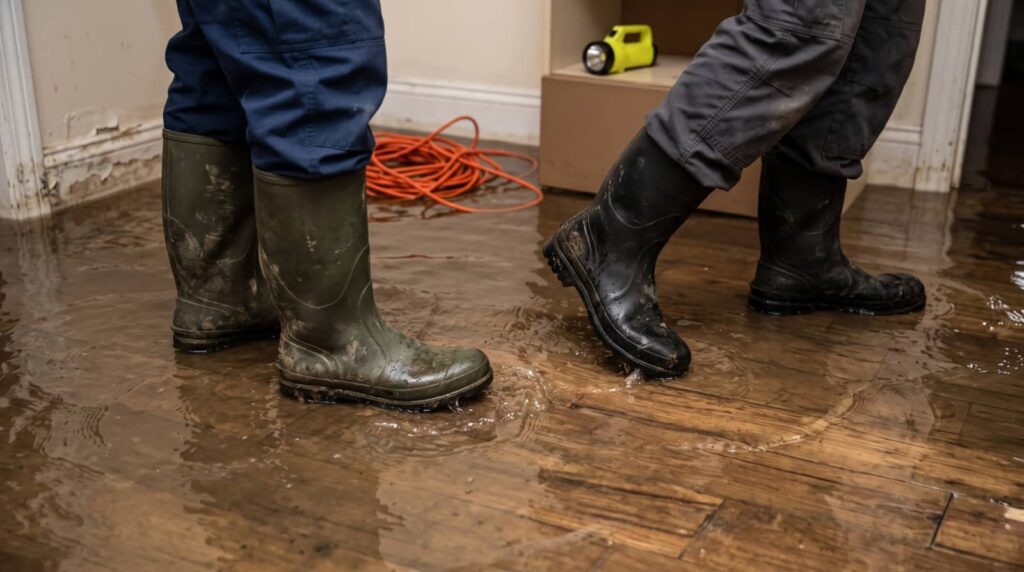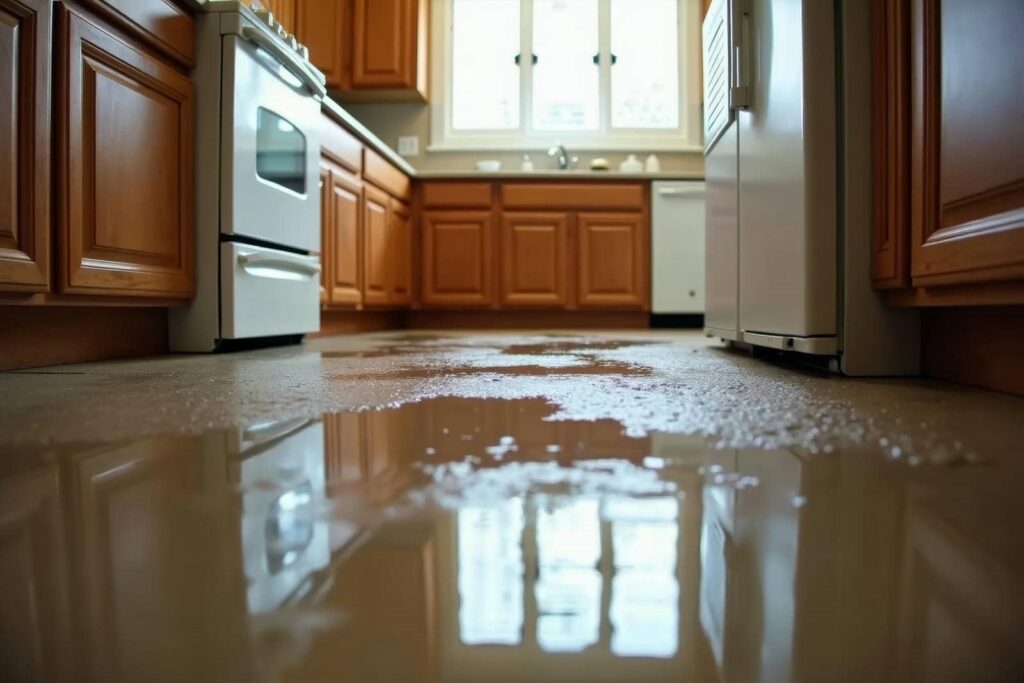
Many property owners underestimate the complexity of effectively repairing water damage, often leading to recurring issues. It is crucial to methodically assess the extent of the damage before taking action. By understanding the necessary steps—from ensuring proper ventilation to implementing effective water barriers—you can greatly reduce the risk of future problems. Discovering how to properly document and maintain these repairs can make all the difference in safeguarding your property long-term.
Key Takeaways
- Identify and address the source of water damage promptly to prevent recurrence and further deterioration of materials.
- Utilize high-velocity air movers and dehumidifiers to ensure thorough drying of all affected areas, maintaining humidity below 60%.
- Remove and replace all porous materials, such as drywall and insulation, to eliminate mold growth risks and promote a healthy environment.
- Implement waterproof barriers and drainage systems in vulnerable areas to prevent future water infiltration and manage excess moisture effectively.
- Maintain detailed documentation and conduct regular inspections to monitor for potential issues, ensuring long-term protection against water damage.
Assessing the Extent of Water Damage
When you encounter water damage, evaluating its extent is essential for effective repair. Start with water source identification; locate the origin of the leak to prevent further issues. This could be a burst pipe, roof leak, or even a malfunctioning appliance.
Once you’ve identified the source, employ damage assessment techniques to gauge the severity. Use moisture meters to measure humidity levels in affected materials and infrared cameras to detect hidden moisture behind walls or beneath flooring.
Document your findings meticulously, noting areas of saturation and structural integrity. This systematic approach facilitates accurate repairs and helps you communicate effectively with insurance providers and contractors.
Ensuring Proper Ventilation and Drying
To effectively mitigate water damage, ensuring proper ventilation and drying is essential. Begin by evaluating your space and identifying areas where airflow is restricted. Implementing adequate ventilation systems, such as exhaust fans and dehumidifiers, will facilitate air circulation, helping to reduce humidity levels. This is vital, as stagnant moisture can lead to mold growth and further structural damage.
Next, deploy drying equipment strategically throughout the affected area. High-velocity air movers and industrial-grade dehumidifiers work together to extract moisture from surfaces and the air.
Position air movers to direct airflow towards damp surfaces, ensuring thorough drying. Monitor the humidity and moisture levels regularly using hygrometers to confirm progress. Maintaining a consistent drying process for at least 48 hours is key to achieving effective results.
Removing Affected Materials
Once proper ventilation and drying are in place, the next step involves removing affected materials to prevent further damage and contamination.
Start by identifying all areas where water has infiltrated, including drywall, insulation, and flooring. Employ effective removal techniques, such as cutting out damaged sections of drywall or pulling up soaked carpet. It’s essential to use sharp tools and wear protective gear to ensure your safety during this process.
For porous materials like insulation, complete removal is necessary, as they can harbor moisture and promote mold growth.
Document each step for future reference, as it helps maintain transparency in the repair process. After removing the affected materials, make sure you dispose of them properly to avoid cross-contamination.
Addressing these issues promptly safeguards your property and fosters a sense of community by helping you tackle water damage together.
Treating for Mold and Mildew
Mold and mildew can begin to develop within 24 to 48 hours after water exposure, making prompt treatment essential. Start by thoroughly drying the affected area using dehumidifiers and fans, keeping humidity levels below 60%. This step is important for effective mold prevention.
Next, use a mixture of water and detergent to scrub surfaces, ensuring you reach all corners and crevices where spores may hide. For stubborn growth, consider a solution of one cup of bleach to a gallon of water, but always wear protective gear.
After cleaning, apply a mold-resistant primer or paint to surfaces, enhancing mildew resistance and preventing future outbreaks.
Regularly inspect your home for signs of moisture or leaks and maintain ventilation to support ongoing mold prevention efforts. By following these steps, you address existing issues and foster a healthier living environment for you and your loved ones.
Repairing Structural Damage
To address structural damage from water exposure, you first need to assess the extent of the damage thoroughly.
Once you identify the compromised areas, you can reinforce these structures to restore their integrity.
Additionally, implementing preventive measures will help mitigate future issues and ensure long-lasting stability.
Assessing Damage Extent
When evaluating the extent of water damage, it’s essential to start by inspecting structural elements such as beams, walls, and flooring.
Identify water sources that may have contributed to the damage, like leaks or flooding. Conduct a thorough damage evaluation to determine the severity and impact on structural integrity.
Look for signs of warping, mold growth, or discoloration, as these can indicate deeper issues. Document your findings meticulously, noting specific areas of concern.
Remember, early detection can prevent further deterioration and costly repairs down the line. Engage with professionals if the damage seems extensive, ensuring you’re not alone in this process.
Reinforcing Compromised Structures
As you begin to reinforce compromised structures, it’s crucial to prioritize the identification of weak points in the framework.
Start by evaluating load distribution; this will help you understand how weight is currently supported and where deficiencies lie. Once you’ve pinpointed these areas, implement material reinforcement techniques. Use steel beams or carbon fiber strips to enhance strength in critical spots.
Verify that any new materials you choose integrate seamlessly with existing structures to provide consistent support. Additionally, consider employing techniques like bracing or underpinning where necessary.
Preventing Future Issues
Reinforcing compromised structures lays the groundwork for preventing future issues related to water damage.
By implementing effective moisture control measures and advanced waterproofing methods, you can considerably enhance your property’s resilience.
Here are four key steps to take:
Inspect gutters and downspouts regularly to ensure proper drainage.
Seal cracks and gaps in your foundation and walls to block water ingress.
Install vapor barriers in basements and crawl spaces to control humidity levels.
Use high-quality waterproofing products on exterior surfaces to repel water.
Implementing Effective Water Barriers
Effective water barriers are essential for preventing long-term damage in structures exposed to moisture. To achieve this, you should consider installing waterproof membranes in critical areas like basements and foundations. These membranes act as a shield, preventing water infiltration and protecting structural integrity.
It’s imperative to ensure proper installation, as even small gaps can lead to significant issues over time.
Additionally, integrating drainage systems is essential for managing excess water. Properly designed drainage directs water away from your structure, reducing hydrostatic pressure and minimizing the risk of leaks.
Regular maintenance of these systems ensures they function at their best, preventing potential blockages that could lead to water accumulation.
Utilizing Advanced Drying Techniques
After implementing robust water barriers and drainage systems, the next step in addressing water damage is employing advanced drying techniques.
These methods ensure that moisture levels return to normal, minimizing long-term damage.
Consider these four advanced drying techniques:
Advanced Dehumidification Methods: Use high-capacity dehumidifiers to efficiently remove moisture from the air, preventing mold growth.
Innovative Moisture Detection: Utilize moisture meters and thermal imaging to identify hidden water pockets that need attention.
Air Movement Equipment: Employ fans and air movers to create airflow, promoting evaporation and accelerating the drying process.
Controlled Drying Environments: Maintain ideal temperature and humidity levels to enhance the effectiveness of drying efforts.
Conducting Regular Maintenance Checks
While water damage repair techniques are essential, conducting regular maintenance checks ensures your property remains protected from future issues.
You should establish a schedule for routine inspections, ideally every season, to catch potential problems early. During these checks, focus on areas prone to moisture, such as basements, roofs, and plumbing fixtures. Look for signs of leaks, mold, or wear that could lead to water damage.
Implementing preventive measures, like cleaning gutters and ensuring proper drainage, can also mitigate risks. Don’t overlook appliances that use water; inspect hoses and connections for wear.
Additionally, consider investing in moisture sensors to provide alerts for any water intrusion. By prioritizing these maintenance practices, you’ll safeguard your property and foster a sense of belonging within your community, as a well-maintained home contributes to overall neighborhood well-being.
Documenting the Restoration Process
Documenting the restoration process is essential for effective long-term water damage repair.
You need to maintain detailed records of each step taken, as these can serve as vital references for future repairs and insurance claims.
Additionally, employing visual evidence collection techniques, such as photographs and videos, strengthens your documentation and provides clear proof of the restoration work completed.
Importance of Detailed Records
Maintaining detailed records throughout the water damage restoration process is essential, as it ensures a systematic approach to recovery and accountability.
By documenting every aspect of the restoration, you create a robust repair history that can aid future efforts. Here are four key reasons to keep thorough records:
Track Progress: Detailed documentation allows you to monitor the effectiveness of the restoration efforts over time.
Insurance Claims: Accurate records help assure you’re prepared for insurance claims, providing necessary proof of damage and repairs.
Future References: A complete repair history assists in addressing potential issues that may arise later.
Quality Control: Documenting the process promotes accountability among all parties involved, assuring standards are met.
Visual Evidence Collection Techniques
Thorough documentation of the water damage restoration process extends beyond written records; visual evidence plays a pivotal role in capturing the extent of damage and the effectiveness of repairs.
To ensure thorough photo documentation, start by taking clear, well-lit images of the affected areas before, during, and after restoration. Use a consistent angle for each shot to facilitate comparison. Additionally, label each photo with dates and descriptions to enhance evidence preservation.
Consider using video recordings to capture dynamic changes and highlight specific issues. This visual evidence supports insurance claims and serves as a valuable resource for future reference.
Frequently Asked Questions
How Can I Prevent Future Water Damage in My Home?
To prevent future water damage in your home, you should conduct regular maintenance checks, ensure proper moisture control, and fix leaks immediately. This proactive approach protects your investment and fosters a safe, welcoming environment for everyone.
What Insurance Coverage Should I Have for Water Damage?
You should have extensive homeowners insurance that covers water damage, along with separate flood insurance. This combination protects you from various water-related incidents, ensuring you’re financially secure when unexpected events occur.
How Long Does the Water Damage Repair Process Typically Take?
The repair timeline for water damage typically ranges from a few days to several weeks, depending on the extent of damage assessment. Prompt action can greatly expedite the process and restore your space efficiently.
Are DIY Repairs Effective for Severe Water Damage?
In severe cases, DIY techniques can feel like patching a sinking ship; they might provide temporary relief, but often lack the precision needed. For lasting results, professional intervention is vital to ensure thorough and effective repairs.
What Are the Signs of Hidden Water Damage?
You’ll notice signs of hidden water damage through mold growth, unusual odors, peeling paint, and warped walls. These indicate potential threats to your home’s structural integrity, so addressing them promptly is essential for safety and stability.
Final Thoughts
Effectively managing water damage requires a systematic approach, from assessment to documentation. Water damage emergencies happen across the U.S. every single day—making it essential to use proven techniques to protect your property before disaster strikes. By ensuring proper ventilation, removing affected materials, and maintaining regular checks, you can greatly reduce the risk of future incidents. Your proactive measures protect your home and contribute to a healthier community.