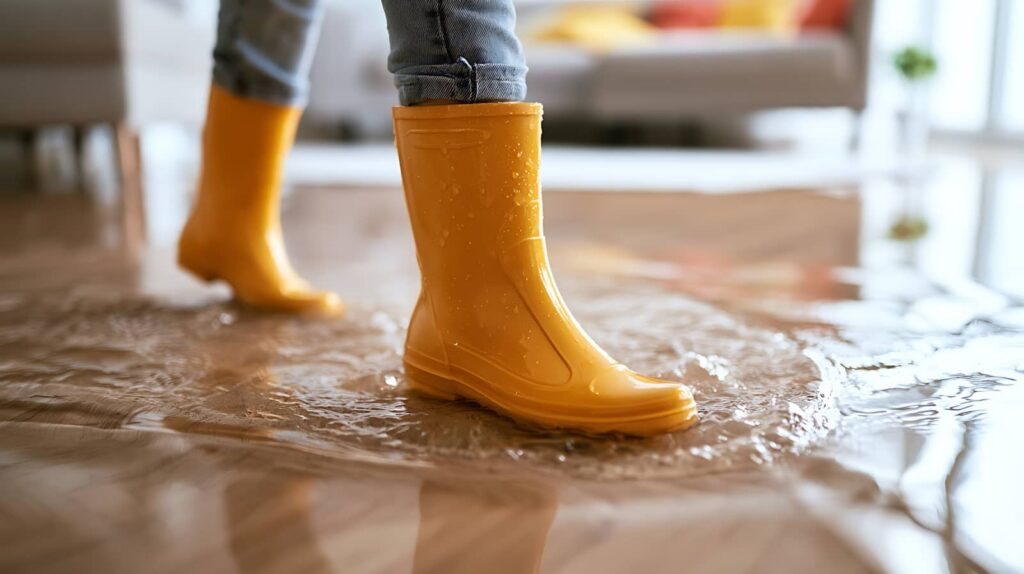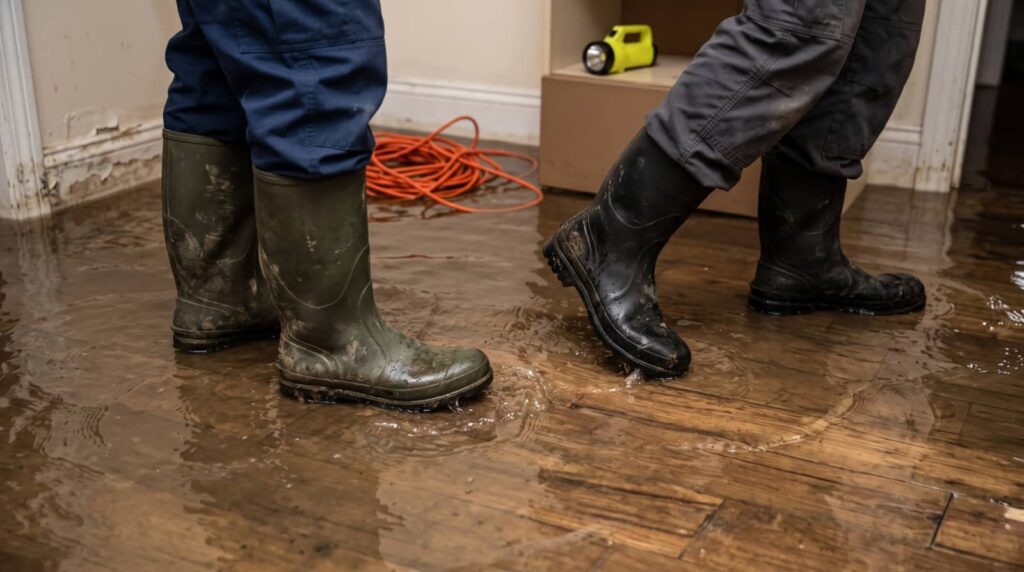
Imagine standing in a waterlogged room, with damp walls and soaked furniture surrounding you. It’s essential to act quickly and methodically if you want to restore your space effectively. From evaluating the extent of flood damage to implementing water removal techniques, each step plays an important role in the recovery process. Understanding the best practices for flood damage restoration can make all the difference in ensuring a safe and thorough restoration. What comes next might surprise you.
Key Takeaways
- Conduct thorough damage assessments using visual inspections and moisture meters to categorize and prioritize restoration needs.
- Implement safety measures by using protective gear and removing hazardous debris to ensure a safe working environment.
- Utilize effective water removal techniques, including submersible pumps and industrial dehumidifiers, to mitigate water damage and prevent mold growth.
- Document all damage and repairs meticulously, including photos and receipts, to support insurance claims and restoration efforts.
- Engage qualified restoration professionals and establish a clear timeline for completion, monitoring progress regularly to adapt plans as needed.
Assessing the Extent of Damage
When you face the aftermath of a flood, evaluating the extent of the damage is vital for effective restoration. Start by conducting a thorough damage assessment using various methods, such as visual inspections, moisture meters, and thermal imaging.
These tools provide a clear picture of affected areas, helping you identify hidden damage behind walls and under flooring. Document everything meticulously, as this flood impact evaluation plays a significant role in insurance claims and future repairs.
Next, categorize the damage by severity—structural, electrical, and contents—and prioritize based on urgency. This systematic approach ensures you address the most critical issues first, facilitating a smoother restoration process.
Engaging with professionals who specialize in flood recovery can enhance your assessment, providing insights that might be overlooked. Remember, a detailed evaluation sets the foundation for successful recovery, allowing you to restore your space and peace of mind effectively.
Prioritizing Safety Measures
Following a thorough assessment of flood damage, prioritizing safety measures becomes imperative. First, ascertain you have proper emergency preparedness protocols in place. Familiarize yourself with the risks associated with floodwaters, including electrical hazards, chemical exposure, and structural instability.
Invest in essential safety equipment, such as personal protective gear, including gloves, masks, and waterproof boots. These items not only protect you from contaminants but also reduce the risk of injury during the restoration process.
Next, establish a safe work environment by removing hazardous debris and clearly marking dangerous areas. If necessary, enlist the help of professionals trained in flood recovery, as their expertise can considerably mitigate risks.
Finally, maintain effective communication with your team, ensuring everyone understands safety protocols and emergency procedures. By prioritizing safety measures, you create a secure environment for yourself and others while steering through the challenges of flood damage restoration.
Implementing Effective Water Removal Techniques
To effectively tackle flood damage, you must prioritize efficient water removal techniques. Start by evaluating the situation to determine the extent of the water intrusion.
Use pumping equipment to remove standing water quickly, opting for submersible pumps for deep pools. Make certain to position the pumps strategically to facilitate maximum water extraction.
Once you’ve eliminated the bulk of the water, switch to vacuum extraction methods to tackle residual moisture. Portable wet/dry vacuums are ideal for this phase, allowing you to reach tight spaces and corners that pumps might miss.
Remember to continuously monitor the area during the process, as stagnant water can lead to further damage and mold growth.
Drying and Dehumidification Processes
As moisture lingers after water removal, implementing effective drying and dehumidification processes becomes essential for preventing structural damage and mold growth.
Start by establishing proper airflow management throughout the affected areas. Use high-velocity fans to circulate air, ensuring that moisture evaporates efficiently from surfaces and materials. Position these fans strategically to create cross-ventilation, enhancing the drying process.
In tandem with airflow, moisture monitoring is important. Utilize hygrometers to regularly check humidity levels, ensuring they remain below 60%. This helps to identify areas that may need additional attention or drying equipment.
Dehumidifiers play a significant role in this process; they extract moisture from the air, accelerating the overall drying timeline.
Addressing Mold Prevention and Remediation
Since mold can begin to grow within 24 to 48 hours after water exposure, it’s crucial to implement effective prevention and remediation strategies immediately.
Start by thoroughly drying affected areas using industrial dehumidifiers and fans; this minimizes moisture, the primary catalyst for mold growth. Ascertain proper ventilation in your home to enhance air quality, allowing for better airflow and reducing humidity levels.
If you notice any signs of mold, such as musty odors or discoloration, act quickly. Use appropriate personal protective equipment (PPE) like masks and gloves while addressing mold. Clean small areas with a mixture of water and detergent, but for extensive infestations, consider consulting professionals to ensure complete removal and prevent recurrence.
Finally, monitor humidity levels with a hygrometer, keeping them below 60%. Regularly inspect your home to maintain a mold-free environment, safeguarding both your health and your home’s integrity.
Repairing Structural Damage
When you assess structural integrity after flood damage, you’re evaluating critical components like walls, foundations, and beams for any signs of weakness.
Implementing effective repair techniques is essential to restore stability and ensure safety.
Additionally, you must consider preventive measures to guard against future damage and maintain the integrity of your structure.
Assessing Structural Integrity
While you may be keen to begin repairs after a flood, evaluating the structural integrity of your property must come first.
Start by conducting thorough foundation checks to identify any cracks or settling issues that could compromise stability.
Look closely at your load bearing walls; these are vital for supporting your structure and should be inspected for signs of warping or damage.
Don’t overlook the roof and flooring, as water can weaken these elements as well.
Document all findings to ensure a clear understanding of what needs attention.
This detailed assessment safeguards your property while offering peace of mind, knowing you’re taking the right steps for a safe and secure restoration.
Implementing Repair Techniques
Once you’ve assessed the structural integrity of your property, it’s time to implement repair techniques to address any damage.
Utilizing the right repair materials and restoration technologies is essential for effective restoration.
Consider the following techniques:
- Replace damaged beams to restore support.
- Reinforce with steel brackets for added stability.
- Apply moisture-resistant insulation to prevent future issues.
- Use high-quality sealants to protect vulnerable areas.
- Install advanced drainage systems to divert water.
Preventing Future Damage
To effectively prevent future flood damage, it’s essential to address any structural weaknesses identified during your assessment.
Begin by reinforcing the foundation; this can involve underpinning or using high-strength materials to bolster stability.
Install flood barriers around vulnerable areas to redirect water away from your property.
Make sure your drainage systems are functioning at their best; this includes clearing debris from gutters and downspouts, and possibly integrating a sump pump to manage excess water.
Additionally, consider elevating electrical systems and appliances to minimize potential damage.
Regular maintenance checks can help you catch issues early, fostering a proactive approach.
Documenting and Reporting for Insurance Claims
Effective documentation and reporting are essential steps in securing insurance claims after flood damage.
To navigate the complex process of insurance communication, you’ll want to gather thorough claim documentation that supports your case.
Here are key elements to include:
Photographic Evidence: Capture clear images of the damage from multiple angles.
Inventory List: Document all affected items, noting their condition and value.
Repair Estimates: Obtain professional quotes for restoration work.
Witness Statements: Collect accounts from neighbors or professionals who observed the damage.
Correspondence Records: Keep track of all interactions with your insurance company.
Frequently Asked Questions
How Long Does Flood Damage Restoration Typically Take?
Flood damage restoration typically takes several days to weeks, depending on the severity. The restoration timeline involves an efficient drying process, ensuring all affected areas are thoroughly dried and treated to prevent further damage and mold growth.
Can I Handle Flood Restoration Myself?
You can handle flood restoration yourself, but it requires careful planning and knowledge. Use flood cleanup tips for safety and efficiency. DIY restoration can save money, but make sure you know when to call professionals for help.
What Are the Costs Associated With Flood Damage Restoration?
Flood damage restoration costs vary. You’ll need to evaluate expenses for restoration services, materials, and labor. Check your insurance coverage, as it can greatly offset costs, helping you manage the financial burden effectively.
How Can I Prevent Future Flooding in My Home?
To prevent future flooding in your home, implement effective flood prevention methods like installing proper home drainage solutions, maintaining gutters, and landscaping your yard to direct water away—keeping your abode safe and dry for everyone inside.
What Should I Do Immediately After a Flood?
After a flood, prioritize safety. Check for hazards, avoid standing water, and contact emergency services if needed. Document damage for insurance, and reach out to emergency contacts for support. Take necessary safety precautions throughout the process.
Conclusion
In the aftermath of flooding, maneuvering the restoration process can feel like steering a ship through stormy seas. By following these best practices, you ensure a more thorough recovery and safeguard your home and peace of mind. Remember, each step you take—from evaluating damage to documenting for insurance—helps to rebuild your foundation stronger than before. Don’t hesitate to lean on professionals when needed; they’re your lighthouse guiding you toward safe harbor.