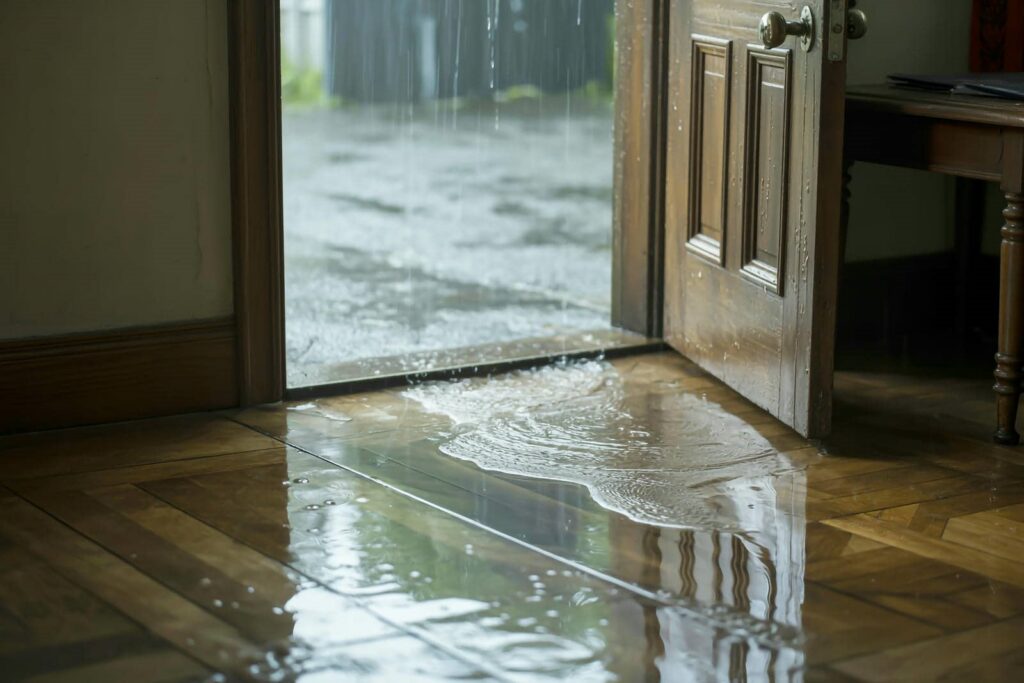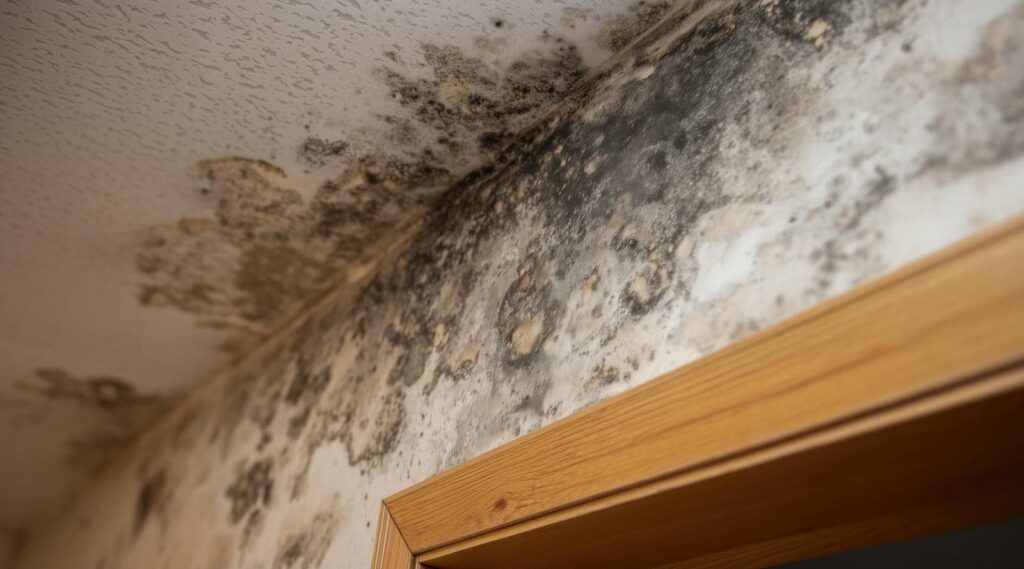
When water damage occurs, it’s vital to act quickly to prevent mold growth. You need to assess the damage and moisture levels within 24 to 48 hours. After that, drying out affected areas and using the right products can greatly reduce your risk. Understanding how to maintain low humidity is also essential. Let’s explore these mold prevention strategies, so you can safeguard your space effectively.
Key Takeaways
- Act within 24-48 hours to dry out affected areas and prevent mold growth.
- Use dehumidifiers and fans to reduce moisture and enhance airflow in damp areas.
- Choose mold-resistant materials and paints during repairs to inhibit future mold.
- Regularly inspect vulnerable areas like basements and bathrooms for early signs of moisture.
- Maintain proper ventilation and humidity levels between 30-60% to deter mold development.
Quickly Assess Water Damage
When dealing with water damage, it’s vital to act swiftly—ideally within 24 to 48 hours.
Start by conducting water source identification to pinpoint where the moisture originated. This could be from a burst pipe, roof leak, or flooding.
Once you’ve identified the source, focus on damage extent evaluation. Check affected materials, including drywall, flooring, and insulation, to assess how deeply they’ve absorbed water.
Use a moisture meter if available for precise readings. Document your findings, as this information will be important for insurance claims and restoration efforts.
By swiftly addressing these steps, you mitigate further damage and foster a sense of community among those facing similar challenges.
Take action now to protect your home and health.
Immediately Dry Out Affected Areas
After evaluating the extent of water damage, it’s time to immediately dry out affected areas to prevent mold growth. Quick action is essential.
Follow these steps for effective emergency drying:
Relocate Furniture: Move all wet furniture and belongings to prevent further water absorption.
Ventilate: Open windows and doors to create airflow, aiding in evaporation.
Use Dehumidifiers: Set up dehumidifiers in affected areas to draw out moisture from the air.
Employ Fans: Utilize fans to circulate air and speed up the drying process.
Choose Mold-Resistant Products for Effective Repairs
Choosing mold-resistant products is essential for effective repairs, especially if you’ve dealt with water damage. Start by using mold-resistant paints, which contain antimicrobial properties that inhibit mold growth on surfaces. These paints protect your walls and enhance the aesthetics of your space.
Additionally, consider installing moisture barriers in areas prone to dampness, such as basements and bathrooms. These barriers prevent moisture from seeping through walls and floors, greatly reducing the likelihood of mold development.
When selecting materials, prioritize options designed for high-humidity environments. By investing in mold-resistant products, you’re not just repairing damage; you’re creating a healthier living space for you and your family.
Make informed choices, and make sure your home stays mold-free for the long term.
Keep Humidity Low
Maintaining low humidity levels in your home is essential for preventing mold growth, especially in areas susceptible to moisture.
Here are some effective strategies you can implement:
Use a Dehumidifier: Place dehumidifiers in high-humidity areas like basements to keep moisture levels in check.
Ventilation Strategies: Ensure proper ventilation in kitchens and bathrooms by using exhaust fans to expel moist air.
Seal Windows and Doors: Check for leaks and seal any gaps to prevent humid air from entering your home.
Monitor Humidity Levels: Use a hygrometer to regularly check indoor humidity, aiming for levels between 30-60%.
Check and Clean Vulnerable Areas Often
Regularly checking and cleaning vulnerable areas in your home is essential for mold prevention. Focus on spots like basements, bathrooms, and around windows, as these areas often retain moisture.
Conduct regular inspections to identify any signs of water damage or mold growth early. Use a mixture of water and vinegar to wipe down surfaces, ensuring you reach behind appliances and under sinks.
Don’t overlook HVAC systems, as they can harbor mold if not maintained. Set a schedule for these inspections, whether monthly or quarterly, to stay proactive.
Frequently Asked Questions
How Long Does It Take for Mold to Develop After Water Damage?
Mold can develop within 24 to 48 hours after water damage, depending on water damage factors like humidity and temperature. Understanding the mold growth timeline helps you act quickly to prevent further issues.
What Are the Health Risks Associated With Mold Exposure?
Mold exposure can lead to serious health risks, including respiratory issues and various mold symptoms like coughing, sneezing, and skin irritation. It’s essential to address any mold growth promptly to protect your health and well-being.
Can I Use Bleach to Kill Mold?
You can use bleach for mold removal, but it’s often ineffective on porous surfaces. Consider bleach alternatives like vinegar or hydrogen peroxide, which can be safer and more effective for thorough mold removal techniques.
How Can I Identify Hidden Mold in My Home?
To identify hidden mold in your home, use mold detection methods like visual inspections and moisture monitoring tools. Check damp areas, behind walls, and under carpets to spot potential growth before it escalates.
When Should I Call a Professional for Mold Remediation?
You should call a professional for mold remediation when you find extensive growth, unusual odors persist, or if your health is at risk. They’ll provide mold inspection services and effective mold remediation techniques to ensure safety.
Wrap-Up
To effectively prevent mold after water damage, act quickly, dry thoroughly, choose wisely, maintain consistency, and inspect regularly. By evaluating the damage promptly, drying affected areas swiftly, selecting mold-resistant materials, keeping humidity levels down, and routinely checking vulnerable spots, you safeguard your space. Remember, a proactive approach minimizes mold risk and ensures a healthier environment. Stay vigilant, stay prepared, and keep your home mold-free.