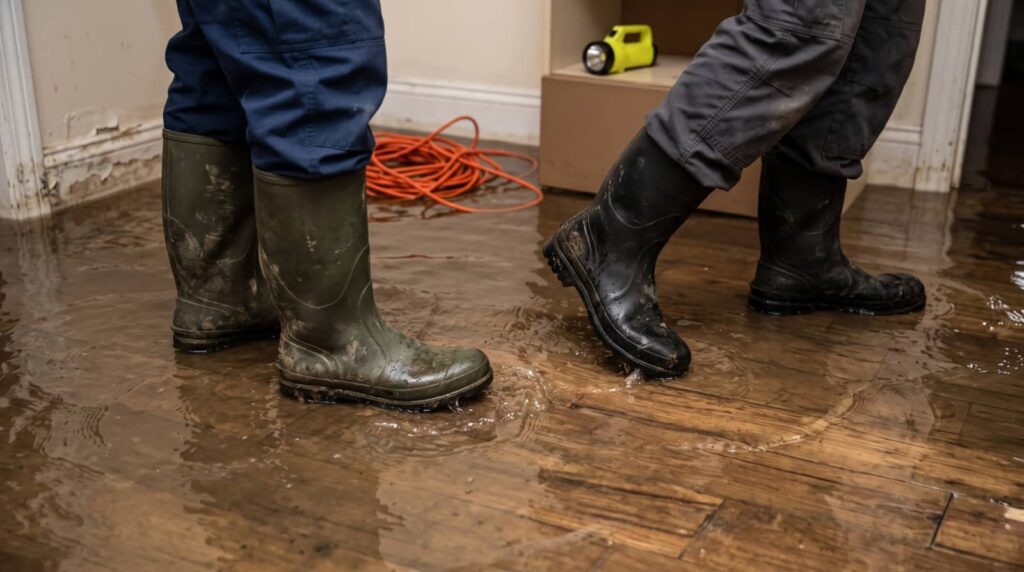
When unexpected flooding strikes your business, the impact can be overwhelming. You need a swift and effective response to minimize damage and ensure operations resume quickly. Knowing what steps to take and whom to trust is vital in these moments. Understanding the flood damage cleanup process and the importance of timely intervention can make all the difference. Let’s explore how you can safeguard your business and navigate the challenges that come with flood damage.
Key Takeaways
- A reliable flood cleanup company offers 24/7 support to address emergencies promptly and minimize damage.
- Swift response times are essential to reduce recovery duration and restore business operations quickly.
- Ensure the cleanup team is experienced and licensed, ensuring professional service during critical situations.
- Comprehensive documentation of damage aids in insurance claims and facilitates quicker financial recovery.
- Preventative measures should be implemented post-cleanup to mitigate future flood risks and protect business assets.
How Flood Damage Affects Your Business
When flood damage strikes, it can disrupt your business in ways you mightn’t immediately realize. Your business reputation hangs in the balance as operational disruptions lead to a recovery timeline that may feel overwhelming.
The financial impact can be severe, affecting cash flow and resource allocation. Customers may lose trust if they perceive delays in service or product availability.
Emergency planning becomes essential, and a thorough risk assessment can help mitigate long-term effects. Engaging with community support during these challenging times can foster resilience and connection.
The Step-by-Step Flood Damage Cleanup Process
When facing flood damage, it’s essential to follow a structured cleanup process to restore your business effectively.
You’ll start with an initial assessment to understand the extent of the damage, followed by water extraction techniques to remove any standing water.
Finally, proper drying and dehumidification will help prevent further issues and ensure a safe environment for your employees and customers.
Initial Assessment Procedures
A thorough initial assessment is essential for effective flood damage cleanup in your business. Start by evaluating the extent of the flood impact on your property. Check for structural damage, electrical hazards, and contaminated materials.
Document everything through photos and notes, as this will aid in your damage assessment and insurance claims. Involve your team in this process; their insights can help identify areas you might overlook.
Prioritize safety—ensure everyone is out of harm’s way before diving into the assessment. Once you’ve gathered all necessary information, consult with professionals who can guide you through the next steps.
This thoughtful approach fosters a sense of community and sets the stage for a successful recovery.
Water Extraction Techniques
Begin the water extraction process promptly to minimize further damage and reduce recovery time. Effective water removal methods are essential in this stage, and utilizing the right extraction equipment can make all the difference.
Assess the type of water: Is it clean, gray, or black?
Use pumps for large volumes and vacuums for smaller areas.
Ensure safety measures are in place to protect yourself and others.
Drying and Dehumidification
As you move forward in the flood damage cleanup process, drying and dehumidification become essential to preventing further deterioration.
Start by ensuring effective moisture control through proper air circulation. Utilize high-capacity dehumidifiers to maintain ideal humidity levels, while monitoring the temperature to support drying efficiency.
Regular equipment maintenance is critical; it ensures that your tools operate at their best, enhancing the overall restoration timeline.
As you dry out affected areas, keep a close eye on structural integrity to avoid long-term damage.
Remember, mold prevention is paramount—act swiftly to eliminate dampness.
Choosing a Reliable Flood Cleanup Company
When choosing a reliable flood cleanup company, it’s essential to prioritize their experience and expertise in handling similar situations.
You’ll also want to make certain they can ensure a swift response time, as every moment counts in minimizing damage.
Finally, verifying their insurance and licensing will give you peace of mind, knowing you’re working with a legitimate and trustworthy service.
Experience and Expertise
Choosing a reliable flood cleanup company is essential, especially since the aftermath of flooding can be overwhelming for any business.
You want professionals who understand flood restoration techniques and prioritize your unique needs.
Look for a company that:
- Has proven experience in flood damage recovery
- Offers tailored business recovery strategies
- Provides 24/7 support to address your urgent concerns
Response Time Assurance
After securing a company with the right experience and expertise, the next priority is their response time.
In a flood emergency, every minute counts, and your choice of cleanup service can greatly impact your business’s recovery. Look for a company that emphasizes emergency readiness, ensuring they’re equipped to mobilize quickly when disaster strikes.
Ask about their average response time and how they handle high-demand situations. A reliable company understands the urgency and will have a dedicated team ready to assist you around the clock.
You deserve peace of mind knowing that help is just a call away, ready to restore your business and support you through this challenging time.
Choose wisely and protect what matters most.
Insurance and Licensing Verification
Making certain that your chosen flood cleanup company is properly licensed and insured is essential for safeguarding your business during a crisis.
A reliable company will meet licensing requirements and have extensive insurance policies that protect you from unexpected costs.
- Verify their insurance coverage limits to ensure adequate protection.
- Inquire about their claim processes and how they handle policy exclusions.
- Request information on their risk assessments to understand their approach.
Essential Equipment for Effective Flood Damage Restoration
When floodwaters invade your business, having the right equipment on hand can make all the difference in restoring your space quickly and efficiently.
Essential drying equipment, like industrial-grade dehumidifiers and air movers, helps eliminate moisture that can lead to mold and further damage.
Additionally, flood restoration tools, such as water extractors and powerful wet vacuums, ensure you remove standing water swiftly.
Don’t forget safety gear, including gloves and masks, to protect yourself during cleanup.
Investing in this equipment expedites the restoration process and fosters a sense of community as you work together to rebuild.
With the right tools, you can navigate this challenging time and restore your business to its former glory.
Why Quick Response Is Crucial for Flood Damage Cleanup
Having the right equipment sets the stage for effective flood damage restoration, but how quickly you respond can make all the difference.
The flood impact on your business can escalate rapidly, leading to more extensive damage and higher repair costs if you delay. This is why understanding the urgency importance of immediate action is vital.
Minimize Structural Damage: Quick response can help prevent long-term issues.
Protect Your Inventory: Safeguarding your assets reduces financial loss.
Maintain Customer Trust: Fast action shows your commitment to recovery.
Common Mistakes to Avoid During Flood Cleanup
While tackling flood cleanup, it’s easy to overlook critical steps that can lead to more damage and increased costs. One common mistake is falling for cleanup misconceptions, like thinking you can handle everything yourself.
DIY pitfalls can exacerbate the situation, especially if you’re untrained in water damage restoration. Skipping professional help may save money initially but can result in costly repairs later.
Additionally, neglecting safety precautions, such as using proper protective gear, can put you and your team at risk. Remember, it’s essential to document damage thoroughly for insurance purposes.
Best Practices for Effective Flood Cleanup
When dealing with flood damage, your immediate response can greatly impact the recovery process.
It’s essential to follow safety protocols and use the right equipment and techniques to ensure effective cleanup.
Immediate Response Procedures
As floodwaters recede, it’s essential to act quickly to minimize damage and secure the safety of your employees and customers.
Follow these immediate response procedures to ensure an effective cleanup:
Reach out to emergency contacts: Inform local authorities and flood damage professionals for timely assistance.
Activate staff training: Confirm your team knows their roles during emergencies, allowing for a coordinated response.
Document the damage: Take photos and notes to support insurance claims and future preventative measures.
Safety Protocols and Guidelines
Ensuring safety during flood cleanup is essential, especially since hazardous conditions can arise unexpectedly. Start by implementing safety training that focuses on hazard identification and emergency procedures. Equip your team with protective equipment to minimize exposure to contaminants.
Conduct regular risk assessments to stay ahead of potential dangers. Foster employee awareness by encouraging open communication about safety concerns, and establish clear evacuation plans for swift action if needed.
Adhere to health regulations to protect everyone involved in the cleanup. Implement effective cleanup protocols that prioritize contamination control, ensuring a safe environment for all.
Equipment and Techniques Used
Choosing the right equipment and techniques is essential for effective flood cleanup.
Utilizing advanced machinery and proper methods can greatly speed up the recovery process, ensuring your business gets back on its feet quickly.
Here are some key components to take into account:
- High-powered pumps for efficient water removal
- Moisture detection tools to identify hidden damp areas
- Industrial dehumidifiers for thorough drying
Navigating Insurance for Flood Damage Cleanup
How can you effectively navigate the often complex world of insurance when dealing with flood damage cleanup? Start by reviewing your policy coverage to understand what’s included. Are you covered for flood damage, or do you need additional riders?
When filing insurance claims, document everything—photos of the damage, receipts for cleanup efforts, and any communications with your insurer. This thorough approach strengthens your claim and demonstrates your commitment to recovery.
Keep in mind that insurers may have specific timelines for claims, so act quickly. Connecting with a knowledgeable agent can help clarify any confusing terms and ensure you’re maximizing your benefits.
Preventative Measures to Reduce Future Flood Risks
After maneuvering through the complexities of insurance for flood damage cleanup, it’s crucial to evaluate steps you can take to minimize future risks.
Implementing effective preventative measures protects your business and fosters a sense of community and safety among your employees.
- Install flood barriers to safeguard entrances and vulnerable areas.
- Upgrade drainage systems to ensure efficient water flow during heavy rains.
- Conduct regular inspections to identify and address potential issues.
Additionally, provide employee training on emergency plans and make sure your landscape grading directs water away from your property.
How to Maintain Business Continuity During Restoration?
While managing the challenges of flood restoration, it’s important to prioritize business continuity to minimize disruptions. Start by developing solid business strategies that allow for flexibility.
Identify essential operations that must continue and allocate resources accordingly. Establish clear communication plans to keep your team informed and engaged during the restoration process; transparency fosters trust and unity.
Leverage technology to facilitate remote work, ensuring your employees stay connected and productive. Regularly update stakeholders on progress, reinforcing your commitment to recovery.
Frequently Asked Questions
How Can I Prepare My Business for Potential Flooding?
To prepare your business for potential flooding, implement effective flood prevention strategies and develop an extensive emergency response plan. Regularly review and update these plans to ensure safety, protect assets, and foster a resilient community.
What Types of Insurance Cover Flood Damage Restoration?
To cover flood damage restoration, consider specific flood insurance types, like National Flood Insurance Program (NFIP) policies or private flood insurance. These offer essential restoration coverage options, ensuring your business can recover quickly and effectively.
How Long Does Flood Cleanup Typically Take?
Imagine a river’s journey; flood cleanup’s timeline varies. Typically, it takes days to weeks, depending on factors like severity, location, and resources. You’ll find comfort in knowing dedicated teams work tirelessly to restore your space.
Are There Any Government Grants for Flood Damage Assistance?
Yes, there are federal assistance programs and local resources available for flood damage. You should explore options like FEMA grants and community aid programs to help you recover and rebuild effectively during this challenging time.
Can I Handle Flood Cleanup Myself to Save Costs?
You can handle flood cleanup yourself, but weigh the risks. Picture a DIY project gone wrong—costly mistakes can add up. Use DIY cleanup tips wisely and perform a cost analysis to ensure you’re truly saving.
Final Thoughts
In the wake of a flood, your business can feel like a ship lost at sea. But with 24/7 flood damage cleanup services, you’ve got a lifeboat ready to guide you back to shore. By acting swiftly and choosing the right team, you protect your assets and reassure your customers of your resilience. Embrace the restoration process as a chance to rebuild stronger, turning adversity into a stepping stone for future success.