When disaster strikes, like a sudden flood, knowing the right steps for commercial flood damage repair can make all the difference. You’ll want to start by evaluating the damage thoroughly, ensuring every affected area is documented for insurance. From there, safety and compliance become your top priority. Curious about how water extraction and structural drying fit into the process? Let’s explore the critical stages of restoration together.
Key Takeaways
- Conduct a thorough damage assessment, documenting all affected areas and items for insurance claims and restoration planning.
- Ensure safety by assessing immediate hazards and confirming the structural integrity of the building before beginning repairs.
- Remove standing water quickly using industrial-grade pumps and dehumidifiers to prevent further damage and mold growth.
- Repair and restore damaged structures with suitable materials, ensuring compliance with safety standards and proper functionality of systems.
- Implement flood prevention measures and establish an emergency preparedness plan to mitigate future risks and enhance safety.
Assessing the Damage
When you face the aftermath of a flood, evaluating the damage is vital for effective recovery. Start by documenting everything—take photos and videos of affected areas.
This thorough damage evaluation won’t only help you understand the extent of the destruction but will also be essential when filing a claim with your flood insurance provider. Look for structural damage, mold growth, and compromised electrical systems.
Make a list of damaged items, from furniture to equipment, noting their value and condition.
This organized approach can streamline your insurance claim process and ensure you don’t overlook any losses.
Ensuring Safety and Compliance
As you begin the repair process, it’s vital to assess immediate hazards, such as electrical risks and structural damage.
Following established safety protocols will protect both you and your team while ensuring compliance with local regulations.
Additionally, confirming the structural integrity of the building is essential to prevent further complications during repairs.
Assessing Immediate Hazards
Evaluating immediate hazards is essential for ensuring safety and compliance during the flood damage repair process.
You need to conduct thorough hazard identification and risk assessment to protect yourself and your team.
Here are four vital steps to take:
Inspect Structural Integrity: Check for any damage to walls, ceilings, and floors that may pose a risk.
Evaluate Electrical Systems: Confirm all electrical systems are de-energized to prevent electrocution.
Assess Water Contaminants: Identify any hazardous materials in the floodwater, such as chemicals or sewage.
Check for Mold Growth: Look for early signs of mold, which can develop quickly and affect health.
Following Safety Protocols
To ensure safety and compliance during the flood damage repair process, adhering to established safety protocols is crucial.
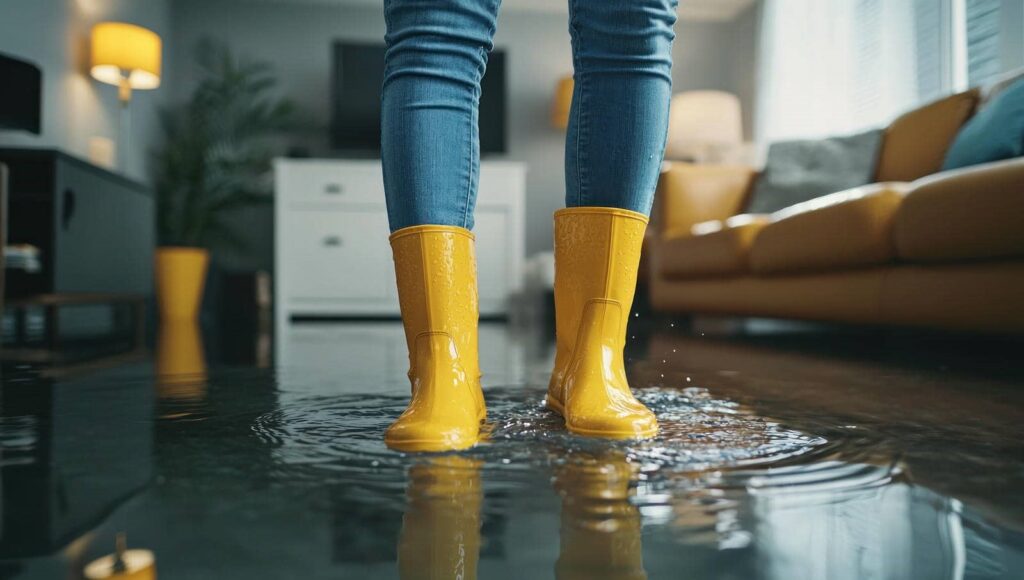
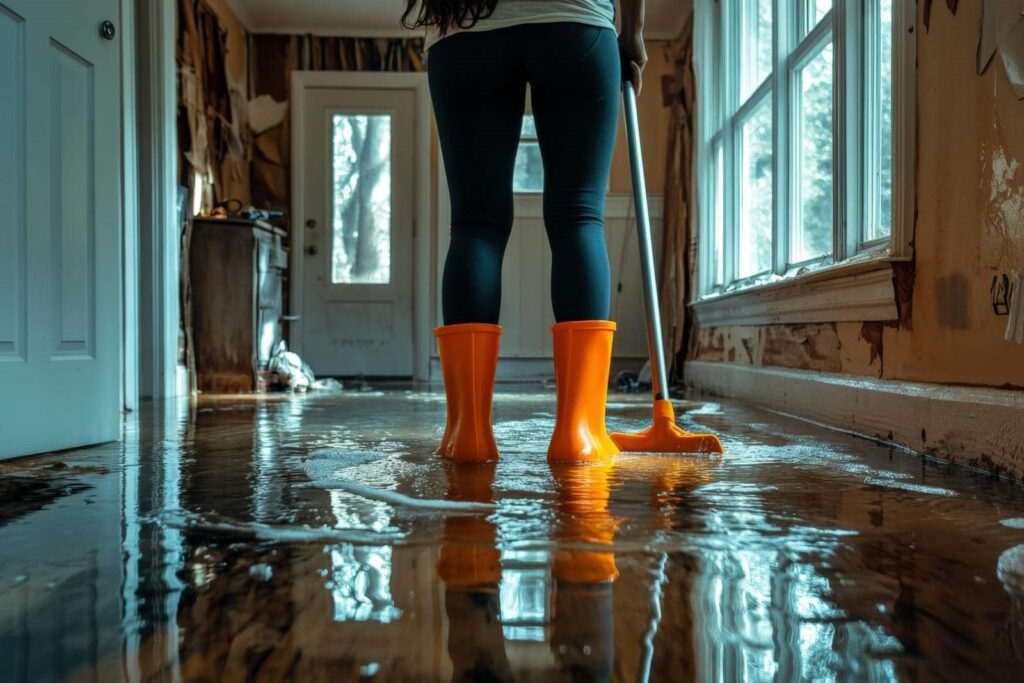
First, verify that you wear appropriate safety equipment, such as gloves, goggles, and waterproof boots, to protect yourself from hazards.
Familiarize yourself with emergency protocols, including evacuation routes and first aid procedures, so you’re prepared for any unforeseen incidents.
Before starting, assess the work environment for electrical risks or structural instability.
Clear any debris that may pose a tripping hazard, and maintain a clutter-free workspace.
Communicate openly with your team, sharing updates about any potential dangers.
Ensuring Structural Integrity
Before starting any flood damage repair, it’s essential to assess the structural integrity of the building to secure safety and compliance.
You’ll want to verify your property is safe for everyone involved. Here are some key steps to follow:
Conduct Structural Assessments: Evaluate the overall condition of the building, identifying any visible damage.
Perform Integrity Testing: Use specialized tools to check for weaknesses in beams, walls, and foundations.
Engage Professionals: Hire structural engineers who can provide expert insights and recommendations.
Document Findings: Keep detailed records of assessments and tests for compliance and future reference.
Water Extraction and Removal
When facing flood damage, your first step is an initial assessment to determine the extent of the water intrusion.
Once you’ve evaluated the situation, it’s essential to utilize the right equipment for efficient water extraction and removal.
This process speeds up recovery and helps prevent further damage and mold growth.
Initial Assessment Steps
As soon as flooding occurs, conducting an initial assessment is essential for effective water extraction and removal.
Start by performing an initial evaluation to gauge the situation. Follow these steps for thorough damage categorization:
Identify the Source: Determine where the water is coming from to address the problem effectively.
Assess Affected Areas: Walk through the property, noting all areas impacted by water.
Document Damage: Take photos and make notes of damage for insurance claims and future reference.
Prioritize Cleanup: Decide which areas need immediate attention, focusing on high-risk spots like electrical systems.
Equipment Utilization Techniques
After evaluating the situation and identifying the areas affected by flooding, it’s time to focus on effective equipment utilization for water extraction and removal.
You’ll want to take into account equipment rental options that allow you to access advanced technology without the burden of ownership. Start with industrial-grade pumps to remove standing water quickly; these are essential for minimizing damage.
Next, employ high-capacity dehumidifiers to eliminate moisture from the air and surfaces, preventing mold growth. Don’t forget about vacuums designed for water extraction; they can efficiently tackle smaller areas and hard-to-reach spots.
Structural Drying and Dehumidification
While flood damage can wreak havoc on a building’s structure, effective structural drying and dehumidification are crucial steps in the recovery process.
To ensure your space returns to its pre-flood condition, follow these key steps:
Assess the affected areas: Identify all wet materials and surfaces needing attention.
Strategic dehumidifier placement: Position dehumidifiers in areas with high moisture levels to maximize their effectiveness.
Implement moisture monitoring: Regularly check humidity levels to track progress and adjust equipment as needed.
Ventilation: Open windows and doors when possible to enhance airflow and facilitate faster drying.
Cleaning and Sanitizing Affected Areas
Once structural drying and dehumidification are complete, the focus shifts to cleaning and sanitizing the affected areas.
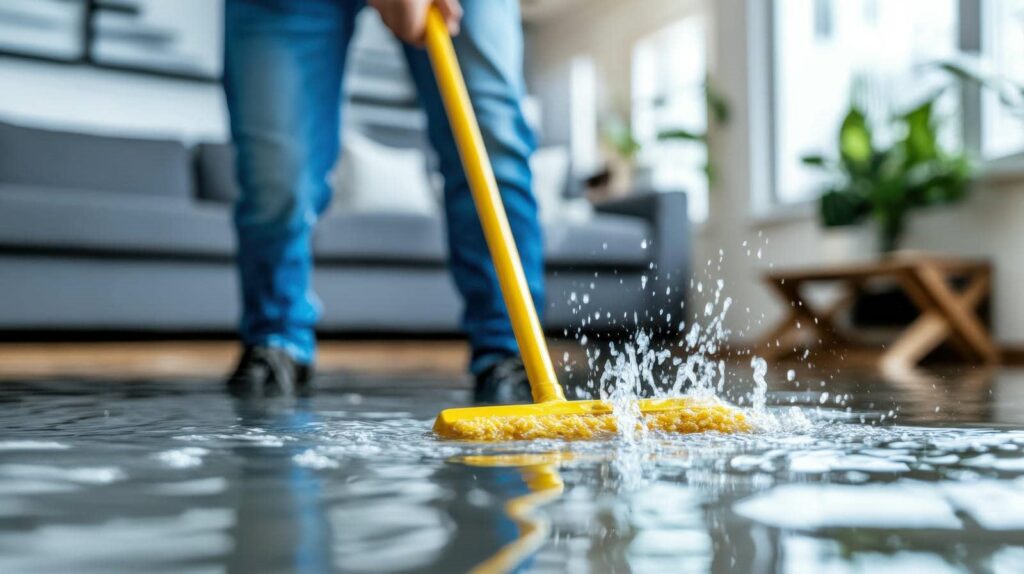
You’ll want to start by employing effective cleaning techniques to remove dirt, debris, and contaminants. This could involve using specialized vacuum systems or mops designed for water-damaged areas.
Next, it’s essential to apply sanitizing agents to eliminate harmful bacteria and mold spores. Choose appropriate sanitizers that are safe for your specific surfaces and effective in flood situations.
Be sure to pay attention to high-touch areas, as they often harbor germs.
Don’t forget to ventilate the space to aid the drying process and enhance the effectiveness of your cleaning efforts.
Finally, consider conducting a thorough inspection after cleaning to confirm all areas are sanitized and ready for further restoration.
Repairing and Restoring Damaged Structures
As you begin repairing and restoring damaged structures, it’s essential to assess the extent of the harm thoroughly.
This step ensures you can develop an effective restoration plan tailored to the specific needs of the site.
Here’s how to approach the repair process:
Evaluate Damage: Inspect walls, floors, and foundations to determine structural integrity.
Select Restoration Materials: Choose materials that match the original structure, ensuring durability and resilience.
Apply Structural Reinforcement Techniques: Implement techniques such as bracing or adding supports to enhance stability and prevent future issues.
Document Progress: Keep thorough records of repairs and materials used for future reference and insurance purposes.
Preventative Measures and Future Mitigation
After restoring damaged structures, it’s important to focus on preventative measures and future mitigation strategies to protect your property from potential flooding risks.
Start by implementing flood preparedness strategies tailored to your specific environment. This could include elevating critical systems, installing flood barriers, or using water-resistant materials in vulnerable areas.
Next, conduct regular risk assessment approaches to identify areas of concern. By analyzing historical data and potential flood zones, you can prioritize repairs and improvements.
Engage with local emergency services and community organizations to stay informed on best practices and resources available for flood prevention.
Encouraging a culture of preparedness among your staff is essential. Organize training sessions to familiarize everyone with emergency protocols and response plans.
Final Inspection and Documentation
When wrapping up the flood damage repair process, conducting a thorough final inspection is essential to verify that all restoration work meets the required standards.
This step ensures that you’re satisfied with the results and compliant with documentation requirements for insurance and future reference.
To make the final inspection effective, follow this final checklist:
- Inspect all repaired areas for visible damage or issues.
- Test all systems (electrical, plumbing, HVAC) to confirm they’re functioning properly.
- Review documentation of repairs and maintenance completed during the process.
- Take photos of the completed work for your records and to share with your insurance provider.
Completing these steps ensures that everything is in order and provides peace of mind, knowing your space is fully restored to a safe and functional condition.
Frequently Asked Questions
How Long Does the Commercial Flood Damage Repair Process Typically Take?
The commercial flood damage repair timeline typically ranges from a few days to several weeks. Factors influencing project duration include the severity of damage, required repairs, and coordination with contractors and insurance adjusters.
Will My Insurance Cover the Flood Damage Repair Costs?
Will your insurance cover the flood damage repair costs? It depends on your insurance policy and flood coverage. Review your policy details carefully, and don’t hesitate to consult your agent for clarification on coverage options.
What Types of Materials Are Used During the Repair Process?
During the repair process, you’ll encounter various repair materials like drywall, insulation, and flooring. Restoration techniques often involve dehumidification and mold remediation, ensuring your space returns to a safe, functional environment that feels welcoming again.
Can I Stay in My Building During the Repair Process?
You can’t stay in your building during repairs; the safety precautions taken demand it. After a thorough building assessment, professionals will determine when it’s safe for you to return. Your safety is their priority.
How Can I Prevent Future Flooding in My Commercial Property?
To prevent future flooding, you should implement flood prevention measures like installing proper property drainage solutions, maintaining gutters, and ensuring landscaping directs water away from your building. Regular inspections can also help identify potential issues early.
Wrap-Up
Steering through the commercial flood damage repair process is essential for restoring your property. By following these steps meticulously, you can turn back the clock on damage that feels like it could swallow your business whole. Remember, ensuring safety and thorough repairs protects your investment and safeguards your employees and customers. Don’t wait until it’s too late—take action now to mitigate future risks and restore your space to its former glory!