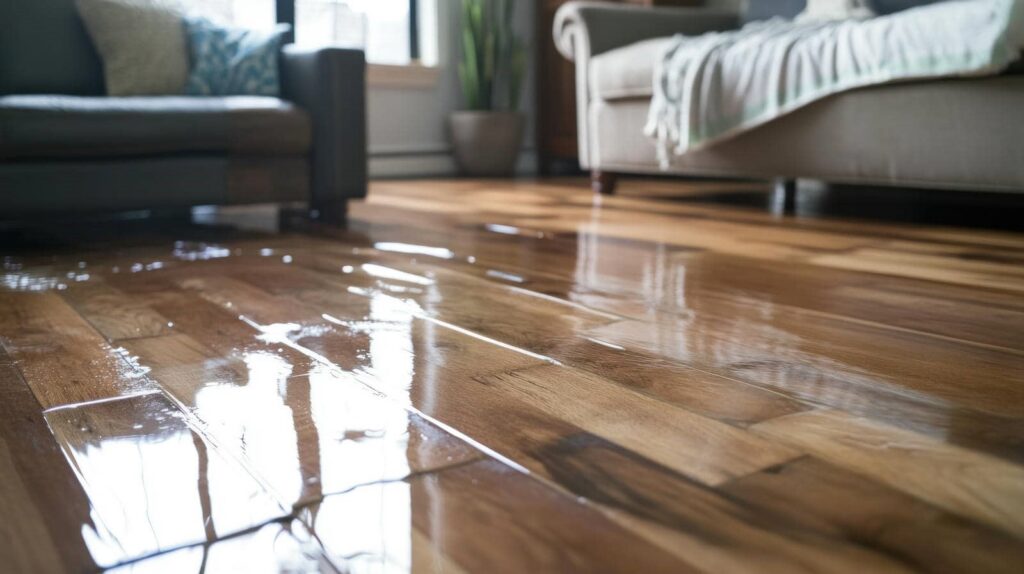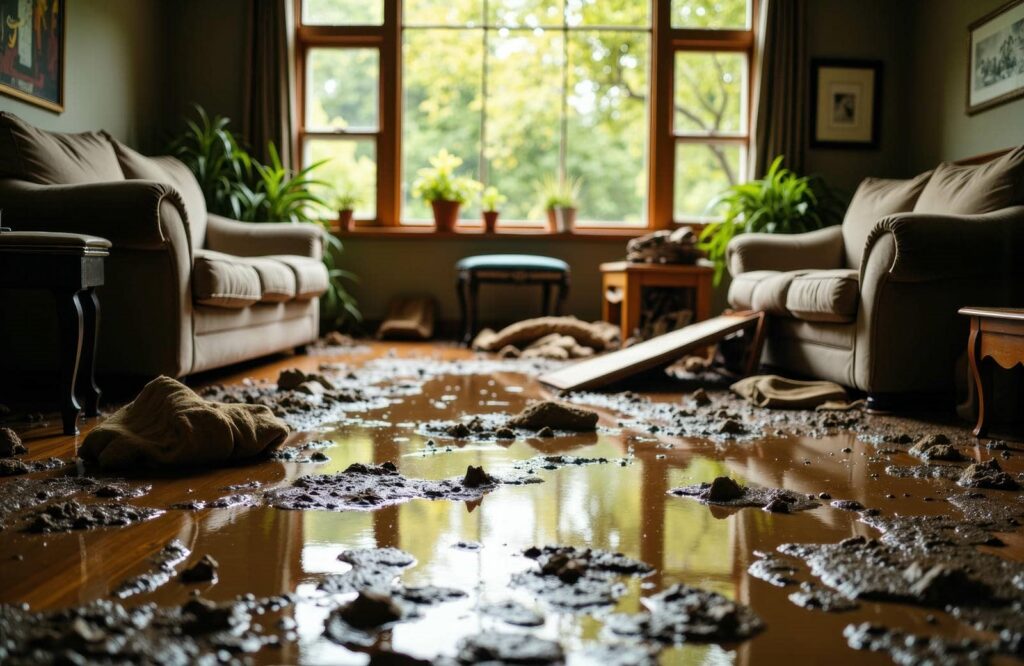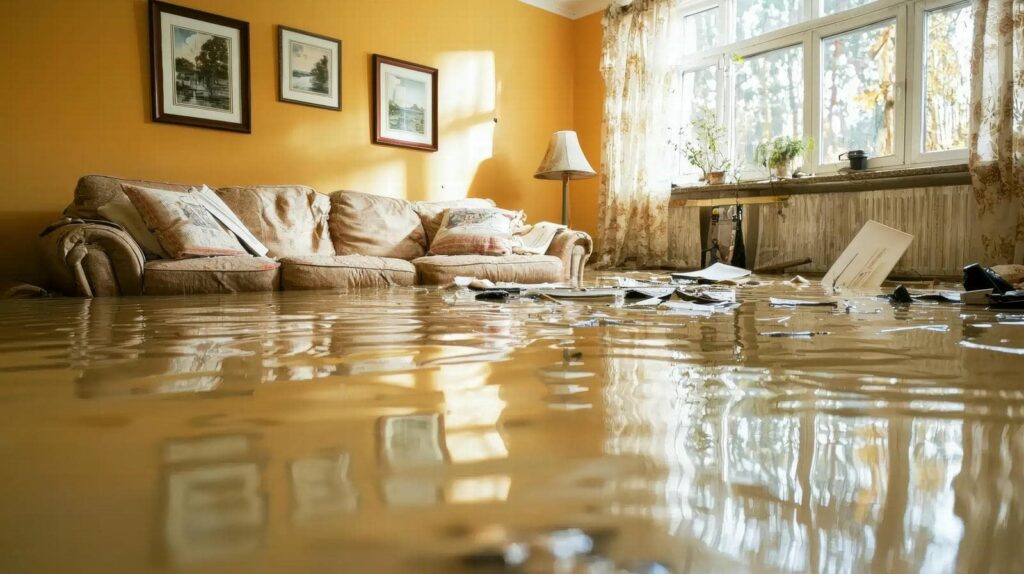
Just like a skilled surgeon evaluating a patient’s condition, you need to appraise the damage after a flood. It’s essential to document affected areas and ensure safety before proceeding. Water extraction is your first priority, but it’s not just about removing water. You’ll want to contemplate drying techniques and sanitation measures to prevent long-term issues. Understanding these flood damage strategies can greatly affect the outcome of your restoration efforts, but there’s much more to explore.
Key Takeaways
- Document all damage thoroughly with photos and videos to assess the extent of repairs needed.
- Ensure safety by confirming structural soundness and using protective gear in contaminated areas.
- Remove standing water quickly using pumps and wet vacuums, then monitor for residual moisture.
- Clean, disinfect, and dry affected areas promptly to prevent mold growth and further damage.
- Consult professionals for significant restoration needs and consider implementing long-term flood mitigation strategies.
Assessing the Damage
When evaluating the damage after a flood, it’s essential to act quickly to prevent further deterioration.
Begin your damage evaluation by documenting everything—take photos and videos of affected areas and items. Categorize the damage: structural, electrical, and personal property. This detailed record will be invaluable for insurance claims later on.
Next, assess the extent of water intrusion. Use moisture meters to identify hidden dampness that could lead to mold growth. If you find significant structural damage, consult professionals who can provide expert opinions and estimates.
Don’t forget to keep receipts for any expenses incurred during the assessment process, as these may also be necessary for your insurance claims.
Ensuring Safety and Health
After evaluating the damage, prioritizing safety and health becomes imperative.
Begin by examining flood safety measures. Confirm your property is structurally sound before entering, as weakened foundations can pose serious risks. Use protective gear like gloves and masks to shield against contaminants that may linger in waterlogged areas.
Next, identify potential health risks, such as mold growth and exposure to sewage. Mold can begin developing within 24-48 hours, so act quickly. Keep the environment ventilated to mitigate moisture buildup, and consider using a dehumidifier if possible.
Monitor for electrical hazards, especially if appliances were submerged. Turn off the power supply to avoid shocks.
Finally, keep a first-aid kit accessible and stay informed about any local health advisories related to the flood. By following these steps, you confirm your safety and contribute to a healthier recovery for yourself and your community.
Water Extraction Techniques
When addressing flood damage, effective water extraction is vital for minimizing further destruction.
You’ll need to implement pumping methods to remove standing water quickly, followed by dehumidification techniques to eliminate moisture from the air and surfaces.
These steps are essential to restore the affected area and prevent mold growth.
Pumping Out Water
Effective pumping out water is essential in minimizing flood damage and expediting the restoration process.
Start by evaluating the water depth and identifying the best equipment for efficient water removal, such as submersible pumps or truck-mounted systems. Position the pump at the lowest point to maximize efficiency, ensuring you maintain a steady discharge flow to prevent water from re-entering the area.
Consider using additional tools like wet vacuums for residual water, as they can enhance your flood recovery efforts. Always wear protective gear, as floodwaters can contain hazardous materials.
Once you’ve removed the majority of the water, monitor for hidden pockets of moisture to validate thorough extraction, paving the way for successful restoration and preventing mold growth.
Dehumidification Methods
To ensure a successful restoration following flood damage, utilizing effective dehumidification methods is essential for removing residual moisture from affected areas.
Implementing the right dehumidification techniques ensures ideal humidity control, preventing mold growth and structural damage.
Consider these approaches:
Refrigerant Dehumidifiers: These cool the air to condense moisture effectively.
Desiccant Dehumidifiers: Use absorbent materials for moisture removal.
Ventilation: Increase airflow to expedite drying.
Heat Sources: Apply gentle heat to enhance evaporation.
Air Movers: Strategically position fans to circulate air and promote drying.
Drying and Dehumidification
To effectively dry and dehumidify your space after flood damage, you’ll need to utilize specialized equipment such as air movers and dehumidifiers.
It’s essential to monitor moisture levels continuously to ensure that all areas reach appropriate dryness standards.
Effective Equipment Utilization
When faced with flood damage, utilizing the right equipment for drying and dehumidification is crucial for restoring affected areas efficiently.
Understanding various equipment types and adhering to proper maintenance protocols can greatly influence the restoration process.
Consider these key tools:
Air Movers: Increase airflow to evaporate moisture quickly.
Dehumidifiers: Extract excess humidity from the air, preventing mold growth.
Moisture Meters: Measure moisture levels in materials to ensure thorough drying.
Infrared Cameras: Detect hidden moisture behind walls or in ceilings.
Wet/Dry Vacuums: Remove standing water quickly to minimize damage.
Monitoring Moisture Levels
Effective equipment utilization sets the stage for successful monitoring of moisture levels during the drying and dehumidification process.
By employing moisture sensors, you can accurately gauge the humidity levels in affected areas. Place these sensors strategically throughout the space to capture real-time data, ensuring no damp spots are overlooked.
Regularly check the readings to assess the effectiveness of your drying efforts. If humidity levels remain high, adjust your dehumidification equipment accordingly to enhance airflow and accelerate drying.
It’s essential to maintain a consistent monitoring schedule, as this will help you identify trends and make informed decisions.
Cleaning and Sanitizing
As floodwaters recede, the urgency to clean and sanitize affected areas becomes critical to prevent mold growth and protect your health.
It’s vital to act quickly and methodically. Start by gathering essential cleaning supplies and sanitizing agents to ensure effective treatment of all surfaces.
- Use gloves and masks for safety.
- Remove debris and contaminated materials.
- Clean surfaces with soap and water.
- Apply appropriate sanitizing agents to kill pathogens.
- Dry everything thoroughly to prevent moisture buildup.
Pay special attention to hidden places like under sinks and behind appliances, where mold can thrive.
If you’re unsure about the effectiveness of your cleaning supplies, consider consulting professionals who specialize in flood damage restoration.
Restoration and Repair
Once you’ve cleaned and sanitized the affected areas, the next step is restoration and repair to bring your space back to its original condition.
Begin by evaluating the extent of the damage; this will guide your choice of restoration techniques. For drywall, you may need to replace entire sections or simply patch small holes. Use moisture-resistant repair materials to prevent future issues.
For flooring, determine if restoration is viable or if replacement is necessary. If you choose to restore, make sure you use high-quality sealants and adhesives.
When it comes to furniture, clean thoroughly and consider refinishing or reupholstering as needed.
Throughout this process, maintain open communication with any contractors or specialists involved. They can provide valuable insights and assistance, making sure that your restoration aligns with your vision and community standards.
This collaborative approach fosters a sense of belonging as you rebuild your space together.
Prevention Strategies for Future Flooding
To prevent future flooding, implementing a thorough strategy is crucial for safeguarding your property.
Start by evaluating your surroundings and identifying potential risk areas. Here are key strategies to take into account:
- Install flood barriers around vulnerable entry points to redirect water flow.
- Upgrade or maintain drainage systems to ensure efficient water removal during heavy rains.
- Elevate critical utilities and appliances above potential flood levels to minimize damage.
- Create a detailed emergency plan that includes evacuation routes and contacts.
- Regularly inspect your property for signs of erosion or blockage that could exacerbate flooding.
Frequently Asked Questions
How Long Does Flood Damage Restoration Typically Take?
Flood damage restoration typically takes one to three weeks, depending on the extent of damage. The restoration process phases include assessment, drying, cleanup, and repair, each critical for a successful and thorough recovery.
What Documents Are Needed for Insurance Claims After Flooding?
You’ll need your insurance policy, a thorough damage assessment, photographs, repair estimates, and receipts. Many homeowners underestimate the importance of documenting damage for claims, which can delay their recovery process considerably.
Can I Handle Flood Damage Restoration Myself?
You can handle flood damage restoration yourself with DIY restoration techniques, but prioritize safety precautions. Assess structural integrity, wear protective gear, and use proper equipment to ensure effective and safe recovery from water damage.
What Are the Costs Associated With Flood Damage Restoration?
Flood repair costs often fluctuate based on factors like severity, size, and materials. Restoration expenses can accumulate quickly, so it’s wise to assess your situation methodically, ensuring you budget effectively for thorough recovery.
How Can I Find a Qualified Restoration Service?
To find a qualified restoration service, check for restoration certifications and read service reviews. This ensures you choose a reputable company with proven expertise, helping you feel confident in their ability to handle your situation effectively.
Summary
In the aftermath of flooding, think of your home as a phoenix, ready to rise anew. By meticulously evaluating damage and prioritizing safety, you lay the foundation for restoration. Employ effective water extraction and drying techniques to prevent mold—your shield against future threats. Cleaning and repairing your space symbolizes renewal, while proactive prevention strategies serve as your armor against the unpredictable. Embrace these key strategies to transform devastation into resilience, ensuring your sanctuary stands strong against nature’s fury.