It’s often said that quick action can make or break the success of water damage restoration. While that might hold some truth, understanding the precise techniques involved is vital for effective recovery. You need to assess the damage first, but what comes next? The steps following that initial evaluation are pivotal in ensuring a thorough and safe restoration process. Let’s explore these essential techniques to tackle water damage emergencies effectively.
Key Takeaways
- Quickly assess damage and ensure safety by checking for structural issues and potential hazards, using PPE as needed.
- Utilize high-powered pumps and portable extraction units to effectively remove standing water and minimize further damage.
- Enhance drying by using fans, blowers, and commercial dehumidifiers while monitoring humidity levels for optimal results.
- Clean and sanitize all affected areas with heavy-duty disinfectants, focusing on high-touch surfaces to prevent contamination.
- Implement mold prevention strategies by keeping humidity below 60% and using HEPA-filtered equipment during cleanup.
Assessing the Damage and Safety Precautions
When you encounter water damage, promptly evaluating the situation is essential to ensuring safety and effective restoration.
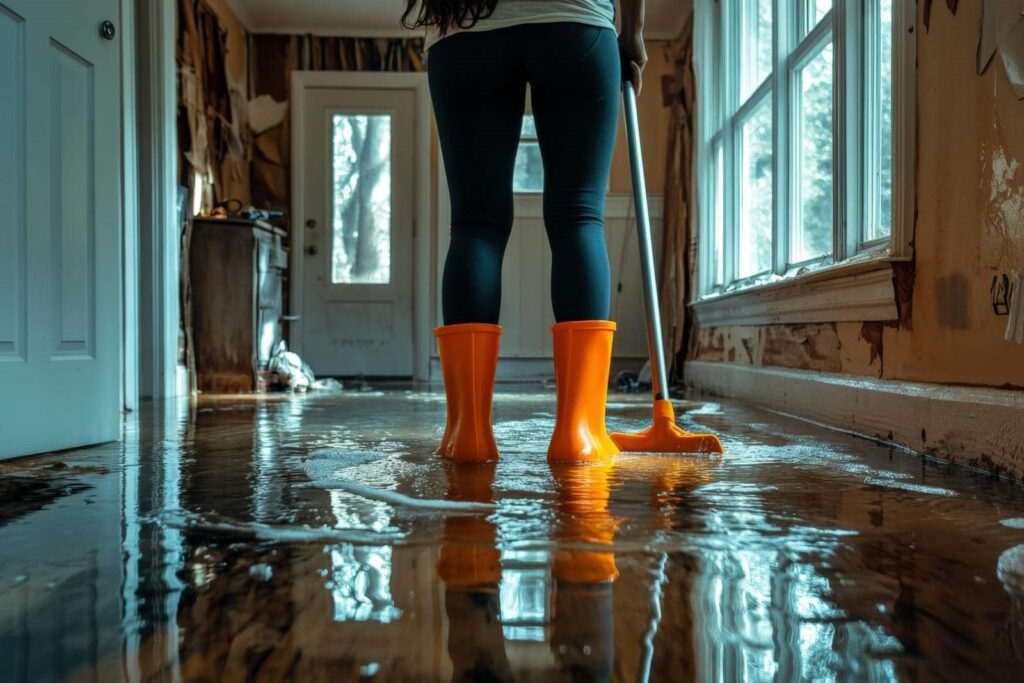
Begin by conducting a thorough damage evaluation, identifying the affected areas and the extent of the water intrusion. Check for structural damage, mold growth, and potential hazards like electrical risks.
Next, implement safety protocols to protect yourself and others. Wear appropriate personal protective equipment (PPE), such as gloves and masks, to minimize exposure to contaminants. Confirm your workspace is well-ventilated and that you’ve turned off electricity if water is present near outlets or appliances.
Assess the source of the water, whether it’s clean, gray, or black water, as this will dictate the restoration approach.
Immediate Water Extraction Techniques
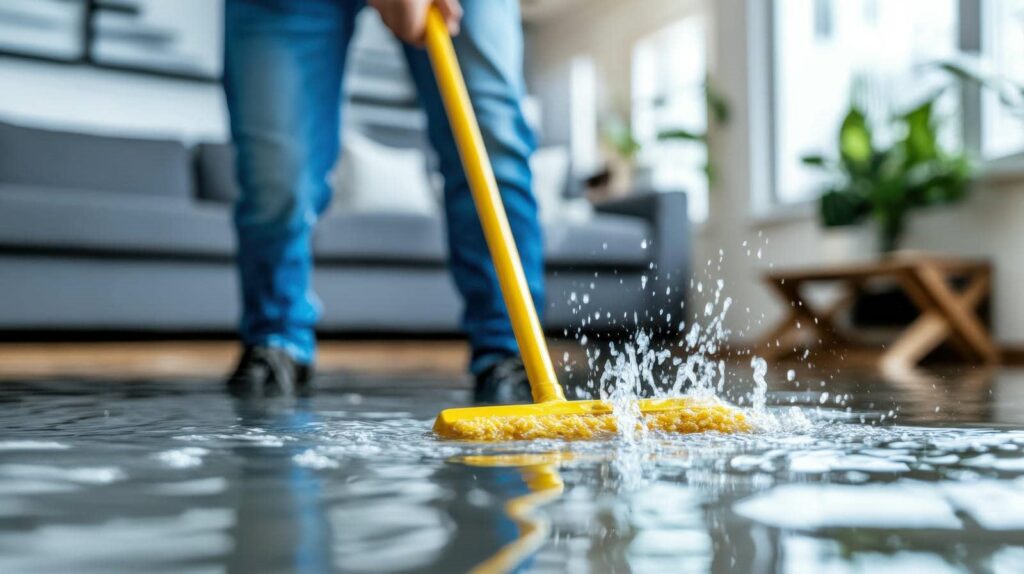
After evaluating the damage and confirming safety, the next step involves immediate water extraction. This process is essential for minimizing further damage.
Begin by utilizing high-powered pumps for effective water removal; these machines can quickly eliminate large volumes of water. For smaller areas, portable extraction units are useful, allowing you to maneuver easily and access tight spaces.
Next, verify you’re using wet/dry vacuums to address residual moisture. Their versatility makes them ideal for both large and minor leaks.
Always check the equipment for proper functionality before starting; effective equipment usage is crucial to the success of your water extraction efforts.
Drying and Dehumidification Methods
Effective drying and dehumidification are critical to preventing mold growth and structural damage after water intrusion.
You’ll want to implement these methods to ensure thorough moisture control:
Air Circulation: Use fans and blowers to enhance air movement. This helps evaporate moisture from surfaces quickly.
Dehumidifiers: Invest in commercial-grade dehumidifiers to extract excess humidity from the air, facilitating a dryer environment and reducing the likelihood of mold.
Temperature Regulation: Increase the temperature in the affected area to accelerate the drying process. Warmer air holds more moisture, aiding in evaporation.
Cleaning and Sanitizing Affected Areas
After addressing drying and dehumidification, it’s vital to focus on cleaning and sanitizing the affected areas to prevent further damage.
You’ll need essential cleaning supplies and effective disinfecting techniques to eliminate contaminants.
Additionally, implementing strategies to prevent mold growth will ensure the long-term integrity of the space.
Essential Cleaning Supplies
When tackling water damage restoration, having the right cleaning supplies is vital for efficiently sanitizing affected areas.
You’ll want to gather appropriate emergency supplies to ensure the process is both thorough and safe. Here are three key items to include in your cleaning equipment arsenal:
Heavy-duty disinfectant: This is essential for killing bacteria and mold that may develop after water exposure.
Industrial vacuum: A wet/dry vacuum helps remove excess water and debris quickly, preventing further damage.
Microfiber cloths: These are ideal for wiping down surfaces without leaving lint or residue.
Disinfecting Techniques
Disinfecting affected areas is essential in the water damage restoration process to prevent mold growth and ensure a safe environment.
Start by identifying appropriate disinfectant options, such as bleach solutions or EPA-registered disinfectants, ensuring they’re suitable for the materials in your space.
For effective surface sanitization, first clean the area to remove debris and dirt, then apply the chosen disinfectant according to the manufacturer’s instructions.
Allow adequate contact time for the disinfectant to work effectively before rinsing or wiping surfaces.
Don’t forget to focus on high-touch areas, as these are prone to contamination.
Preventing Mold Growth
Effective cleaning and sanitizing of affected areas is essential for preventing mold growth in spaces impacted by water damage. By following these steps, you’ll greatly reduce mold risk:
Use Mold-Resistant Materials: When repairing or rebuilding, opt for mold-resistant drywall and paints to inhibit mold development.
Implement Humidity Control: Maintain indoor humidity levels below 60% using dehumidifiers or air conditioning to create an unfavorable environment for mold spores.
Thoroughly Clean Surfaces: Utilize appropriate cleaning agents to sanitize surfaces, particularly in hidden areas like behind appliances or under carpets.
Mold Prevention and Remediation Strategies
Although moisture control is essential, understanding mold prevention and remediation strategies is equally important to protect your property. You need to recognize the mold lifecycle, which consists of spore dispersion, germination, and growth.
By maintaining low humidity levels (ideally between 30-60%), you can disrupt this cycle and limit mold development.
When mold is present, effective remediation techniques become vital. First, identify and eliminate the moisture source.
Then, use HEPA-filtered vacuums and air scrubbers to contain spores during the cleanup process. Wear proper protective gear to safeguard your health.
After removing contaminated materials, apply antifungal agents to inhibit future growth.
Finally, ensure thorough drying of all affected areas to prevent recurrence.
Repairing Structural Damage
When water damage compromises your property’s structural integrity, addressing the issue promptly is essential to prevent further deterioration.
Start by evaluating the damage and identifying affected areas. Then, follow these steps for effective repairs:
Remove Damaged Materials: Safely remove any compromised drywall, insulation, or flooring that can’t be salvaged. This step is imperative for preventing mold growth and further structural issues.
Select Appropriate Repair Materials: Choose high-quality, moisture-resistant repair materials. These could include treated lumber, mold-resistant drywall, or specialized sealants to ensure long-lasting repairs.
Reinforce Structural Components: After replacing materials, reinforce beams and supports as needed to restore the original structural integrity. This may involve adding brackets or using additional framing.
Long-Term Restoration and Prevention Measures
To ensure lasting protection against future water damage, implementing long-term restoration and prevention measures is essential.
Start with long-term planning; assess your property’s vulnerabilities and develop a thorough strategy. This includes regular inspections of roofs, gutters, and plumbing systems, making sure they’re in prime condition.
Next, focus on moisture control. Use dehumidifiers in high-humidity areas and ensure proper ventilation in attics and crawl spaces.
Installing sump pumps and drainage systems can effectively redirect water away from your property, reducing the risk of damage.
Consider waterproofing basement walls and sealing cracks to prevent water intrusion.
Additionally, landscaping should direct water away from your foundation.
Frequently Asked Questions
How Can I Identify Hidden Water Damage in My Home?
You can identify hidden water damage by using moisture detection tools to scan walls and floors. Look for signs like discoloration or mold, and investigate any areas with persistent dampness to find hidden leaks.
What Insurance Coverage Do I Need for Water Damage Restoration?
Nearly 14,000 people experience water damage daily. You need extensive water coverage in your policy, ensuring you understand your policy limits. This protects you from unexpected costs and helps maintain your home’s value during emergencies.
Are DIY Water Damage Restoration Methods Effective and Safe?
DIY water damage restoration methods can be effective but come with safety considerations. You must assess the extent of damage, use protective gear, and ensure proper drying techniques to prevent mold and further issues.
How Long Does the Water Damage Restoration Process Typically Take?
The water damage restoration process typically takes a few days to a couple of weeks, depending on the severity. You’ll experience a thorough drying process and a clear restoration timeline to guide your expectations.
What Are the Signs of a Professional Restoration Company?
You’ll know a restoration company’s professionalism when you see certification verification and positive customer testimonials. These indicators reflect their expertise, reliability, and commitment to quality, ensuring you’re choosing a trusted partner for your restoration needs.
Summary
Effective water damage restoration requires prompt action and methodical techniques. You might worry that these processes are overly complicated or costly, but swift intervention can save you from more significant expenses down the line. By following these steps—assessing damage, extracting water, drying, cleaning, and preventing mold—you’ll restore your space and safeguard it against future issues. Take control of the situation and ensure your home remains a safe environment for you and your family.