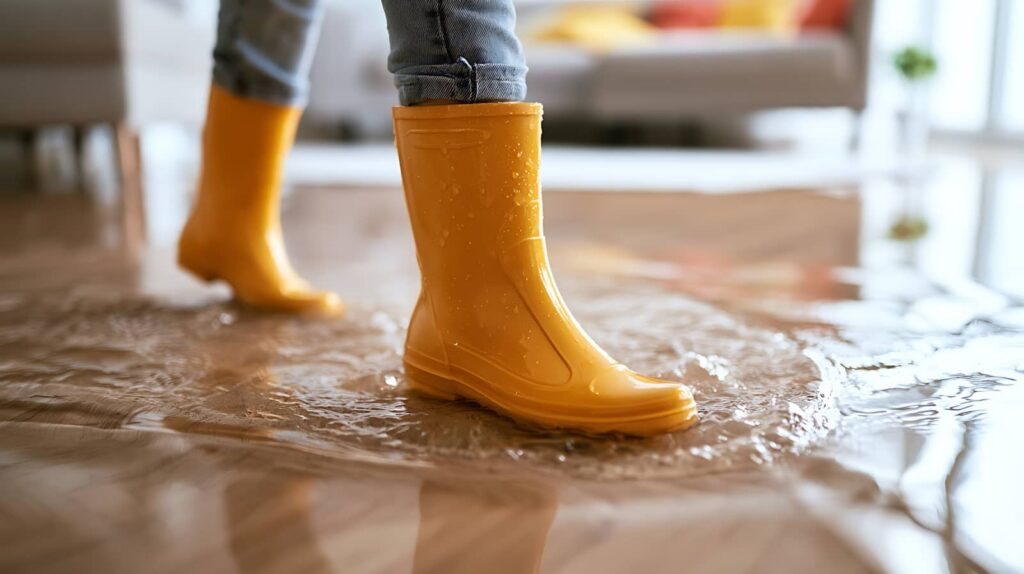
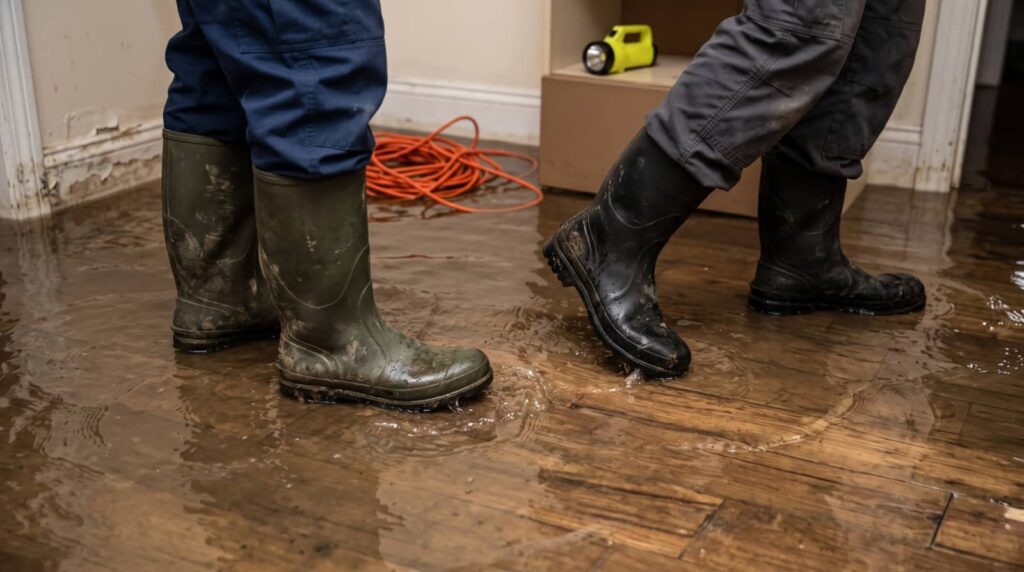
When faced with water damage, prompt mold removal is essential for your health and safety. You need to assess the extent of the damage, ensuring you wear protective gear before starting the cleanup. Drying out affected areas quickly is vital, as mold thrives in moisture. Identifying mold-prone areas can help you take the right steps in prevention. However, knowing when to tackle the problem yourself or call in professionals can make all the difference.
Key Takeaways
- Conduct a thorough assessment of affected areas to identify visible mold and moisture sources before starting the removal process.
- Ensure safety by wearing personal protective equipment and ensuring proper ventilation during mold cleanup.
- Use EPA-approved disinfectants specifically designed for mold removal, following the product instructions carefully.
- Utilize dehumidifiers and fans to dry out affected areas, reducing moisture levels and preventing further mold growth.
- Consider professional intervention for extensive mold issues to ensure safe and effective removal and prevent health risks.
Assessing the Extent of Water Damage
When you face water damage, evaluating the extent is vital to prevent mold growth and further structural issues.
Start with a thorough water damage assessment, which involves inspecting all affected areas, including walls, floors, and ceilings. Look for visible signs of moisture, such as discoloration or warping.
Next, conduct a moisture level evaluation using a moisture meter to determine hidden dampness that may not be immediately apparent. This step is essential, as even small amounts of moisture can lead to mold proliferation if left untreated.
Document your findings and identify the sources of water intrusion, whether from leaks, flooding, or condensation.
Ensuring Safety Before Starting Cleanup
Before you plunge into cleanup, ensuring safety is paramount, as exposure to mold and contaminated water can pose serious health risks.
Start by equipping yourself with personal protective equipment (PPE). This includes gloves, goggles, and an N95 respirator to help shield you from harmful spores and irritants.
Next, practice safe cleanup techniques. Make sure the area is well-ventilated; open windows and use fans if necessary. If the mold covers a large area, consider hiring professionals to avoid health complications.
Before you begin, check for any electrical hazards; never work in wet areas near outlets or appliances.
Always keep a first aid kit handy and know how to reach emergency services should an incident arise.
Drying Out Affected Areas Quickly
To effectively dry out affected areas after water damage, you need to use dehumidifiers strategically.
These devices help reduce moisture levels in the air, preventing mold growth.
Additionally, increasing air circulation through fans or open windows can greatly speed up the drying process.
Use Dehumidifiers Effectively
Using dehumidifiers effectively is essential for drying out areas affected by water damage, as they help reduce humidity levels and speed up the evaporation process.
To achieve ideal moisture control, set your dehumidifier to the appropriate settings based on the size of the space and the extent of the damage. For smaller areas, a lower setting might suffice, while larger or more severely affected spaces may require higher settings.
Make sure to check the water reservoir frequently and empty it as needed to maintain efficiency. Aim to keep indoor humidity levels between 30% and 60% to discourage mold growth.
Increase Air Circulation
Increasing air circulation is crucial for drying out areas affected by water damage quickly and effectively. By employing various airflow techniques, you can greatly reduce moisture levels and prevent mold growth.
Start by opening windows and doors to create cross-ventilation. If possible, utilize fans to enhance airflow, directing them towards damp areas.
Consider your ventilation systems; verify they’re operational and free from blockages. Using exhaust fans in bathrooms or kitchens can also help remove humidity.
Additionally, if you have access to industrial-grade air movers, they can expedite the drying process considerably.
Identifying Mold-Prone Areas
To effectively prevent mold growth, you need to identify areas in your home that are prone to moisture.
Common locations include basements, bathrooms, and kitchens, where humidity levels can rise considerably.
Additionally, understanding potential sources of water intrusion, along with ensuring proper ventilation, is essential for maintaining a mold-free environment.
Common Mold Locations
As you assess your home for mold after water damage, it’s important to focus on common mold locations where moisture tends to accumulate.
Start in basements and crawl spaces, as they often trap humidity, creating ideal conditions for various mold types.
Check behind appliances like refrigerators and washing machines, where leaks can occur.
Don’t overlook bathrooms, especially around sinks, tubs, and toilets, as these areas frequently experience water exposure.
Inspect window frames and door sills, where condensation can lead to mold growth.
Remember to examine your attic, particularly around vents and insulation.
Identifying these common locations will help you choose effective remediation methods tailored to each area, ensuring a thorough mold removal process in your home.
Humidity and Ventilation
Identifying mold-prone areas in your home requires a close look at humidity levels and ventilation. High humidity can create an inviting environment for mold, particularly in bathrooms, kitchens, and basements. Implementing effective humidity control measures, like using dehumidifiers, can greatly reduce moisture levels.
Additionally, consider your ventilation strategies. Make sure that exhaust fans are functioning properly, and that windows can open to allow fresh air circulation.
Checking attic and crawl space ventilation is essential as well; poor airflow can trap humidity, fostering mold growth. By actively monitoring humidity and enhancing ventilation, you can create a healthier living space and minimize the risk of mold, making your home a safer, more comfortable place for you and your loved ones.
Water Intrusion Sources
When evaluating your home for mold-prone areas, it’s crucial to pinpoint potential sources of water intrusion.
Start by inspecting your basement or crawl space, as these areas often suffer from flood damage. Look for signs of moisture on walls or floors and check for any standing water.
Next, examine your plumbing system for leaks; even small drips can lead to significant mold growth over time.
Don’t forget to assess your roof and gutters—clogs or damage can cause water to pool, increasing the risk of mold.
Finally, verify that windows and doors seal properly to prevent outside moisture from entering.
Using Effective Mold Removal Techniques
Effective mold removal techniques are crucial for restoring your home after water damage, especially since mold can pose serious health risks.
You’ll want to use proven mold cleaning methods and effective disinfectants to ensure thorough removal.
Here are some important steps to take into account:
Identify the affected areas: Locate all mold presence, including hidden spots like behind walls or under carpets.
Wear protective gear: Use gloves, masks, and goggles to protect yourself while cleaning.
Apply effective disinfectants: Use EPA-approved products designed for mold removal, making sure you follow the instructions carefully.
Maintain proper ventilation: Keep windows open and use fans to circulate air, helping to dry the area and prevent further growth.
Preventing Future Mold Growth
To prevent future mold growth, it’s essential to address the underlying causes of moisture in your home. Start by identifying and fixing leaks in pipes, roofs, or windows.
Make sure your home is well-ventilated, particularly in high-humidity areas like bathrooms and kitchens. Consider using mold-resistant materials for any repairs or renovations; they can greatly reduce your risk of mold development.
Regular inspections are critical. Check basements, attics, and crawl spaces for dampness or mold signs at least once a season. If you spot any issues, tackle them immediately to prevent escalation.
Additionally, maintain humidity levels below 60% using dehumidifiers or air conditioners.
When to Call in Professionals
How can you tell if the mold problem in your home is beyond your DIY capabilities? If you’re facing significant mold growth, it’s time to contemplate seeking expert intervention.
Here are some key signs that indicate you should call in professionals for a thorough assessment:
Extensive Coverage: Mold covers larger areas, especially over 10 square feet.
Persistent Odors: You notice musty smells that don’t go away with cleaning.
Water Damage: There’s ongoing water damage, indicating a possible underlying issue.
Health Issues: You or your family experiences allergy-like symptoms or respiratory problems.
In these situations, a professional assessment can identify the severity of the mold and ensure safe removal.
Don’t hesitate to reach out for expert intervention; it’s often the best way to protect your home and health. You deserve a safe living environment, and professionals can help you achieve that peace of mind.
Frequently Asked Questions
Can I Remove Mold Without Using Harsh Chemicals?
Yes, you can remove mold without harsh chemicals. Natural remedies like vinegar or baking soda are safe alternatives. They effectively kill mold and help you maintain a healthier environment for you and your loved ones.
How Long Does It Take for Mold to Grow After Water Damage?
Mold can start growing within 24 to 48 hours after water damage, depending on factors like humidity and temperature. Understanding this mold growth timeline helps you act quickly to prevent serious health risks and structural damage.
Are There Specific Tools Needed for Mold Removal?
You’ll need essential mold removal tools like scrapers, brushes, and vacuum cleaners. Don’t forget your safety equipment, such as gloves, masks, and goggles, to protect yourself while tackling mold effectively and safely in your environment.
Will Bleach Effectively Kill Mold on All Surfaces?
Bleach can be a powerful knight in shining armor against mold, but it doesn’t suit every surface. Its effectiveness varies; porous materials often resist it, while non-porous surfaces yield better results. Choose wisely for lasting safety.
Can Mold Exposure Cause Long-Term Health Issues?
Yes, mold exposure can lead to long-term health issues. You might experience mold symptoms like respiratory problems, allergies, or chronic fatigue. Understanding these health risks helps you prioritize a safe environment for yourself and loved ones.
Conclusion
As you tackle mold removal, remember that the threat isn’t just what you see; it’s lurking in hidden corners, waiting to resurface. Stay vigilant and follow these essential tips to ensure your space remains safe. But what if the mold keeps coming back, no matter what you do? That’s when you must consider calling in the experts. Don’t let mold take control—act decisively, and reclaim your home before it’s too late.