You’d be surprised how often emergency water damage strikes when you least expect it. When faced with such an emergency, knowing the right steps to take can make all the difference. From evaluating the damage to preventing mold growth, each action you take matters. Understanding these critical steps aids in recovery and minimizes further risks. Are you prepared to tackle the challenges that come with water damage restoration?
Key Takeaways
- Assess the damage immediately and document affected areas with photos for insurance claims.
- Turn off electricity and gas to eliminate hazards while addressing water damage.
- Remove standing water promptly using appropriate equipment and protective gear.
- Utilize dehumidifiers to lower humidity levels and prevent mold growth in affected areas.
- Contact a professional restoration service for expert assessment and effective damage mitigation.
Assess the Damage Immediately
When you experience water damage, it’s crucial to assess the situation immediately to minimize further issues. Start with a thorough damage evaluation. Identify the source of the water intrusion and determine the extent of the damage to walls, floors, and personal belongings.
Check for signs of mold growth, which can pose significant health risks. Prioritize homeowner safety by donning protective gear like gloves and masks, especially if you suspect contaminated water.
Next, document all affected areas with photographs for insurance claims. Make sure that you’re aware of structural risks, like sagging ceilings or compromised flooring, which may require professional assistance.
Your swift action can prevent additional problems, such as mold infestations or structural damage, saving you time and money in the long run. By taking these steps, you protect your property and safeguard the safety and well-being of everyone in your home.
Turn Off Electricity and Gas
Before you begin any restoration efforts, it’s vital to turn off the electricity and gas in your home to prevent potential hazards.
Water and electricity don’t mix, and energized circuits can lead to severe injuries. Locate your main electrical panel and shut off the power supply to affected areas. If you’re unsure, turn off the main breaker to ensure safety.
Next, find your gas shut-off valve, usually located near your gas meter. Turning off the gas is essential since leaking gas can create explosive conditions.
Follow safety precautions diligently—never use electrical devices or appliances while standing in water.
Once the utilities are off, you can confidently proceed with your emergency procedures, knowing you’ve minimized risks.
Prioritizing these steps protects you and fosters a sense of security for you and your loved ones during a crisis.
Contact a Professional Restoration Service
When facing water damage, contacting a professional restoration service is essential.
Their expertise in handling such situations ensures that your property is treated effectively and efficiently.
Additionally, their quick response time minimizes further damage, helping to restore your home promptly.
Expertise in Water Damage
Although you might be tempted to handle water damage yourself, contacting a professional restoration service is essential for effective recovery.
Experts in water damage possess the necessary training and equipment to assess the situation accurately and implement appropriate restoration techniques. They’ll address the immediate damage and help with water damage prevention strategies to mitigate future risks.
Professionals understand the complexities of moisture control, mold growth, and structural integrity, ensuring a thorough restoration process. Relying on their expertise means you can trust that your home will be restored safely and efficiently.
Ultimately, their involvement can save you time, reduce stress, and prevent further damage, allowing you to reclaim your space and peace of mind.
Quick Response Time
The speed at which you respond to water damage can greatly impact the extent of the destruction and the overall recovery process. By having a plan for emergency preparedness, you can ensure quick access to professional restoration services.
When water infiltrates your space, every minute counts. Contacting experts who specialize in water damage restoration allows them to assess the situation, extract water, and begin the drying process promptly. This quick response mitigates damage and helps prevent mold growth and structural issues.
Document the Damage for Insurance Claims
To successfully file an insurance claim, you need to document the damage thoroughly.
Start by taking clear photos of all affected areas and items, ensuring they capture the extent of the water damage.
Additionally, record detailed descriptions to accompany your images, as this information will support your claim and expedite the process.
Take Clear Photos
Capturing clear, detailed photos of the damage is essential for a successful insurance claim. Start by documenting every affected area, including walls, floors, and personal belongings.
Verify your photos are well-lit and focused, as this will help in your impact assessment. Take close-ups of specific damage, like mold growth or water stains, and wider shots to provide context.
Once you’ve taken your photos, organize them chronologically or by location for easier reference. This photo organization makes it simpler for both you and your insurance adjuster to understand the extent of the damage.
Record Detailed Descriptions
After you’ve taken clear photos, it’s time to record detailed descriptions of the damage. Documenting this information is essential for your insurance claims and helps streamline the recovery process.
Include specifics that highlight the extent of the water damage and any potential risks.
- Date and time of the water incident
- Source of the water (e.g., burst pipe, flooding)
- Areas affected (rooms, walls, flooring)
- Type of materials damaged (drywall, carpet, furniture)
- Immediate steps taken for water damage prevention
Being thorough in your descriptions aids in emergency preparedness and strengthens your case with the insurance company.
This proactive approach fosters a sense of community and support during challenging times.
Remove Standing Water Promptly
Removing standing water promptly is essential in mitigating water damage and preventing further issues like mold growth. When you encounter excess water in your space, swift action is vital.
Begin by evaluating the situation; if the water is minimal, you may use a wet/dry vacuum for effective water removal. For larger amounts, consider renting a submersible pump to expedite the process.
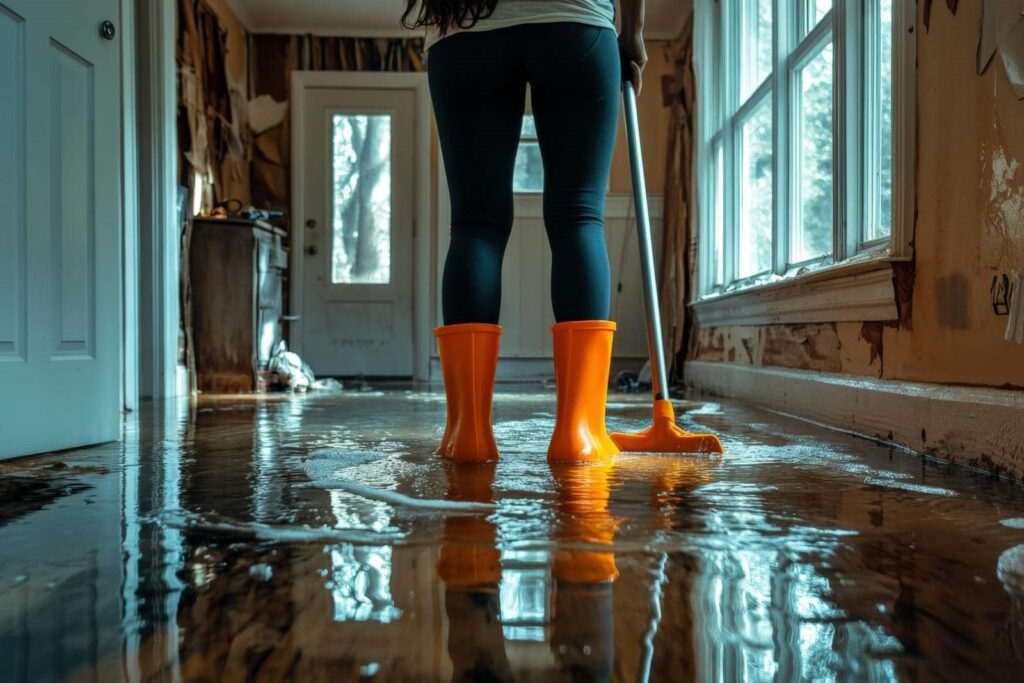
Ensure you’re wearing protective gear, as standing water can harbor contaminants. After water removal, inspect for hidden pockets of moisture, particularly in carpets and under flooring, which can lead to structural damage.
Time is of the essence—every hour counts in reducing potential damage and minimizing restoration costs. By addressing standing water immediately, you’re taking the first important step towards restoring your environment and safeguarding your belongings.
Prioritize this task to foster a healthier, safer living space for yourself and those around you.
Dry Affected Areas Thoroughly
After removing standing water, you need to dry the affected areas thoroughly to prevent mold growth.
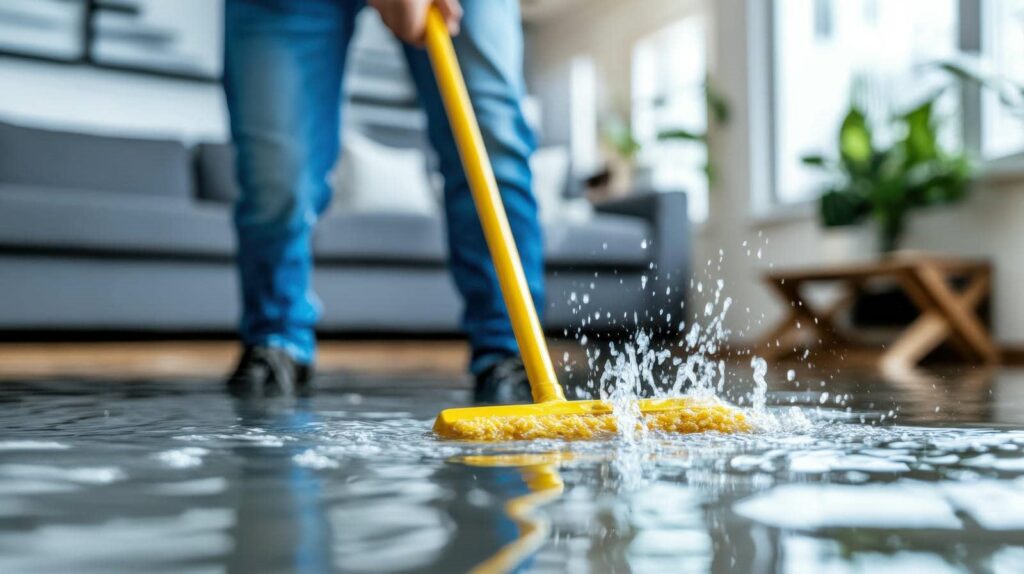
Start by quickly removing excess water with mops or wet vacuums, then use dehumidifiers to maintain low humidity levels.
Don’t forget to inspect for hidden moisture in walls and floors, as lingering dampness can lead to further damage.
Remove Excess Water Quickly
Since time is of the essence in water damage situations, acting quickly to remove excess water is crucial for minimizing long-term damage.
Utilize effective water removal techniques and emergency equipment to expedite the process.
Here are some key steps to follow:
Assess the affected areas to determine the severity of the water intrusion.
Use pumps or wet vacuums for efficient water extraction.
Employ absorbent materials, like towels or mops, to soak up residual moisture.
Open windows and doors to promote airflow and assist in drying.
Regularly check for hidden pockets of water, especially in walls and flooring.
Use Dehumidifiers Effectively
To effectively dry affected areas after water damage, using dehumidifiers is essential for reducing humidity levels and preventing mold growth.
Start by choosing the right dehumidifier for your space; larger areas may require multiple units. Focus on strategic dehumidifier placement: position them in the center of the affected area to maximize airflow and efficiency.
Make sure windows and doors are closed to prevent external humidity from disrupting your efforts. Monitor humidity levels regularly with a hygrometer, aiming for a range between 30-60%.
Run the dehumidifiers continuously until the area feels dry to the touch. By following these steps, you’ll create a safer environment and protect your property from further damage and mold issues.
Inspect for Hidden Moisture
Even with dehumidifiers working hard to remove moisture, hidden pockets of water can linger in walls, floors, and other surfaces.
To ascertain that your space is thoroughly dried, it’s crucial to conduct moisture detection and inspect for hidden leaks. Here’s what you can do:
- Use a moisture meter to identify damp areas.
- Check behind appliances and furniture where water may accumulate.
- Inspect baseboards and corners for signs of mold or softness.
- Look for discoloration on walls or ceilings, indicating potential leaks.
- Monitor your indoor humidity levels with a hygrometer.
Prevent Mold Growth
When water damage occurs, it’s vital to act quickly to prevent mold growth, as mold can begin to develop within 24 to 48 hours in damp environments.
Start by removing excess water using pumps or wet vacuums. Next, dry all affected areas thoroughly with fans and dehumidifiers.
For effective mold prevention techniques, make certain that you maintain a humidity level below 60% in your space. You can do this by utilizing humidity control methods such as air conditioners and desiccants.
It’s also important to inspect hidden areas like behind walls and under carpets, as these spots can trap moisture.
Consider using mold-resistant products when restoring your space.
Regularly check for leaks and maintain proper ventilation to further minimize mold risks.
Salvage and Clean Belongings
After addressing mold prevention, the next step involves salvaging and cleaning your belongings that may have been affected by water damage.
Quick action is essential to minimize loss, especially for water-damaged electronics and sentimental items.
Follow these steps to ensure your belongings are cared for properly:
Assess damage: Identify which items are salvageable and which are beyond repair.
Remove items: Take water-damaged items outdoors for better ventilation and drying.
Clean thoroughly: Use appropriate cleaning solutions to sanitize surfaces and materials.
Dry items: Utilize fans or dehumidifiers to accelerate the drying process, especially for electronics.
Store safely: Keep salvaged items in a dry, climate-controlled area to prevent future damage.
Repair Structural Damage
As you begin to repair structural damage caused by water, it’s important to prioritize safety and stability. Start by evaluating the extent of the damage to ensure the structural integrity of your home. Look for warped beams, weakened floors, and compromised walls. Document any issues for insurance purposes.
Employ effective repair techniques to address these concerns. Reinforce weakened structures with additional supports or braces. For damaged drywall, remove the affected sections and replace them with new materials, making sure of proper sealing to prevent future moisture infiltration.
If you encounter significant issues, consider consulting a professional contractor. They can provide expert guidance on more complex repairs and ensure compliance with local building codes.
Implement Preventive Measures for the Future
To prevent future water damage, it’s essential to implement a proactive maintenance plan for your home.
By focusing on regular maintenance and effective waterproofing solutions, you can protect your property and enhance its longevity.
Here are some key steps to contemplate:
- Inspect and clean gutters and downspouts regularly to ensure proper drainage.
- Seal any cracks in your foundation and walls to prevent water infiltration.
- Install sump pumps in basements to manage excess water during heavy rains.
- Check and maintain plumbing fixtures and appliances for leaks or signs of wear.
- Landscape your yard to direct water away from your foundation.
Taking these preventative measures safeguards your home from water damage and fosters a sense of belonging in your community.
Frequently Asked Questions
How Can I Prevent Water Damage in the Future?
To prevent water damage in the future, invest in effective waterproofing solutions and schedule routine maintenance for your plumbing and roof. Regular inspections and prompt repairs can greatly reduce the risk of unwanted water intrusion.
What Should I Do if I Can’t Find the Source of the Leak?
If you can’t find the source of the leak, don’t hesitate. Utilize leak detection technology or call in professional assistance. They’ll unravel the mystery, ensuring your home remains a safe haven, free from water woes.
Are DIY Restoration Methods Effective for Severe Water Damage?
DIY techniques can be risky for severe damage. While you might save money, improper methods often lead to further issues. It’s usually best to consult professionals who have the right tools and expertise for effective restoration.
How Long Does the Water Damage Restoration Process Typically Take?
You’d think water damage restoration would wrap up in a jiffy, but typically, the water damage timeline spans days to weeks. Each phase—assessment, drying, repairs—ensures thorough recovery, so patience is essential for lasting results.
Will My Homeowner’s Insurance Cover All Water Damage Repairs?
Your homeowner’s insurance may cover water damage repairs, but it depends on your policy’s specifics. Review your coverage carefully to understand what’s included, as certain causes might not be covered or have limits.
Final Thoughts
In emergencies, you need to act quickly, you need to stay safe, and you need to restore your home. By evaluating the damage, turning off utilities, contacting professionals, and documenting everything, you set the foundation for effective recovery. Removing standing water, preventing mold growth, salvaging belongings, and repairing structural issues are essential steps in the restoration process. Finally, implement preventative measures to safeguard your property against future water damage. Your prompt action today can save you time and stress tomorrow.