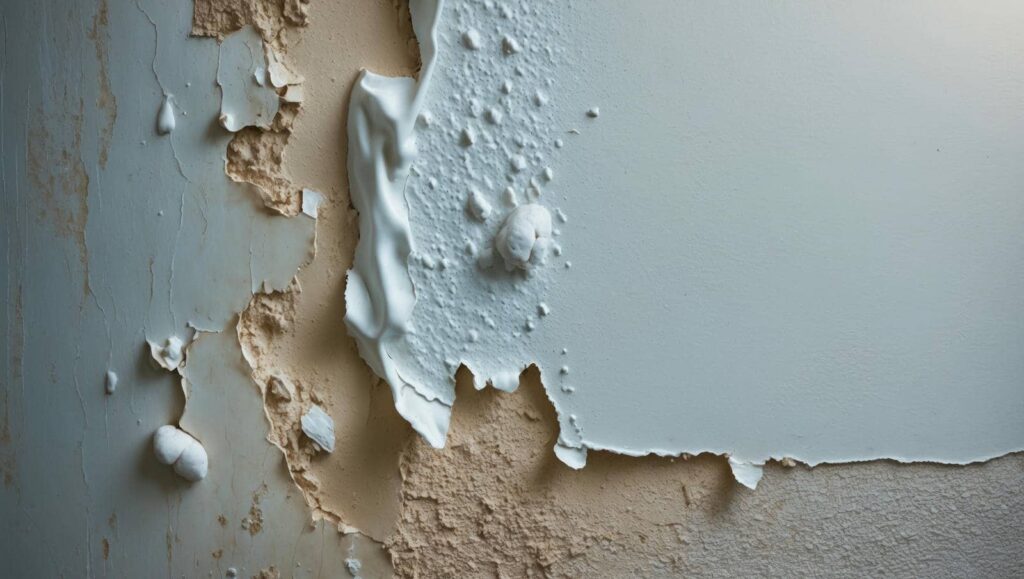
After flooding, your immediate actions can greatly impact mold prevention. It’s crucial to assess the damage quickly and address any standing water. You’ll need to ensure proper ventilation and start removing affected materials. Regular cleaning and monitoring moisture levels are fundamental, too. By following these steps, you can markedly reduce the risk of mold growth. But what specific methods should you employ to effectively tackle each of these tasks?
Key Takeaways
- Remove wet materials promptly, such as carpets and drywall, to prevent mold growth.
- Ensure proper ventilation by opening windows and using fans to promote air circulation.
- Utilize dehumidifiers to control humidity levels, aiming for below 60%.
- Regularly inspect high-risk areas like basements for signs of moisture and address issues immediately.
- Clean and disinfect surfaces with mold-resistant solutions to eliminate potential spores.
Assessing the Damage Quickly
As soon as the floodwaters recede, it’s crucial to assess the damage quickly to mitigate mold growth effectively.
Start by identifying areas affected by water damage, focusing on walls, floors, and furniture. Check for visible signs like discoloration or warping, which indicate moisture presence. Don’t forget to inspect hidden spaces, such as behind appliances or inside cabinets, where water may linger unnoticed.
Once you identify the damage, prioritize immediate actions. Remove any wet materials, including carpets and drywall, which can harbor mold spores.
Document the damage with photos for insurance claims, ensuring you have a clear record of the situation.
Ensuring Proper Ventilation
To effectively prevent mold growth after flooding, ensuring proper ventilation is essential. Good air circulation helps reduce humidity levels, which is vital in keeping mold at bay.
Start by opening windows and doors to allow fresh air to flow through your home. If the weather isn’t cooperating, consider utilizing fans to increase airflow.
Implementing effective ventilation strategies, such as using exhaust fans in bathrooms and kitchens, can also aid in removing excess moisture.
If you have an HVAC system, make sure it’s functioning properly and replace filters regularly to maintain ideal air quality.
For areas prone to dampness, like basements, installing dehumidifiers can be a game-changer.
Removing Standing Water
Once you’ve confirmed proper ventilation, the next essential step in mold prevention is removing standing water. Effective water removal techniques are vital in minimizing the risk of mold growth.
Start by using pumps or wet/dry vacuums to extract large volumes of water quickly. If you’re dealing with smaller amounts, mops and towels can help, but act swiftly—every minute counts.
Incorporate emergency response strategies by ensuring you have the right tools ready before a flood occurs. A well-prepared toolkit can make all the difference in your ability to respond effectively.
Don’t forget to check for hidden pockets of water in carpets, under furniture, or within walls, as these areas can harbor moisture, promoting mold growth.
Drying Out Affected Areas
After successfully removing standing water, the next step involves drying out affected areas to further reduce the risk of mold growth.
Begin by using fans and dehumidifiers to circulate air and lower humidity levels. Open windows and doors to enhance ventilation, if the weather permits. Pay special attention to hidden spaces like attics, basements, and behind walls where moisture can linger.
You should also remove soaked carpets, rugs, and furniture, as they can harbor dampness and promote mold growth. If possible, expose walls and floors to direct airflow for faster drying.
Monitor the humidity with a hygrometer; aim for levels below 60%.
Finally, remember that even minor water damage can lead to considerable mold issues if not addressed promptly. By prioritizing thorough drying, you greatly decrease your chances of mold infestation, creating a safer, healthier environment for you and your loved ones.
Cleaning and Disinfecting Surfaces
After flooding, it’s essential to clean and disinfect surfaces thoroughly to prevent mold growth.
Start by preparing the surfaces properly, removing any debris and dirt before applying cleaning solutions.
Choosing effective disinfectants will ensure that harmful microorganisms are eliminated, setting a solid foundation for mold prevention.
Surface Preparation Techniques
Effective cleaning and disinfecting surfaces is essential in preventing mold growth after flooding. Start with thorough surface cleaning to remove dirt, debris, and moisture. Use soap and water or a mixture of vinegar and water to clean affected areas.
Pay special attention to porous materials, as they can harbor mold spores. After cleaning, dry surfaces completely to limit moisture retention.
Consider applying mold-resistant coatings on walls and furniture to create a protective barrier against future mold growth. These coatings can be a vital step in safeguarding your home, making it less susceptible to mold infestations.
Effective Disinfectant Options
While it might seem straightforward, choosing the right disinfectant is essential for effectively cleaning surfaces after a flood. You’ll want to take into account both natural disinfectant options and chemical disinfectant alternatives to make sure you’re tackling any lingering pathogens.
Vinegar and hydrogen peroxide are excellent natural choices that can kill mold spores without harsh chemicals, making them safer for your environment. On the other hand, commercial chemical disinfectants, like bleach solutions, offer powerful options when used correctly. Always follow the manufacturer’s instructions for dilution and application.
Whichever route you choose, ensure proper ventilation and personal protective equipment to safeguard your health. Balancing effectiveness with safety will help you restore your space while fostering a sense of belonging in your home once again.
Using Dehumidifiers
Using dehumidifiers is one of the best ways to combat mold growth in your home following a flood. Proper dehumidifier placement is essential; you should position units in areas with high moisture levels, such as basements and living rooms. This ensures effective humidity control throughout your space.
Aim to keep indoor humidity below 60% to inhibit mold spores from thriving. Regularly monitor the humidity levels with a hygrometer, adjusting the dehumidifier settings as needed. Empty the water reservoir frequently or, if possible, use a continuous drainage option to keep the unit running efficiently.
In addition, make certain the dehumidifier’s filters are clean to maximize airflow and efficiency. Remember, this proactive approach helps prevent mold and creates a healthier living environment for you and your loved ones.
Taking these steps fosters a sense of belonging, as you actively protect your home.
Inspecting for Hidden Moisture
After a flood, it’s essential to check wall cavities and assess flooring materials for hidden moisture.
Moisture can linger in unexpected places, leading to mold growth if not addressed promptly.
Check Wall Cavities
Checking wall cavities for hidden moisture is vital after flooding, as trapped water can lead to mold growth and structural damage.
Start by removing any coverings to access the cavities. Inspect the wall insulation, since it can absorb and retain moisture, creating a perfect environment for mold. Use a moisture meter to accurately gauge the moisture levels within the walls. If you find high readings, you may need to remove and replace the insulation.
Additionally, confirm that moisture barriers are intact and functioning properly; these barriers are essential for preventing future water intrusion.
Assess Flooring Materials
Since flooring materials can harbor hidden moisture after a flood, it’s crucial to assess them thoroughly to prevent mold growth.
Different flooring types, like carpet, hardwood, and laminate, vary in moisture absorption, affecting their vulnerability. Start by checking for visible damage or warping. Use a moisture meter to detect hidden moisture in wood and concrete floors.
Pay close attention to seams and edges, as these areas are prone to water retention. If you find excessive moisture, consider removing the flooring to dry the subfloor.
Sealing Cracks and Openings
While addressing mold prevention, sealing cracks and openings in your home is vital. Mold thrives in damp environments, and any gaps can allow moisture and spores to enter.
Start with crack sealing in your foundation, walls, and around windows. Use high-quality sealants designed for outdoor conditions to ensure durability. Pay attention to areas where pipes and wires enter your home, as these openings can also be a source of moisture infiltration.
For opening repairs, inspect doors and windows for any gaps or damaged weather stripping. A tight seal keeps moisture out and helps maintain energy efficiency.
Regularly check these areas, especially after heavy rains or flooding. By taking these proactive steps, you’ll greatly reduce your risk of mold growth, creating a safer and healthier living environment for you and your family.
Monitoring Humidity Levels
After sealing cracks and openings in your home, the next step in mold prevention involves closely monitoring humidity levels. Effective humidity control is essential in preventing mold growth. Ideally, indoor humidity should remain between 30% and 60%. You can achieve this by using a hygrometer to regularly check moisture levels in your home.
If you find the humidity is consistently high, consider employing dehumidifiers or improving ventilation in damp areas like basements and bathrooms. Proper moisture management deters mold and enhances overall air quality, making your living environment healthier.
Additionally, verify that your home’s HVAC system is well-maintained, as a functioning system can greatly aid in regulating humidity levels.
Maintaining Regular Inspections
To effectively prevent mold growth after flooding, you should schedule routine inspections of your property.
This allows you to identify hidden moisture spots that can foster mold development.
Regular checks help ensure that you address potential issues before they escalate.
Schedule Routine Inspections
Scheduling routine inspections is essential for identifying potential mold growth before it becomes a significant issue. By establishing a clear inspection frequency, you can proactively address any signs of moisture or dampness that may lead to mold development.
Aim to conduct these inspections at least every three to six months, especially in areas prone to flooding. During each inspection, focus on high-risk areas like basements and crawl spaces, as well as any previously affected regions.
Don’t overlook the importance of documenting findings and addressing any concerns immediately. Consistent inspections help maintain a healthy environment and foster a sense of community well-being, ensuring you and your loved ones can thrive in a safe, mold-free space.
Identify Hidden Moisture Spots
While regular inspections are essential, identifying hidden moisture spots can be just as important in preventing mold growth. You should actively look for hidden leaks in areas like behind appliances, under sinks, and within walls.
Moisture detection isn’t just about what you can see; it’s about finding those elusive spots that can lead to bigger issues. Invest in moisture meters or infrared cameras to help uncover damp areas that your eyes might miss.
Remember to check basements and crawl spaces regularly, as they’re often breeding grounds for moisture accumulation. By staying vigilant and proactive, you can create a healthier environment for yourself and your loved ones, ensuring your home remains mold-free and inviting.
Frequently Asked Questions
How Long Does It Take for Mold to Grow After Flooding?
Mold can start growing within 24 to 48 hours after flooding. For effective flood recovery, you’ll want to act quickly by drying out the affected areas and following mold growth timelines to prevent further damage.
What Are the Health Risks Associated With Mold Exposure?
Mold exposure can lead to various health effects, including respiratory issues, allergic reactions, and skin irritations. You might experience mold symptoms like coughing, sneezing, and headaches, especially if you have existing respiratory conditions or allergies.
Can I Use Bleach to Kill Mold Effectively?
Imagine battling a persistent invader; bleach can weaken mold, but it isn’t always the hero. Its effectiveness varies, so consider proper mold removal methods alongside. Relying solely on bleach might leave you vulnerable to future attacks.
When Should I Call a Professional for Mold Removal?
You should call a professional for mold removal if you notice extensive growth, persistent odors, or health issues. Professional services can provide thorough mold inspection, ensuring your home’s safety and preventing future problems effectively.
What Insurance Covers Mold Damage From Flooding?
Most homeowners’ insurance doesn’t cover mold damage from flooding, but flood insurance often includes mold insurance. You should review your policy details to understand your coverage and ensure you’re protected against potential mold issues.
Summary
To prevent mold after flooding, act swiftly, ventilate properly, and remove moisture effectively. Clean surfaces diligently, inspect for hidden leaks, and seal any cracks. Monitor humidity consistently and maintain regular inspections to catch issues early. By following these essential steps, you protect your home and create a healthier living environment. Stay proactive, stay vigilant, and ensure a mold-free space for you and your loved ones. Your efforts now will pay off in the long run.