When faced with a water emergency, your first step involves evaluating the situation to understand the extent of damage. Quickly shutting off the main water supply can prevent further complications. From there, the focus shifts to removing standing water effectively. Each action you take is vital in minimizing damage and health risks, especially mold growth. However, knowing the right strategies is essential for a successful water cleanup. What comes next can greatly impact your recovery process.
Key Takeaways
- Conduct a thorough damage assessment to identify water intrusion sources and affected areas before initiating cleanup efforts.
- Shut off the main water supply to prevent further damage and localize any leaks effectively.
- Remove standing water quickly using wet/dry vacuums or submersible pumps to minimize damage and reduce mold risk.
- Clean and disinfect surfaces with EPA-approved products, ensuring the removal of dirt and potential contaminants.
- Inspect for mold growth and engage professional restoration services for hidden issues and accurate damage assessment.
Assessing the Situation
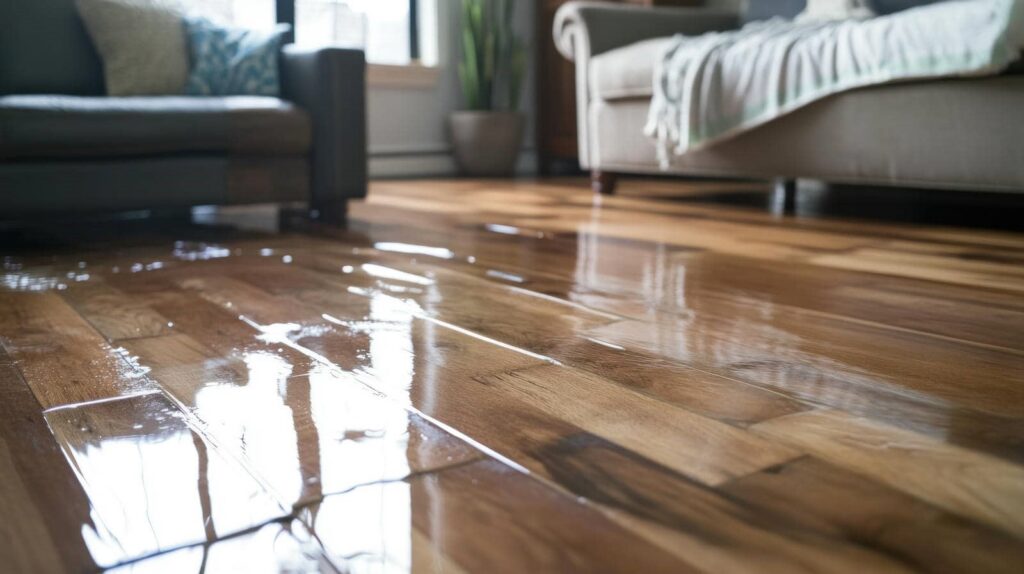
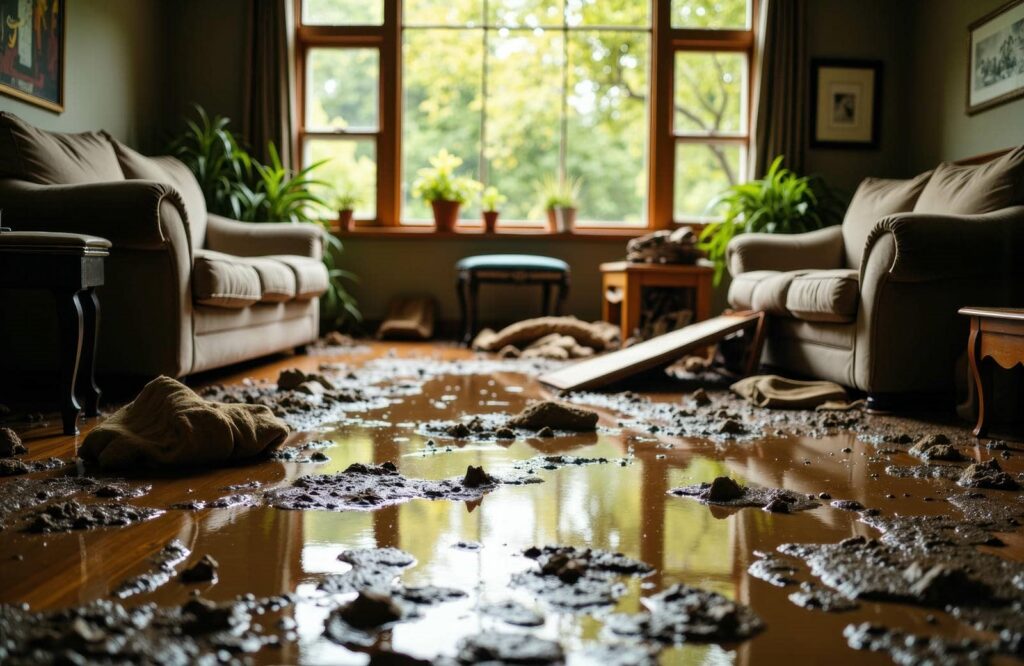
When faced with a water emergency, how do you determine the severity of the situation? Start by conducting a thorough damage assessment. Look for signs of water intrusion, such as damp walls, floors, or ceilings. Evaluate the source of the water—whether it’s clean, gray, or black water—as this impacts your emergency response strategy.
Next, consider the extent of the damage. Is it localized, affecting just a small area, or widespread? Assess whether any structural elements are compromised. You’ll also want to check for potential hazards, like electrical risks or mold growth, which can escalate the situation.
Document your findings meticulously; this information will guide your emergency response efforts and help in future planning. By understanding the severity, you can prioritize actions effectively, ensuring you address the most critical issues first and minimize further damage.
Shutting Off Water Supply
Once you’ve assessed the situation and determined the severity of the water intrusion, the next step is shutting off the water supply to prevent further damage.
Locate your main water valve, usually found near the foundation of your home or in the basement. It’s essential to know this shutoff location ahead of time, as it can save valuable moments during an emergency.
To shut off the water, turn the valve clockwise until it stops. If you’re dealing with a localized leak, find the specific valve for that area, like under sinks or behind toilets.
Removing Standing Water
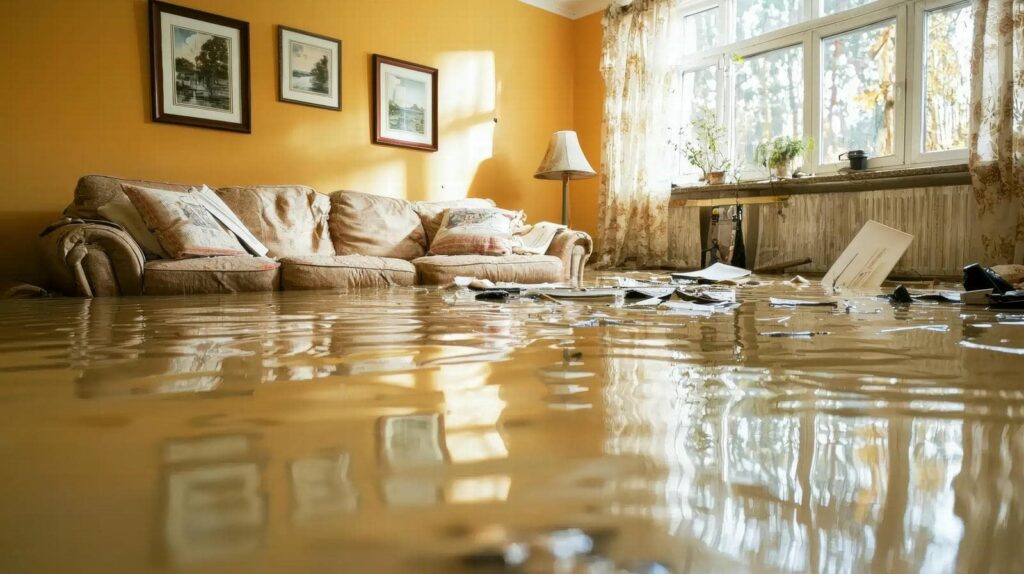
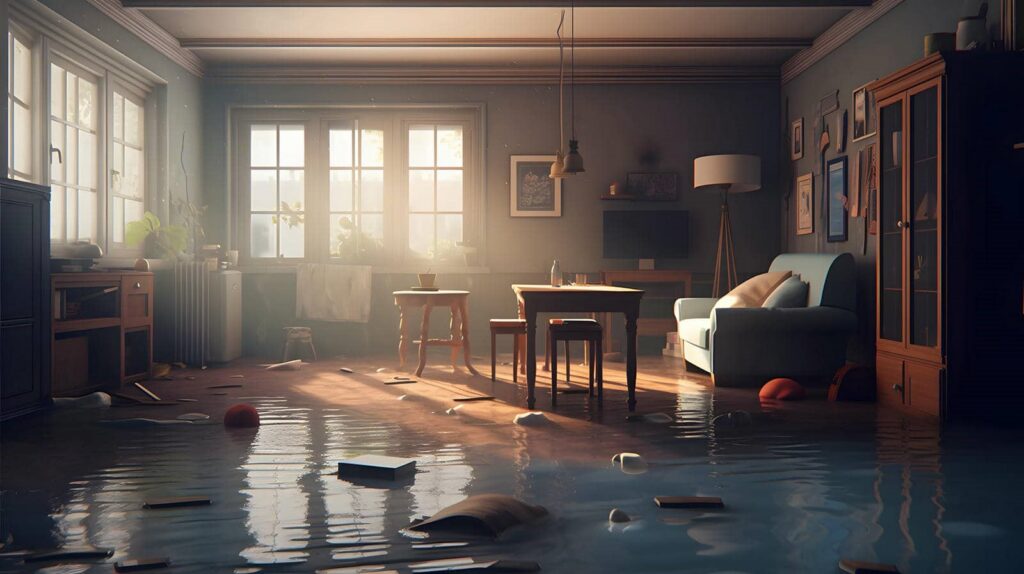
To effectively tackle standing water, begin by using a wet/dry vacuum, which can efficiently remove large volumes of water from your floors and carpets.
After addressing immediate hazards, consider these key water extraction methods to ensure thorough cleanup:
Pumps: For significant water levels, submersible pumps can quickly extract water, especially in basements.
Mops and Buckets: Once most water is removed, use mops and buckets to handle residual moisture and prevent standing water hazards.
Fans and Dehumidifiers: While not extraction methods, these tools help in drying out areas post-extraction, reducing the risk of mold growth.
Drying Out Affected Areas
Once you’ve removed standing water, it’s essential to focus on drying out the affected areas to prevent mold growth.
You should use dehumidifiers efficiently to reduce humidity levels and speed up the drying process.
Remove Standing Water
When you’re faced with standing water after an emergency, it’s essential to act quickly to minimize damage and prevent mold growth.
Here are three effective techniques to remove water efficiently:
Pumping Techniques: Use a submersible pump for larger areas. This method allows for rapid water extraction, reducing the risk of further damage.
Wet/Dry Vacuum: For smaller puddles, a wet/dry vacuum can be incredibly effective. Make sure to empty the tank regularly to maintain suction.
Brooms and Mops: After using pumps and vacuums, use brooms or mops to gather any remaining water.
Use Dehumidifiers Efficiently
After removing standing water, the next step is to effectively dry out the affected areas.
Using dehumidifiers is essential in this process. Start by adjusting the dehumidifier settings to match the size of the space; higher settings are typically more effective in larger areas.
Position the units strategically to ensure ideal airflow—this helps circulate dry air and expedite moisture removal. If possible, keep windows and doors closed to maximize efficiency.
Regularly check and empty the water tank to maintain performance.
Remember, a well-placed dehumidifier not only speeds up drying but also helps prevent mold growth, creating a healthier environment for you and your loved ones.
Prioritize these steps for a thorough and effective cleanup.
Salvaging Personal Belongings
Although the chaos of water damage can feel overwhelming, salvaging your personal belongings is an essential step in the recovery process. Your personal items often hold significant sentimental value, and quick action can make a difference in preserving them.
Here’s how to approach it:
Prioritize: Identify items that are irreplaceable, such as family photos, heirlooms, or important documents. Focus on salvaging those first.
Assess Damage: Carefully examine each item for water exposure. Some items may require special handling, especially electronics and textiles.
Drying Techniques: Use gentle methods to dry items, like air drying or blotting with clean towels. Avoid using heat sources, as they can cause further damage.
Cleaning and Disinfecting Surfaces
Once you’ve salvaged your personal belongings, the next step involves addressing the surfaces affected by water damage. Start by removing any standing water using a wet/dry vacuum or mop.
Then, focus on surface sanitization techniques to ensure cleanliness and safety. Clean surfaces with soap and water to remove dirt and debris, followed by a thorough rinse.
For effective disinfection, consult a disinfectant selection guide to choose an appropriate product. Look for EPA-approved disinfectants that are effective against bacteria and viruses. Apply the disinfectant according to the manufacturer’s instructions, making sure of adequate contact time for maximum effectiveness.
Don’t forget to wear protective gear, such as gloves and masks, while cleaning.
After disinfecting, allow surfaces to air dry completely. This process not only prevents further damage but also protects your health and well-being as you recover from the emergency.
Inspecting for Mold Growth
After a water incident, it’s essential to inspect for signs of mold growth, as mold can develop quickly in damp environments.
Look for discoloration, musty odors, and visible mold patches, which indicate contamination.
Understanding prevention techniques can help you avoid future mold issues and maintain a healthy space.
Signs of Mold Growth
When inspecting for mold growth, it’s essential to recognize the early signs that indicate a potential problem. Identifying these signs early can help you implement effective mold removal methods.
Here are three key indicators to look for:
Discoloration: Notice any black, green, or white patches on walls or ceilings.
Musty Odors: A strong, earthy smell often accompanies mold growth and can be a telltale sign.
Water Damage: Look for stains or warping, particularly in areas that have experienced water exposure.
Utilizing proper mold identification techniques is vital in tackling mold issues promptly and efficiently.
If you spot any of these signs, take action to mitigate the problem before it escalates.
Prevention Techniques Overview
Recognizing the signs of mold growth is just the first step in maintaining a healthy environment. To effectively prevent mold, you need to implement robust strategies.
Start by using waterproof materials in areas prone to moisture, like basements and bathrooms. This helps create a barrier against mold development.
Additionally, verify your drainage systems are functioning properly; they should direct water away from your home’s foundation. Regularly inspect these systems for blockages or leaks.
After any water cleanup, promptly dry affected areas and keep humidity levels in check.
Documenting Damage for Insurance
To ensure a smooth claims process, documenting damage from water emergencies is essential.
A thorough damage assessment supports your insurance claim and ensures you capture all necessary details.
Here’s how to effectively document the damage:
Take Photos: Capture clear images of the affected areas, including structural damage, personal belongings, and appliances.
List Damaged Items: Create a detailed inventory of all damaged items, noting their condition and estimated value.
Record Water Levels: Document the water level and any visible signs of moisture or mold, as this can impact your claim.
Consulting Professional Restoration Services
Engaging professional restoration services after a water emergency can greatly expedite your recovery process. With their restoration expertise, these professionals assess the damage more accurately than an untrained eye might.
A thorough professional assessment will identify hidden issues, such as mold growth or structural weaknesses, that you might overlook. By relying on trained specialists, you’re not just cleaning up; you’re ensuring that your home is safe and secure for you and your family.
They utilize advanced equipment and techniques tailored for effective water removal and drying, minimizing long-term damage. Moreover, working with professionals often simplifies the insurance claim process, as they provide detailed documentation and reports needed for your insurance provider.
This partnership fosters a sense of community, as you’re not steering through this stressful situation alone. Trusting restoration experts can make a significant difference in your recovery journey, allowing you to return to normalcy with confidence.
Implementing Preventative Measures
To effectively prevent water damage, you need to implement a few key strategies.
Regular maintenance checks on plumbing and appliances can identify potential leaks before they escalate.
Additionally, investing in waterproofing solutions and preparing an emergency kit will further safeguard your home against unexpected water issues.
Regular Maintenance Checks
While you mightn’t think about it often, conducting regular maintenance checks is essential for preventing water-related emergencies.
By incorporating proactive maintenance into your routine, you can greatly reduce the risk of damage.
Here are three key areas to focus on during your regular inspections:
Plumbing Systems: Regularly check for leaks or corrosion in pipes.
Roof and Gutters: Inspect for debris or damage that could impede water drainage.
Basements and Crawl Spaces: Monitor for moisture buildup and ensure proper ventilation.
Waterproofing Solutions
Implementing effective waterproofing solutions is essential for safeguarding your property against potential water damage.
Start by selecting high-quality waterproofing materials, such as membranes or coatings, that suit your building’s needs. Pay special attention to basement sealing, since basements are prone to moisture intrusion.
Make certain that any cracks or gaps in your foundation are professionally sealed to prevent leaks. Additionally, consider installing a sump pump to manage excess water effectively.
Regularly check drainage systems and gutters to divert water away from your home. By proactively addressing these vulnerabilities, you’re creating a resilient barrier against water damage, fostering a safer and more secure environment for you and your loved ones.
Emergency Kit Preparedness
Even with robust waterproofing measures in place, unexpected water emergencies can still occur, making emergency kit preparedness a key aspect of safeguarding your property.
You need to verify you’re ready with the right emergency supplies. Here’s a quick kit checklist to help you prepare:
Waterproof Storage: Keep essential items like flashlights, batteries, and first-aid supplies in waterproof containers.
Sanitation Essentials: Include items like disinfectants, gloves, and trash bags to maintain hygiene during cleanup.
Communication Tools: Have a battery-powered radio and backup chargers for your devices to stay informed.
Regularly review and update your kit checklists to verify you’re always equipped.
Being prepared protects your property and fosters a sense of community and safety.
Frequently Asked Questions
What Types of Water Damage Are Covered by Homeowners Insurance?
Homeowners insurance typically covers water damage from plumbing issues, like burst pipes. However, flood damage often requires separate flood insurance. Always check your policy specifics to understand what’s included and ensure you’re adequately protected.
How Long Does It Typically Take to Dry Out a Room?
Typically, it takes 24 to 48 hours to dry out a room, depending on moisture levels. Imagine the dampness evaporating, leaving a fresh space where you can breathe easily and feel at home again.
Can I Use Regular Household Cleaners for Water Damage Cleanup?
You can use regular household cleaners for minor water damage cleanup, but they might not effectively eliminate mold or mildew. Specialized products are often more reliable for thorough cleaning and ensuring a safe, healthy environment.
What Personal Protective Equipment Should I Wear During Cleanup?
You should wear gloves, goggles, and masks during cleanup. While it might feel cumbersome, following PPE guidelines ensures your safety. Embracing these measures enhances your confidence and sense of belonging in a safe environment.
How Can I Prevent Future Water Damage in My Home?
To prevent future water damage, install water detection systems and maintain moisture control. Regularly inspect your plumbing for leaks, ensure proper drainage, and use dehumidifiers in damp areas to safeguard your home effectively.
Final Thoughts
While tackling emergency water cleanup might seem overwhelming, following these effective strategies can greatly ease the process. Many worry that the damage is too severe to manage independently, but by promptly shutting off the water supply and removing standing water, you can minimize long-term issues. Remember, preventative measures can save you from future emergencies. By acting quickly and efficiently, you’re not just restoring your space; you’re safeguarding your home for the future.