When you face a leak, flood, or burst pipe, rapid water damage cleanup services step in to limit the damage before it spreads. You get fast water extraction, drying, and moisture control that help protect walls, floors, and contents from bigger repairs. The real question is how these teams work so quickly, and what they do in the first hours can change the outcome more than you might expect.
Key Takeaways
- Rapid water damage cleanup services provide immediate assessment, water extraction, and containment to stop damage from spreading.
- They remove standing water, saturated materials, and unsalvageable contents to protect clean areas and speed recovery.
- These services use drying equipment, fans, and dehumidifiers to control humidity and dry structures quickly.
- Fast cleanup helps prevent mold growth, reduce repair costs, and improve indoor air quality after leaks or floods.
- Professional teams document damage, monitor moisture levels, and restore walls, floors, and contents for a smoother repair process.
What Emergency Water Damage Cleanup Includes
Emergency water damage cleanup includes a rapid assessment of the affected area, extraction of standing water, and containment to prevent further spread.
You’ll see technicians document damage, identify moisture migration, and select water removal techniques suited to your structure and materials.
They’ll remove unsalvageable items, protect clean areas, and set up targeted drying equipment to control humidity and surface moisture.
You stay informed through clear communication, so you know what’s happening and what comes next.
Crews also check electrical hazards, sanitation concerns, and hidden water in walls or floors.
Strong emergency response preparedness helps your team act quickly, reduce disruption, and keep the space organized.
With a coordinated process, you’re not handling it alone—you’re supported by a trained crew focused on restoring safe conditions.
Why Fast Water Damage Cleanup Matters
When water sits too long, damage spreads fast through drywall, flooring, insulation, and structural framing, so quick cleanup matters.
You need rapid response because moisture keeps migrating, weakens materials, and raises restoration costs. Fast action also helps you protect indoor air quality by limiting conditions that support microbial growth.
With strong importance awareness, you can make better decisions early, reduce downtime, and keep your home or business stable.
When your team moves in quickly, you get a clearer path to drying, repairs, and a safe return to normal.
That speed matters because every hour counts, and you deserve a crew that works with you, communicates clearly, and treats your space like it belongs to a community that values care and reliability.
Signs You Need Emergency Water Extraction
You can spot the need for emergency water extraction by looking for standing water, fast-spreading dampness, and materials that stay saturated after a leak, flood, or burst pipe.
During a property inspection, watch for a water leak, signs of flooding, and any flood warning from local alerts. Use moisture detection to check walls, floors, and baseboards for hidden spread that raises cleanup urgency.
If you notice water contamination, treat the area as unsafe and follow safety precautions while you call for emergency response.
- Soft, swollen drywall
- Warped flooring or buckling tiles
- Musty odors after a pipe burst
- Electrical hazards near wet zones
These signs mean you’re dealing with conditions that need prompt action, and you’re not alone in responding quickly.
What Happens During the First Response
During the first response, you’ll get an immediate damage assessment to identify the affected areas, moisture spread, and safety risks.
The team will then control the water source, stop further intrusion, and protect the site from additional damage.
Next, they’ll set up emergency extraction equipment to remove standing water quickly and begin stabilizing the space.
Immediate Damage Assessment
The first response focuses on quickly identifying the source, extent, and severity of the water intrusion so the team can stabilize the property and prevent further loss.
You’ll see technicians begin damage evaluation with structured assessment techniques that map affected rooms, materials, and safety risks. They document findings so you stay informed and confident throughout the process.
- Inspect visible surfaces and hidden cavities
- Measure moisture in walls, floors, and insulation
- Classify affected materials by recoverability
- Record conditions for a clear action plan
This immediate assessment helps you understand what’s been impacted, what can be preserved, and where resources should go next.
Water Source Control
Once the initial assessment confirms the extent of the intrusion, technicians move immediately to stop the water at its source and limit additional damage. You’ll see them isolate fixtures, shut off supply valves, or coordinate with building systems so flow doesn’t continue.
This step protects your structure, contents, and safety while giving your crew room to work with confidence. They also verify whether the water source is clean, contaminated, or pressurized, because that affects damage prevention and the next response steps.
Emergency Extraction Setup
With the source contained, technicians set up emergency extraction right away to remove standing water before it spreads farther into flooring, subfloors, and wall cavities.
You’ll see crews map access points, protect safe walk paths, and position extraction equipment for fast coverage. They follow emergency protocols to isolate energized areas, verify moisture boundaries, and avoid pushing water into hidden spaces.
- Deploy truck-mounted or portable extractors
- Lift saturated carpets and pad
- Vacuum pooled water from edges and seams
- Document readings for your claim file
This first response reduces structural loading, limits microbial growth, and prepares your property for drying.
You’re not left guessing; you get a coordinated, technical process that helps your home recover quickly and keeps you informed every step of the way.
How Flood Cleanup and Water Removal Work
When floodwater enters a property, technicians first assess the source, extent, and contamination level so they can choose the right cleanup method. You’ll see them shut off affected utilities, protect safe access routes, and map every impacted area.
Then they use pumps, truck-mounted vacuums, and portable extractors to remove standing water from floors, cavities, and low spots. In the flood aftermath, they sort materials by salvageability, bag debris, and remove unsanitary contents to limit cross-contamination.
They also document readings and verify that moisture control targets are met at each stage. This process helps your property team stay coordinated, reduces secondary damage, and prepares the space for the next phase of restoration.
Drying Out the Property
After standing water is removed, technicians begin controlled drying to stop moisture from spreading through building materials.
You’ll see them set dehumidifiers, fans, and monitoring tools to create steady conditions that pull dampness out of walls, floors, and framing.
With precise moisture measurement, they track progress and adjust equipment as needed, so you’re never left guessing.
Airflow management matters too, because targeted circulation speeds evaporation without pushing humidity into unaffected rooms.
- Readings verify hidden damp spots
- Equipment placement improves drying efficiency
- Materials dry at different rates
- Regular checks keep the process on track
This method helps you stay informed and connected to the restoration plan, while your property returns to a stable, usable state.
How to Reduce Mold Risks After Water Damage
You can reduce mold risk by starting fast drying steps as soon as water damage occurs, including removing standing water and increasing airflow.
Use dehumidifiers, fans, and moisture meters to keep affected materials within safe drying thresholds.
If you act quickly and maintain dry conditions, you’ll limit the environment mold needs to grow.
Fast Drying Steps
Fast drying is one of the most effective ways to limit mold growth after water damage, because moisture left in walls, floors, or contents gives mold the conditions it needs to spread. You should act quickly and use quick drying techniques that match the material and extent of saturation.
- Remove standing water first
- Increase airflow with fans
- Run dehumidifiers continuously
- Use effective drying equipment to target hidden moisture
You’ll get better results when you lift wet items, open enclosed spaces, and monitor humidity as you dry.
Focus on consistent airflow instead of heat alone, since trapped moisture can linger inside structural cavities. If you stay organized and respond fast, you’ll protect your space and help your team recover with confidence.
Preventing Mold Growth
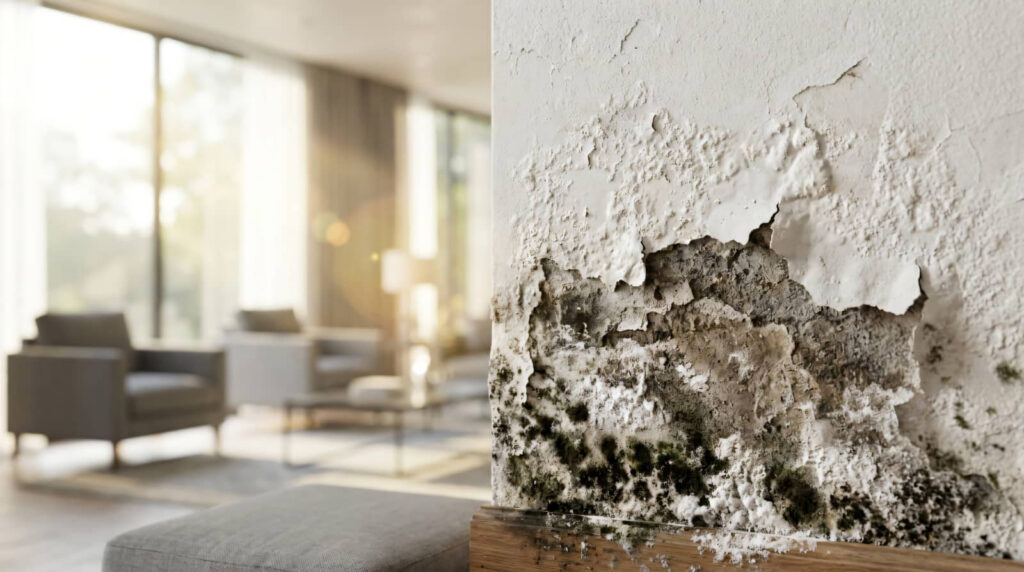
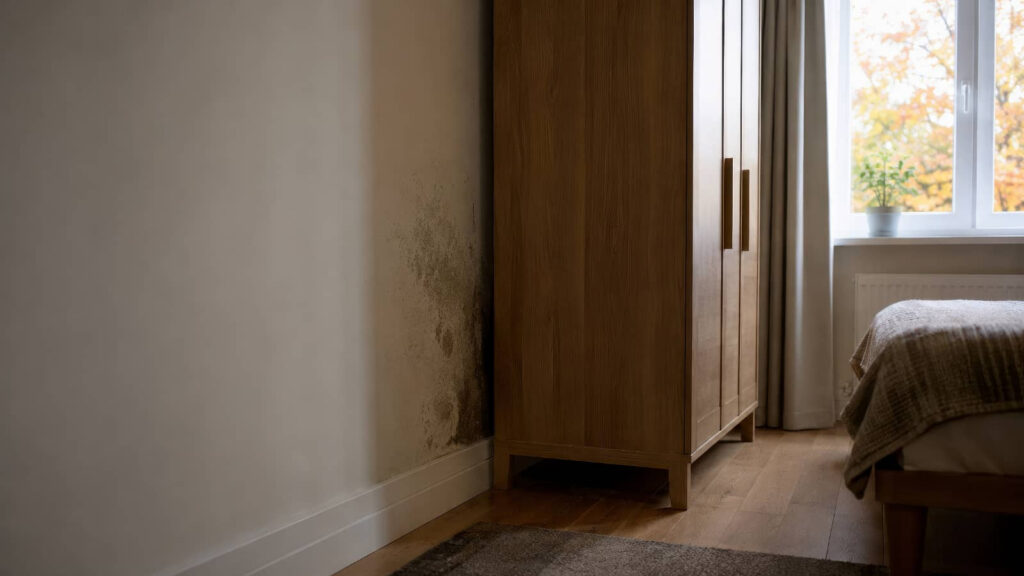
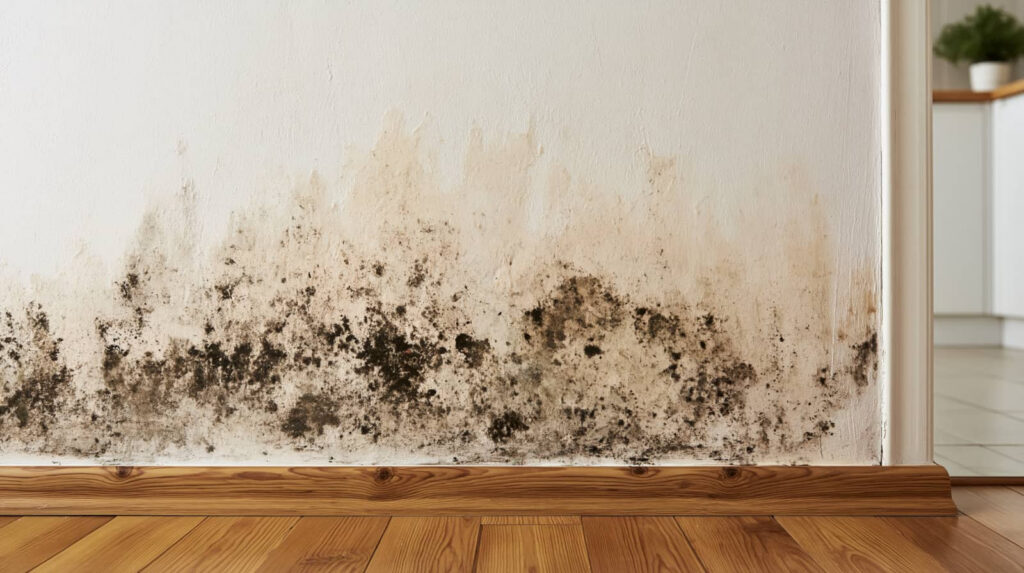
Preventing mold growth starts with eliminating moisture quickly, because mold can begin developing within 24 to 48 hours in damp conditions.
You should remove standing water, increase airflow, and keep humidity below 60% to protect your property and your team’s recovery effort.
Use effective drying techniques such as dehumidifiers, air movers, and targeted ventilation to dry hidden spaces behind walls, under flooring, and inside cabinets.
Inspect porous materials closely, since soaked insulation, drywall, and carpeting may need removal to stop contamination.
Follow mold prevention strategies by cleaning salvageable surfaces with appropriate antimicrobial products and monitoring moisture levels daily.
When you act fast and stay consistent, you reduce health risks, limit structural damage, and help your space feel safe again.
Repairing Walls, Floors, and Contents
Once drying and debris removal are complete, technicians can begin restoring walls, floors, and contents that the water compromised. You’ll see them assess damage, remove weakened materials, and plan wall restoration and flooring repair with precision.
They replace swollen drywall, treat framing for hidden moisture, and reset subfloors so your space feels sound again. For contents, they clean, sanitize, and sort salvageable items, helping you keep what still matters.
- Inspect structural surfaces for lingering moisture
- Remove unsalvageable finishes and base materials
- Repair or replace damaged flooring sections
- Clean, deodorize, and document contents
This process helps you regain a safe, familiar environment while keeping repairs efficient and professional.
How Commercial Water Damage Restoration Handles Large Losses
When you face a large commercial loss, you first need a detailed assessment to map the affected areas, classify damage, and prioritize critical systems.
You then deploy industrial drying methods, such as high-capacity air movers, desiccant dehumidifiers, and moisture monitoring, to control loss and stabilize the structure.
This approach helps you reduce downtime and support a faster return to operation.
Large Loss Assessment
A large-loss assessment starts with a rapid, site-wide evaluation of the affected structure, building systems, and contents to determine the full extent of water intrusion and the safest path to recovery.
You get a clear snapshot of the large loss, so your team can act together with confidence and shared priorities.
- Document visible damage and hidden moisture risks
- Map affected zones for phased response
- Identify structural, electrical, and access concerns
- Record data that supports insurance claims
You’ll also receive a prioritized scope that helps align field crews, managers, and adjusters.
This early coordination reduces confusion, protects critical assets, and keeps everyone working from the same facts.
When you know what’s affected and what isn’t, you can move forward as one prepared team.
Industrial Drying Methods
Industrial drying methods use high-capacity air movers, low-grain refrigerant dehumidifiers, desiccant systems, and targeted heat to remove moisture quickly from building materials, equipment, and structural cavities after a large loss.
You’ll see crews map wet zones, set drying goals, and monitor temperature, humidity, and material moisture each shift.
These industrial dehumidification techniques help you limit secondary damage, reduce corrosion, and support faster reentry.
With advanced drying equipment, teams can pull vapor from hidden spaces in walls, floors, and ceilings while keeping airflow balanced.
You’re not left guessing; technicians adjust settings based on readings, so your site stays on track.
This process gives your team a dependable path back to normal operations with less downtime and clearer communication throughout the restoration effort.
How To Choose The Right Water Damage Team
Choosing the right water damage team starts with verifying that they respond quickly, use proven drying and extraction methods, and can document the full scope of the damage.
You should confirm they assess moisture migration, map affected materials, and explain their restoration techniques clearly. That helps you feel confident your home’s recovery is in capable hands.
- 24/7 dispatch and fast arrival
- Certified technicians with moisture meters
- Written scope, timeline, and pricing
- Clear communication during every stage
Ask whether they handle water damage from clean, gray, and black sources, and whether they coordinate with your insurer.
A strong team will protect structural materials, reduce secondary loss, and keep you informed so you can move forward with the right support.
Frequently Asked Questions
Do Emergency Cleanup Crews Handle Sewage Backups Too?
Yes, they do. You’ll usually get emergency response for sewage backups, including sewage contamination containment, extraction, sanitization, and drying. You can rely on trained crews to protect your property and restore safe conditions quickly.
Is Rapid Water Damage Cleanup Covered by Homeowners Insurance?
Yes, your homeowners policy may cover rapid water damage cleanup, but insurance coverage depends on the source, cause, and policy exclusions. You should document damage, contact your insurer quickly, and confirm approved remediation limits.
Can I Stay in My Home During the Cleanup Process?
You can stay only if technicians confirm it’s safe; many water-damaged homes need temporary relocation. Your cleanup duration depends on contamination, and you’ll need strict safety precautions, plus a cleared, ventilated area.
How Quickly Should Water-Damaged Carpets Be Removed?
You should remove water-damaged carpets within 24 to 48 hours to support carpet drying and mold prevention. Acting quickly helps you protect your home, reduce odors, and keep your space safe, clean, and welcoming.
Will My Belongings Need Professional Cleaning After Flooding?
Yes, you’ll likely need professional cleaning for your personal items after flooding. Flood recovery requires rapid assessment, disinfection, and drying to prevent mold, odors, and contamination, especially on porous belongings, electronics, textiles, and valuables.
Summary
Rapid water damage cleanup services help you act fast when water threatens your property. In fact, the EPA notes that mold can begin growing within 24 to 48 hours after water exposure, so every minute counts. When you call a qualified team, you speed up extraction, drying, and restoration while reducing structural damage and health risks. If you want to protect your home or business, you need immediate, professional response.