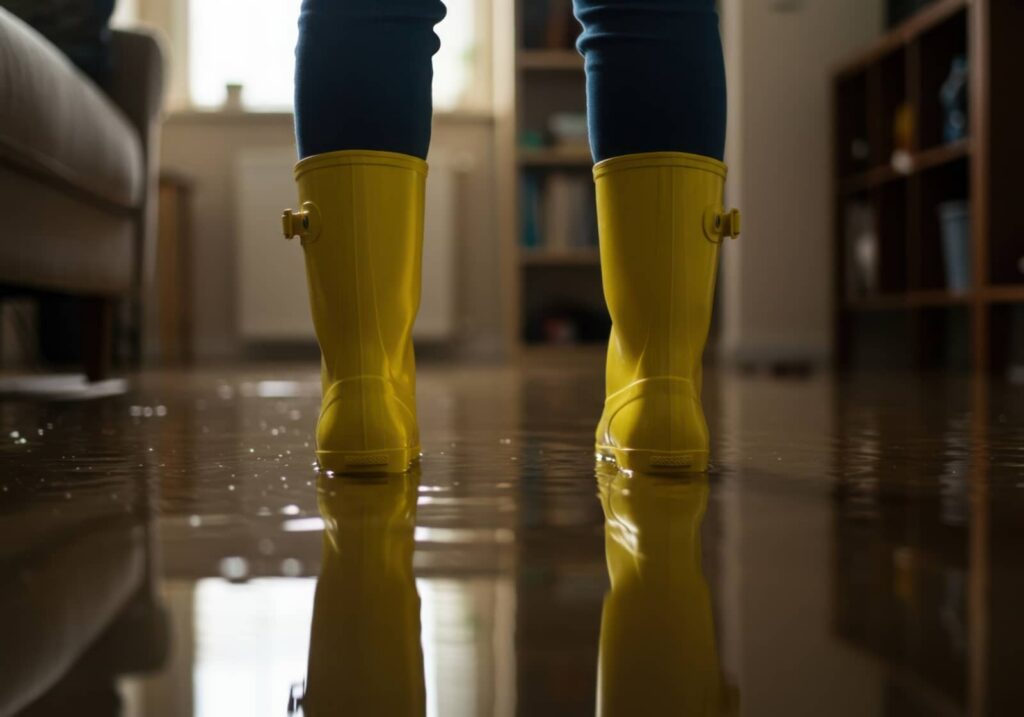
Imagine you’ve just discovered water pooling in your basement after a heavy rain. It’s a stressful situation, but you can tackle it effectively with the right approach. Affordable Water Removal starts by evaluating the damage, identifying the water source, and using smart strategies such as a wet/dry vacuum, pumps, fans, or a dehumidifier when appropriate. Protect valuables, document the damage, and monitor affected areas as they dry to help prevent future issues. For extensive flooding, contaminated water, or moisture trapped inside walls and flooring, professional water removal may be the safest option.
Key Takeaways
- Use towels and mops for initial water absorption; replace them frequently for better efficiency.
- Invest in a budget-friendly wet/dry vacuum to enhance water removal in larger areas.
- Create airflow by opening windows and using fans to expedite the drying process.
- Hang wet items outside to utilize natural sunlight and wind for drying.
- Regularly inspect and maintain equipment like dehumidifiers to ensure effective water removal when needed.
Assess Your Water Damage: Start Here
When you discover water damage in your home, the first step is to assess the extent of the problem. Identify the water source—whether it’s a leaking pipe, roof issue, or flooding—to understand the severity.
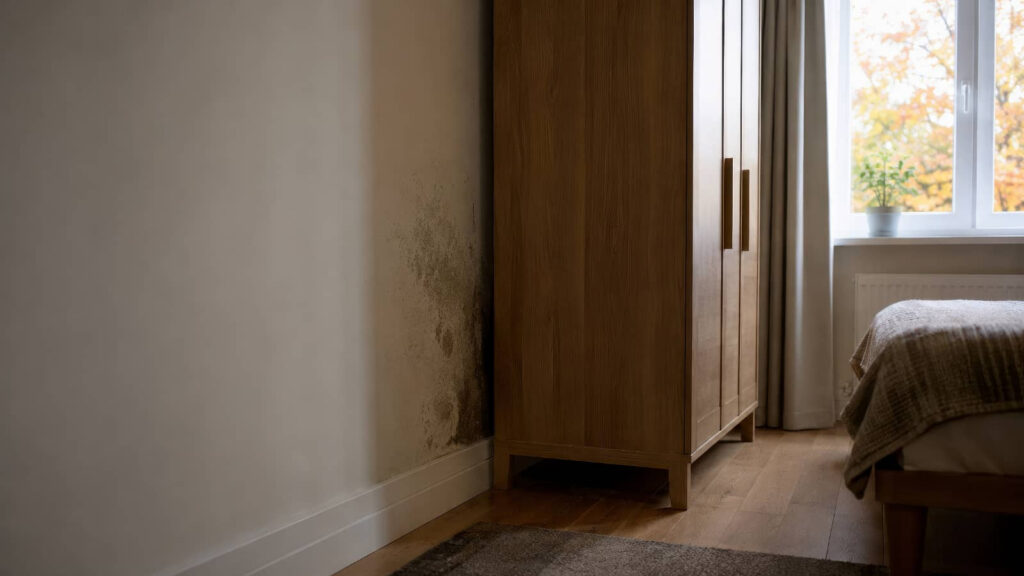
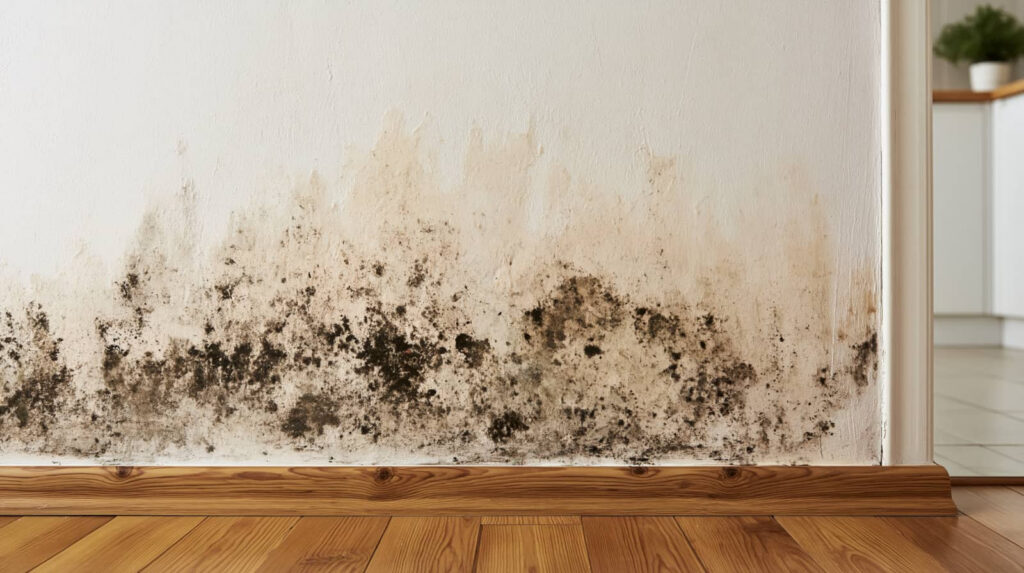
Begin your damage assessment by checking visible areas like walls, ceilings, and floors. Look for discoloration, warping, or mold, as these are clear indicators of moisture.
Don’t forget to inspect hidden spots, such as basements and crawl spaces. Document everything with photos for future reference and to assist with insurance claims.
Knowing the scope of the damage helps you decide on the best course of action. Being thorough in your assessment protects your home and gives you a sense of control in a stressful situation.
Try DIY Water Removal Methods
When tackling water removal, you can start with simple DIY methods that are both effective and affordable.
Utilize towels and mops to absorb excess water, and consider using a wet/dry vacuum for more extensive damage.
Additionally, creating airflow circulation helps speed up the drying process, making your efforts more efficient.
Utilize Towels and Mops
Tackle water removal efficiently by using towels and mops, which can be your first line of defense against minor flooding. Employing effective towel techniques can greatly speed up the process.
Start by soaking up as much water as possible with absorbent towels; wring them out frequently and replace them as needed. For larger areas, mop methods come into play. Use a mop to cover more ground quickly, ensuring you keep the mop head clean for ideal absorption.
By alternating between towels and mops, you’ll maximize your efforts and minimize water damage. Remember, the sooner you act, the better your chances of preventing long-term issues.
With these simple tools, you can take control and protect your space.
Employ Wet/Dry Vacuum
A wet/dry vacuum can be an invaluable tool for effective water removal, especially in larger spaces affected by flooding. These vacuums combine powerful suction with versatility, making them ideal for various surfaces and debris types.
Look for essential wet vacuum features, such as a robust motor, multiple attachments, and easy-to-empty tanks, to maximize efficiency.
When using your wet/dry vacuum, make sure you follow proper vacuum maintenance practices. Regularly clean the filters and check for blockages to maintain peak performance. This extends the life of your vacuum and ensures it operates efficiently during critical moments.
Create Airflow Circulation
Boosting airflow circulation is essential for effective water removal, especially in damp environments. You can implement several airflow techniques to speed up the drying process.
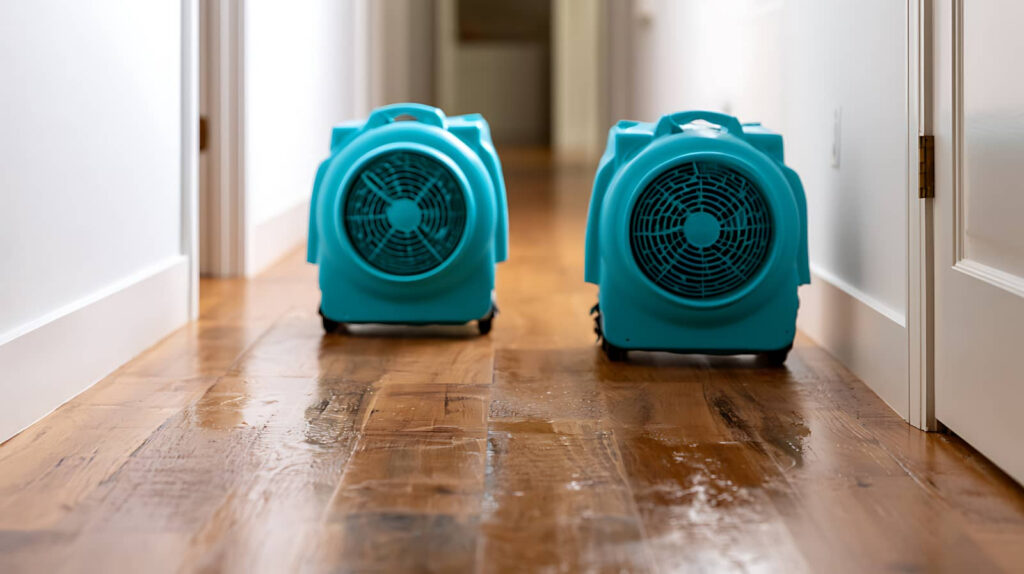
Start by opening windows and doors to create a cross breeze. If possible, use fans to enhance circulation; placing them strategically can make a significant difference. Ceiling fans, box fans, or oscillating fans can all help distribute air evenly.
Additionally, consider using a dehumidifier to reduce moisture levels in the air, which supports your circulation methods.
Remember, maintaining airflow helps dry wet areas faster and prevents mold growth, ensuring a healthier living space.
Invest in Affordable Water Removal Equipment
While you might think professional water removal services are your only option, investing in affordable water removal equipment can save you time and money.
There are numerous budget-friendly options available that can effectively tackle water damage in your home. Consider purchasing essential water removal tools like wet/dry vacuums, pumps, and dehumidifiers.
These tools help you respond quickly to water issues and empower you to manage future incidents. By having the right equipment, you can take control of your home environment, fostering a sense of belonging and security.
Plus, owning these tools means you won’t have to rely on costly services each time a problem arises, giving you peace of mind.
Use Natural Drying Techniques
Harness natural drying techniques to effectively mitigate water damage without incurring high costs. By utilizing air drying and natural dehumidifiers, you can reduce moisture levels efficiently.
Here are some practical methods:
- Open windows: Increase airflow to help moisture escape.
- Use fans: Circulate air to speed up the drying process.
- Hang wet items outside: Sunlight and wind work as natural dehumidifiers.
- Create cross-ventilation: Position fans to draw air from one side of the room to the other.
These strategies save you money and enhance the overall drying experience.
Implementing these natural techniques fosters a sense of community, as you share knowledge and practical solutions with others facing similar challenges.
Tap Into Local Community Resources for Support
Tapping into local community resources can greatly ease the burden of water removal challenges. By leveraging community partnerships, you can access tools and support that might otherwise be out of reach.
Local organizations often provide resources like pumps, dehumidifiers, or even volunteer assistance for those in need. Engaging in resource sharing fosters a sense of belonging, connecting you with neighbors who understand your situation.
Consider reaching out to community centers, religious groups, or local charities that may offer aid during emergencies. Joining social media groups focused on your area can also lead to valuable tips and connections.
When to Call in the Pros
If you notice signs of severe damage, like warped floors or mold growth, it’s time to contemplate professional help.
Persistent moisture issues can lead to health risks and further structural problems if not addressed promptly.
Recognizing these indicators early can save you time and money in the long run.
Signs of Severe Damage
When water damage becomes severe, recognizing the signs early can save you from extensive repairs and costly bills. Look out for these critical indicators:
- Water stains on walls or ceilings
- Ceiling damage that suggests leakage
- Foundation cracks signaling structural integrity issues
- Mold growth indicating persistent moisture sources or hidden leaks
Ignoring these flood indicators can lead to further deterioration and costly repairs.
If you notice any of these signs, it’s time to call in the pros. They can assess the situation thoroughly, ensuring you address the root of the problem before it escalates.
Don’t let minor issues turn into major headaches; being proactive now can protect your home and your wallet in the long run.
Persistent Moisture Issues
While addressing persistent moisture issues might seem manageable at first, ignoring them can lead to more serious problems.
If you notice ongoing humidity levels that feel excessive or if you can’t pinpoint moisture sources like leaks or condensation, it’s time to contemplate professional help.
These experts can identify hidden issues that may not be apparent to you, such as mold growth or structural damage. They also have the tools to effectively manage and mitigate high humidity levels in your home.
By calling in the pros, you protect your living space and safeguard your family’s health and comfort.
Prioritizing these issues now can save you from costly repairs and maintain the welcoming atmosphere you desire.
Prevent Future Water Damage
To effectively prevent future water damage, it’s crucial to address potential vulnerabilities in your home. Start by evaluating your property’s drainage solutions. Make sure gutters are clean and downspouts direct water away from the foundation.
Implement waterproofing techniques in basements and crawl spaces to create a barrier against moisture intrusion. Regularly inspect plumbing for leaks and address them promptly to avoid costly repairs later.
- Install a sump pump for added protection.
- Use moisture-absorbing materials in high-humidity areas.
- Seal cracks in walls and foundations.
- Landscape your yard to promote proper drainage.
Frequently Asked Questions
How Can I Identify Hidden Water Damage in My Home?
You can identify hidden water damage by using moisture detection tools and inspecting for hidden leaks. Check walls, ceilings, and floors for discoloration or musty odors, which often indicate underlying moisture issues needing immediate attention.
What Are the Risks of Delayed Water Removal?
Delaying water removal can lead to serious risks, like mold growth and structural damage. Can you imagine your home deteriorating over time? Acting quickly protects your space and ensures a healthier environment for you and your loved ones.
Are There Insurance Options for Water Damage Coverage?
Yes, there are insurance options for water damage. You can explore homeowners’ policies that often cover water damage claims, or consider separate flood insurance for specific risks. Always review your policy’s coverage limits and exclusions carefully.
How Do I Choose a Reliable Water Removal Service?
To choose a reliable water removal service, start by researching service reviews. Look for companies specializing in water extraction with positive feedback, ensuring they’re certified and experienced. Trustworthy services can make all the difference during emergencies.
Can I Use Fans for Water Removal Effectively?
Yes, you can use fans effectively for water removal. Focus on strategic fan placement and airflow strategies to maximize drying. Position fans to create cross-ventilation, ensuring moisture evaporates quickly and efficiently from affected areas.
Recap
Taking proactive steps for water removal can save you time and money. By evaluating your situation, employing DIY methods, and investing in affordable equipment, you can effectively manage water issues. Utilizing natural drying techniques and community resources further enhances your approach. Remember, prevention is key to protecting your home and ensuring peace of mind against future water damage.