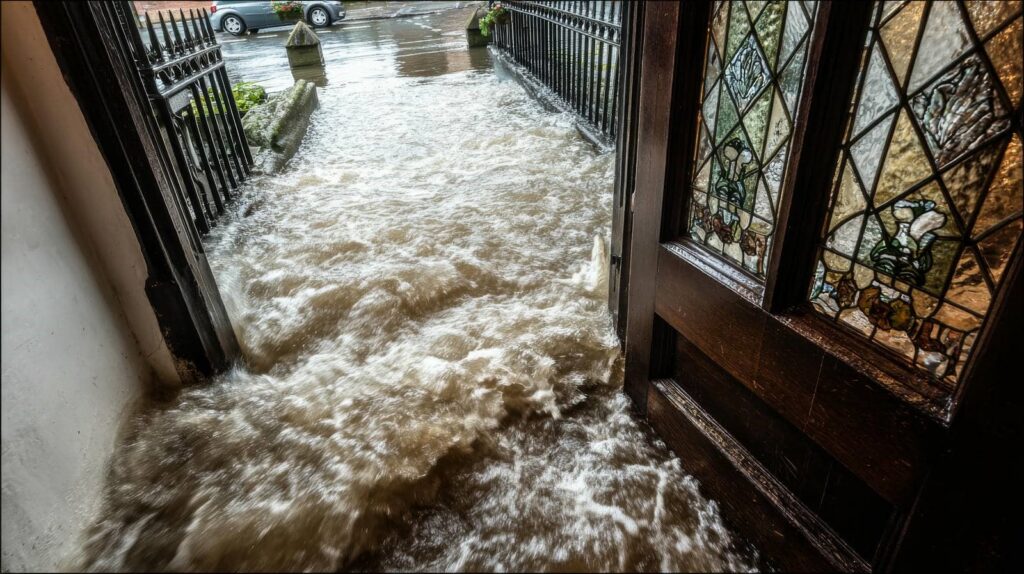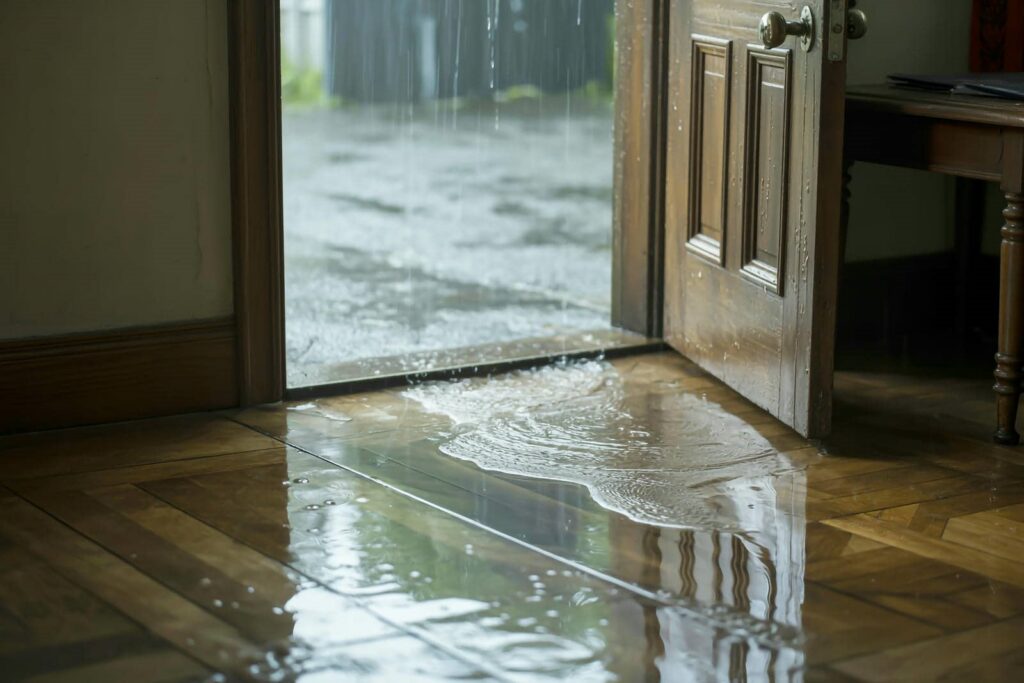
You assess the damage, prioritize safety, and initiate cleanup to protect your home. Each step in the flood damage cleanup process is essential for maintaining your health and the integrity of your property. Neglecting any part could lead to increased risks, like mold growth or structural weakness. Understanding the importance of these steps can empower you to take control of the situation and safeguard your well-being. What happens if you overlook them?
Key Takeaways
- Following these steps ensures a thorough assessment of damage, preventing further structural issues and promoting safety during cleanup.
- Proper water removal and drying reduce health risks associated with mold and mildew, protecting occupants’ well-being.
- Documenting damage meticulously aids in the insurance claims process, helping recover costs for repairs and restoration.
- Implementing effective restoration techniques enhances resilience against future flooding, safeguarding the home in the long term.
- Community preparedness fosters collective awareness and response, improving overall safety and reducing risks during flood events.
Assess the Extent of Damage
Before you plunge into cleanup efforts, it’s essential to evaluate the extent of the damage caused by the flood. Start your damage evaluation by inspecting each room, noting water levels, and identifying affected materials. Use evaluation methods such as visual checks and moisture meters to gauge structural integrity.
Document your findings with photographs and detailed notes; this will help with the cleanup process and assist with insurance claims.
While you’re evaluating, remember to reflect on sentimental items, as they may hold significant emotional value. It’s natural to feel overwhelmed, but taking a systematic approach can make this challenging task more manageable.
Don’t hesitate to reach out to neighbors or community members who may offer support or resources. Together, you can share experiences and solutions, fostering a sense of belonging during this difficult time.
Your thorough evaluation will pave the way for effective cleanup and recovery.
Ensure Safety and Health Precautions
As you prepare to tackle the cleanup, prioritizing safety and health precautions is essential to protect yourself and others from potential hazards. Wearing appropriate safety gear, like gloves, masks, and sturdy boots, isn’t just a recommendation; it’s a necessity. Floodwaters can carry harmful contaminants and pathogens that pose serious health risks.
Before you begin, assess the area for any electrical hazards or structural damage that could complicate your efforts. Verify you have a first-aid kit on hand, as you might encounter sharp objects or other dangers during the process.
Communicate with family members or team members about safety protocols, fostering a sense of belonging and teamwork. By taking these precautions, you’re not only safeguarding your health but also creating a supportive and safe environment for everyone involved in the cleanup.
Remove Standing Water
Start by tackling the standing water, as it can pose significant risks to both health and structural integrity. Standing water removal is essential in flood cleanup techniques, as it prevents mold growth and contamination.
Use a submersible pump or wet vacuum to remove the water efficiently. If the water is deep, you might need to work in sections, gradually lowering the water level to avoid structural damage.
As you remove the water, keep safety top of mind. Wear protective gear, including gloves and boots, to shield yourself from potential contaminants.
After the initial removal, inspect the area for hidden pockets of water, as stagnant moisture can linger and create ongoing problems.
Dry and Dehumidify Affected Areas
Once you’ve removed the standing water, it’s essential to dry and dehumidify the affected areas quickly.
This step prevents mold growth and structural damage, which can lead to more costly repairs down the line.
Using effective techniques, like industrial fans and dehumidifiers, will help you restore your space to a safe and healthy condition.
Importance of Quick Drying
Quickly drying and dehumidifying affected areas after a flood is essential, as it greatly reduces the risk of mold growth and structural damage.
You mightn’t realize it, but every hour counts in preventing long-term issues. Employing quick-drying techniques, like using high-velocity fans and dehumidifiers, can make a significant difference.
Explore various drying equipment options to find what suits your space best. Remember, the sooner you act, the more control you’ll have over the situation.
It’s not just about restoring your home; it’s about creating a safe environment for you and your loved ones. Staying proactive during this challenging time helps foster a sense of community and resilience, allowing you to reclaim your space with confidence.
Effective Dehumidification Techniques
As you begin the dehumidification process, understanding the right techniques can greatly enhance your efforts in drying out affected areas.
Effective moisture control is essential for preventing mold growth and further damage. Here are four dehumidifier types and techniques to take into account:
Desiccant Dehumidifiers: Ideal for low-temperature environments, they absorb moisture without needing a compressor.
Refrigerant Dehumidifiers: These work best in warm conditions, cooling the air to condense moisture.
Ventilation: Open windows and doors when possible to promote airflow and reduce humidity.
Wet/Dry Vacuums: Use these to remove standing water before deploying dehumidifiers.
Clean and Sanitize Surfaces
Cleaning and sanitizing surfaces after a flood is essential to prevent mold growth and ensure a safe environment. You’ll want to gather effective cleaning products that are suitable for various surface materials, like wood, tile, and concrete.
Start by removing any debris and excess water, then apply your chosen cleaning solution. Pay attention to high-touch areas, as these can harbor harmful bacteria.
Once you’ve cleaned, it’s vital to sanitize surfaces to eliminate any remaining pathogens. Use a disinfectant that’s proven effective against flood-related contaminants.
Don’t forget to wear gloves and a mask during this process to protect yourself.
After cleaning, allow surfaces to dry completely, as moisture can lead to future issues.
Check for Mold and Mildew
After flooding, it’s essential to check for mold and mildew, as they pose significant health risks, especially for those with respiratory issues.
You can take proactive steps to prevent their growth by controlling moisture and ensuring proper ventilation in affected areas.
Addressing these concerns promptly protects your health and helps preserve your home’s integrity.
Health Risks Involved
While you may feel relieved after the initial flood cleanup, it’s essential to recognize the hidden health risks that can linger in the aftermath.
Mold and mildew can thrive in damp environments, leading to various health effects that you mightn’t notice immediately. Ignoring these risks can result in long-term consequences for you and your loved ones.
Here are four key health risks to watch for:
- Respiratory issues, including asthma and allergies.
- Skin irritations and rashes from mold exposure.
- Fatigue and headaches are linked to indoor air quality.
- Weakened immune system, making you more susceptible to illness.
Being proactive about these concerns helps safeguard your well-being and fosters a sense of community care.
Prevention Techniques Available
Taking proactive steps to check for mold and mildew can greatly reduce health risks after a flood. Start by inspecting areas prone to moisture, like basements and crawl spaces.
Use flood barriers and effective drainage systems to keep water away from your home, minimizing dampness that encourages mold growth.
Be vigilant in monitoring surfaces; if you spot any discoloration or a musty smell, act quickly. Cleaning solutions with vinegar or specialized mold removers can help, but remember to wear protective gear.
After cleanup, keep your home well-ventilated and maintain low humidity levels to discourage future outbreaks.
Repair and Restore Damaged Structures
Repairing and restoring damaged structures requires careful assessment and a methodical approach to confirm safety and longevity.
When you initiate flood restoration, it’s essential to prioritize structural integrity.
Here are key steps to guide you through the process:
Assess Damage: Thoroughly inspect all areas affected by the flood, noting any compromised materials.
Remove Contaminants: Safely eliminate mold, mildew, and other harmful substances to confirm a healthy environment.
Repair Structural Elements: Reinforce or replace damaged beams, walls, and foundations to maintain the building’s stability.
Restore Finishes: Once the structure is sound, focus on restoring interior and exterior finishes to bring your space back to life.
Document the Damage for Insurance Claims
After ensuring the structural integrity of your home, the next step is to document the damage for insurance claims. This process is essential for successful insurance documentation, as it lays the groundwork for your claim.
Start by taking clear, detailed photographs of all affected areas, capturing both wide shots and close-ups of specific damage. Make notes about what you see, including the extent of the damage and any relevant details.
Gather receipts for repairs and any emergency services you utilized. This information can substantiate your claim, making it harder for insurers to deny it.
Remember, thorough documentation helps you feel more secure as you navigate this stressful time. Keeping organized records fosters a sense of control, allowing you to focus on recovery.
Implement Preventive Measures for the Future
While documenting damage is essential, implementing preventative measures for the future can greatly reduce the risk of flooding and its associated destruction.
By taking proactive steps, you can safeguard your home and community. Here are some effective measures to contemplate:
Install Flood Barriers: Invest in flood barriers to protect entry points and reduce water intrusion during heavy rainfall.
Upgrade Drainage Systems: Ensure your drainage systems are efficient and properly maintained to handle excess water flow.
Landscape for Drainage: Modify your yard’s landscape to direct water away from your home, using sloping and strategic planting.
Regular Inspections: Schedule routine inspections of your property, checking for vulnerabilities and potential flood risks.
Taking these steps enhances your property’s resilience and fosters a sense of community safety.
Frequently Asked Questions
How Long Does the Flood Damage Cleanup Process Typically Take?
The flood damage cleanup process typically takes several days to weeks, depending on flood duration and damage extent. You’ll want to establish a cleanup timeline, ensuring a thorough approach for effective recovery and restoration.
Can I Handle Flood Cleanup Myself, or Should I Hire Professionals?
You can handle DIY cleanup if you’re confident and equipped, but hiring professional services ensures thoroughness and safety. Flood damage can be overwhelming, and having experts can provide peace of mind during this challenging time.
What Items Can Be Salvaged After Flood Damage?
You can often salvage items like metal appliances, hardwood furniture, and certain textiles using effective restoration techniques. Assess each item carefully, as quick action increases the chances of saving your treasured belongings and restoring your space.
What Are the Long-Term Health Risks Associated With Flood Damage?
Floods can leave a shadow, fostering mold growth and water contamination, which pose serious long-term health risks. You might face respiratory issues or infections, making it essential to address these dangers promptly and thoroughly.
How Can I Prevent Future Flooding in My Home?
To prevent future flooding in your home, invest in effective flood prevention measures like drainage systems and waterproofing solutions. Regularly inspect your property and maintain gutters to ensure they function properly during heavy rainfall.
Final Thoughts
In the aftermath of a flood, the contrast between chaos and calm becomes stark. By following these essential cleanup steps, you restore your home and reclaim your peace of mind. Each action you take—from evaluating damage to implementing preventative measures—builds resilience against future floods. As you transform your space back to safety, remember that thoroughness today prevents heartache tomorrow. Your diligence not only protects property; it nurtures a sense of security for you and your loved ones.