Addressing water damage effectively requires more than just a quick fix; it demands a strategic approach to ensure lasting results. From evaluating the damage to implementing long-term waterproofing solutions, understanding the full scope of necessary water damage repairs is vital. How can you protect your property and prevent future incidents from occurring? Let’s explore the essential steps you should consider.
Key Takeaways
- Apply waterproof coatings to walls and foundations to prevent future water intrusion.
- Install effective drainage systems to redirect water away from the property.
- Seal all cracks and joints to eliminate potential moisture entry points.
- Use vapor barriers in basements and crawlspaces to control humidity levels.
- Maintain proper landscaping to ensure water flows away from the home’s foundation.
Assessing the Extent of Water Damage
When you discover water damage in your home, it’s essential to assess the extent of the problem as soon as possible. Start with water source identification; determine where the water is coming from, whether it’s a leak, flooding, or condensation. This step is critical as it helps prevent future incidents.
Next, move on to damage classification. Classify the damage into categories such as clean, gray, or black water, as this will affect the remediation process. Clean water is less hazardous, while black water poses significant health risks.
Inspect affected areas, including walls, floors, and ceilings, to identify structural integrity issues. Document your findings with photos and notes, as this information may be important for insurance claims.
Developing a Comprehensive Restoration Plan
After evaluating the extent of water damage, it’s time to create a detailed restoration plan that addresses both immediate concerns and long-term solutions.
Start by establishing a clear restoration timeline, outlining each phase of the repair process. This will help you stay organized and ensure timely completion.
Next, focus on resource allocation. Identify the necessary materials and skilled professionals required for each stage of the restoration.
Prioritize tasks based on urgency—like drying out affected areas—while also considering aesthetic repairs that contribute to the overall value of your property.
Don’t forget to incorporate contingency plans for unexpected challenges, as these can arise during the restoration process.
Removing Damaged Materials
To effectively address water damage, you’ll need to begin by removing any materials that have been compromised.
Start with a thorough damage assessment to identify which items—like drywall, insulation, or flooring—are unsalvageable. It’s vital to act quickly, as lingering moisture can lead to mold growth and further deterioration.
Once you’ve identified the damaged materials, focus on proper material disposal. Local regulations often dictate how to dispose of water-damaged items, so be sure to check these guidelines.
Wear protective gear to ensure your safety during the removal process.
As you remove materials, document any findings for insurance purposes. This structured approach streamlines your repair efforts and fosters a sense of community, as you’re taking proactive steps to restore your space.
Thorough Drying and Dehumidification
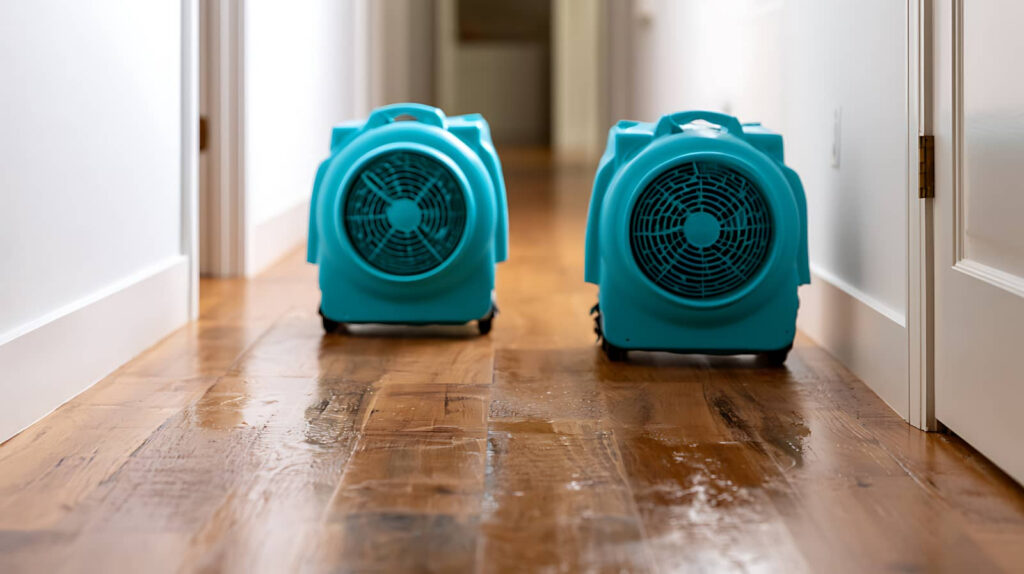
Thorough drying and dehumidification are essential steps in the water damage repair process. You can’t underestimate the importance of moisture control; it’s vital for preventing further damage to your property.
Begin by ensuring adequate air circulation throughout the affected area. Open windows, use fans, and consider placing dehumidifiers strategically to expedite the drying process. Monitoring humidity levels with a hygrometer will help you achieve ideal conditions.
Once you’ve addressed air circulation, focus on thoroughly drying all surfaces, including walls, floors, and furniture. Remember that hidden moisture can lead to long-term issues, so inspect behind cabinets and inside walls if necessary.
Mold Prevention and Remediation
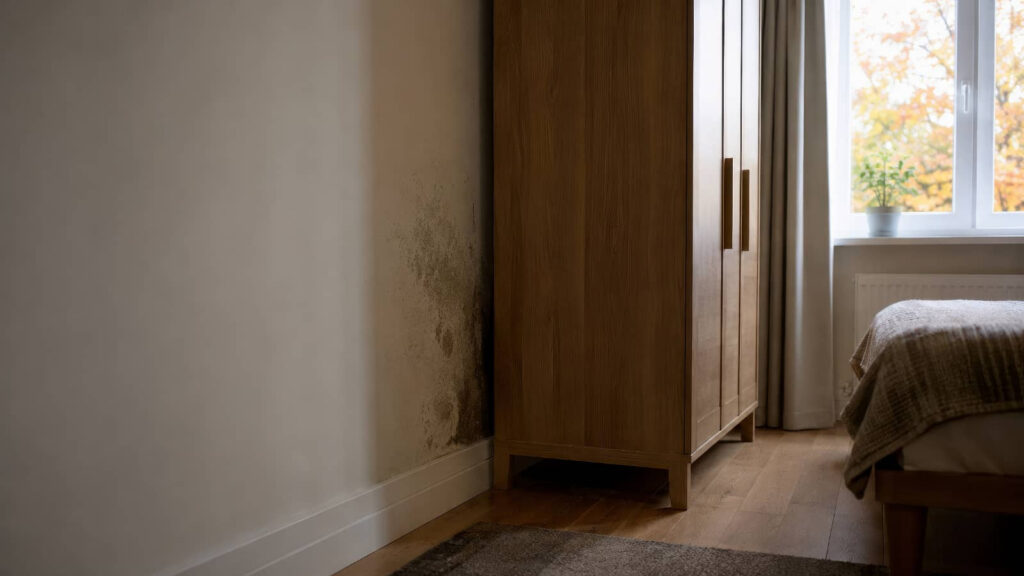
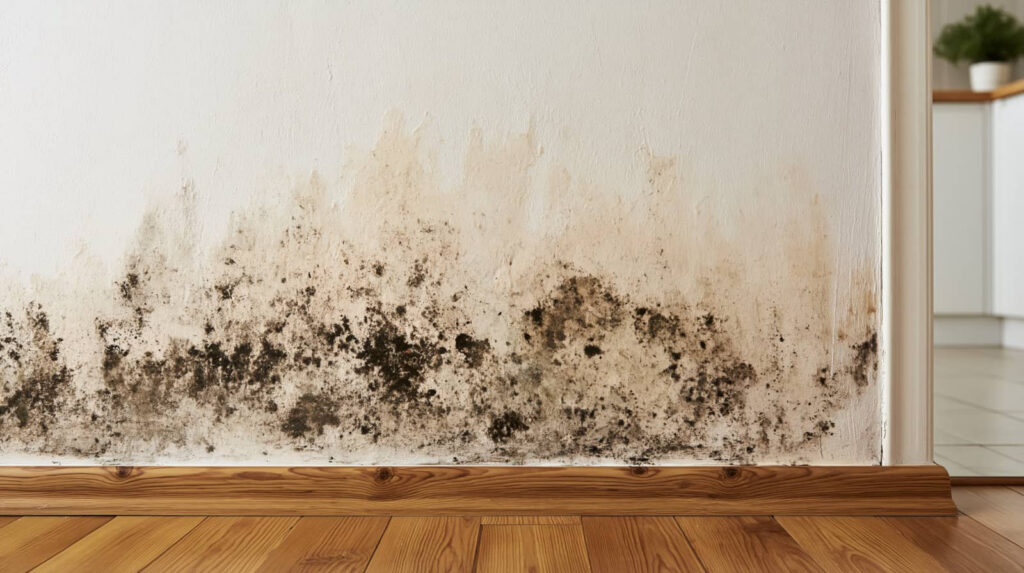
Since moisture creates the perfect breeding ground for mold, addressing this issue promptly is crucial for any water damage repair.
Mold growth damages your property and poses significant health risks, including respiratory issues and allergies.
Here are key strategies for effective mold prevention and remediation:
Identify and eliminate moisture sources: Fix leaks and improve ventilation.
Use mold-resistant materials: Opt for mold-resistant paints and drywall.
Maintain indoor humidity levels: Keep humidity below 60% using dehumidifiers.
Regularly inspect areas prone to dampness: Check basements, bathrooms, and kitchens for signs of mold.
Act quickly on visible mold: Use appropriate cleaning solutions or hire professionals to ensure thorough removal.
Repairing and Replacing Structural Components
After addressing mold issues, the next step in effective water damage repairs involves evaluating and repairing or replacing structural components that may have been compromised.
You’ll want to assess the structural integrity of elements like beams, joists, and walls, as weakened components can jeopardize your home’s safety. If you find damage, prioritize repairs that restore strength and stability.
When replacing materials, focus on appropriate material selection. Opt for water-resistant options, such as treated wood or synthetic materials, to enhance durability and prevent future issues. Consulting with professionals can help you make informed choices that align with your home’s needs and local building codes.
Lastly, verify all repairs are done thoroughly, as neglecting even minor issues can lead to more significant problems down the line.
Implementing Long-Term Waterproofing Solutions
While addressing structural repairs is crucial, implementing long-term waterproofing solutions is important to prevent future water damage.
By taking proactive steps, you can safeguard your property from moisture-related issues. Here are some key strategies to reflect on:
Apply waterproof coatings on walls and foundations to create a protective barrier.
Install effective drainage systems to redirect water away from your property.
Seal cracks and joints to eliminate potential entry points for moisture.
Use vapor barriers in basements and crawlspaces to prevent humidity buildup.
Maintain proper landscaping to ensure water flows away from your home.
Regular Maintenance and Monitoring
To ensure the longevity of your water damage repairs, scheduled inspections are essential.
You should routinely check for signs of moisture and wear, as early detection can prevent costly issues down the line.
Implementing preventive measures will further protect your property and maintain the effectiveness of your waterproofing solutions.
Scheduled Inspections
Scheduled inspections play an essential role in maintaining the integrity of your property and preventing long-term water damage.
By establishing a routine for scheduled maintenance, you can greatly reduce the risks associated with water issues.
Consider the following points to enhance your inspection frequency:
- Identify potential leaks before they escalate.
- Monitor humidity levels to prevent mold growth.
- Check roof and gutter systems for blockages.
- Inspect plumbing fixtures and appliances for wear.
- Assess drainage systems to ensure proper water flow.
Preventive Measures
Regular maintenance and monitoring are essential for preventing water damage before it becomes a significant issue. By regularly inspecting areas prone to moisture, like basements and attics, you can identify potential problems early.
Applying waterproof coatings to surfaces can help create a protective barrier against leaks, while installing moisture barriers in vulnerable areas can prevent water intrusion. Make it a habit to check for any signs of leaks or mold, and ensure your gutters and downspouts are clear to direct water away from your home.
Keeping an eye on these aspects fosters a sense of belonging and responsibility within your community, as you contribute to maintaining safe and healthy living environments for everyone.
Frequently Asked Questions
How Can I Tell if My Home Has Hidden Water Damage?
You can spot hidden water damage by checking for signs like stains, warped walls, or musty odors. Using moisture detection tools helps identify hidden leaks, ensuring you catch potential issues before they escalate.
What Are the Signs of Mold Growth After Water Damage?
You’ll notice signs of mold growth through musty odors, discoloration on surfaces, and increased humidity. For effective mold identification and remediation techniques, act quickly to prevent further damage and ensure a safe living environment.
Can I Handle Water Damage Repairs Myself?
Yes, you can handle water damage repairs yourself if you’re knowledgeable. DIY repairs can save money, but thorough research and proper techniques are essential for effective water damage prevention and ensuring long-lasting results in your home.
How Long Does the Water Damage Repair Process Take?
The repair timeline varies, but typically, it takes a few days to weeks. After a thorough damage assessment, you’ll get a clearer idea of the necessary steps and overall duration for repairs.
Will My Insurance Cover the Cost of Water Damage Repairs?
Your insurance might cover water damage repairs, but it depends on your policy details. Review your coverage carefully, and consult your insurer to understand what’s included and any potential exclusions that may apply.
Review
Prioritizing proactive prevention and proper planning is essential for effective long-term water damage repairs. By embracing efficient waterproofing practices, you can protect your property from persistent problems. Remember to regularly monitor and maintain your solutions, ensuring they stay strong against future storms. With diligence and dedication, you’ll create a durable defense that safeguards your space from unwanted water woes, fostering a foundation of safety and security for years.