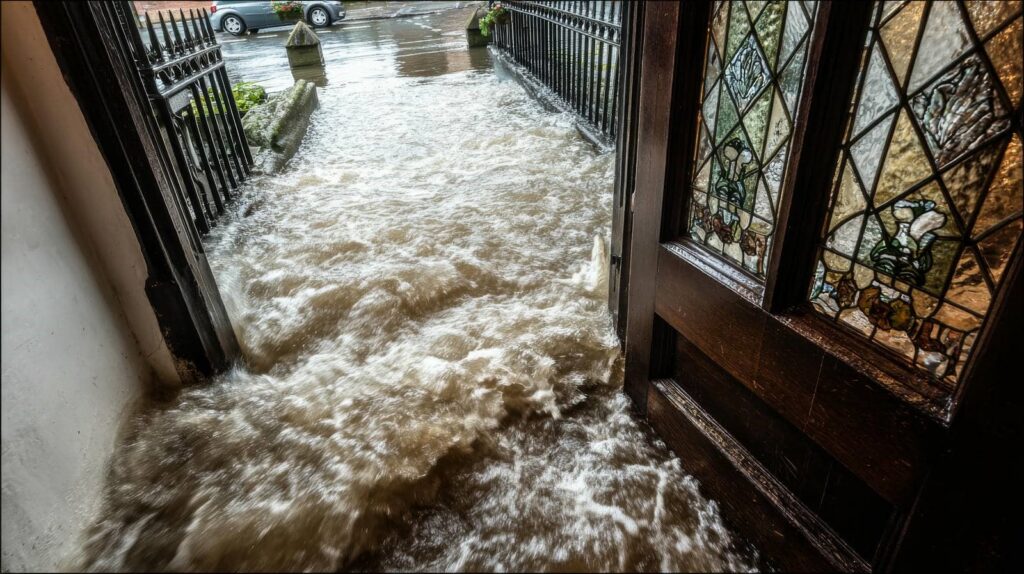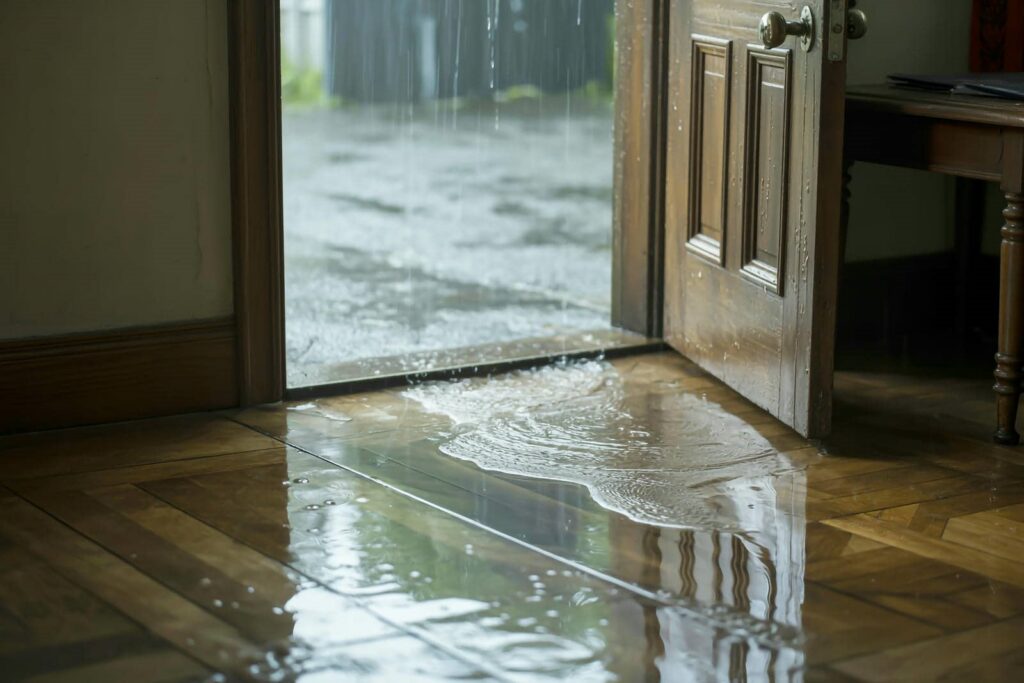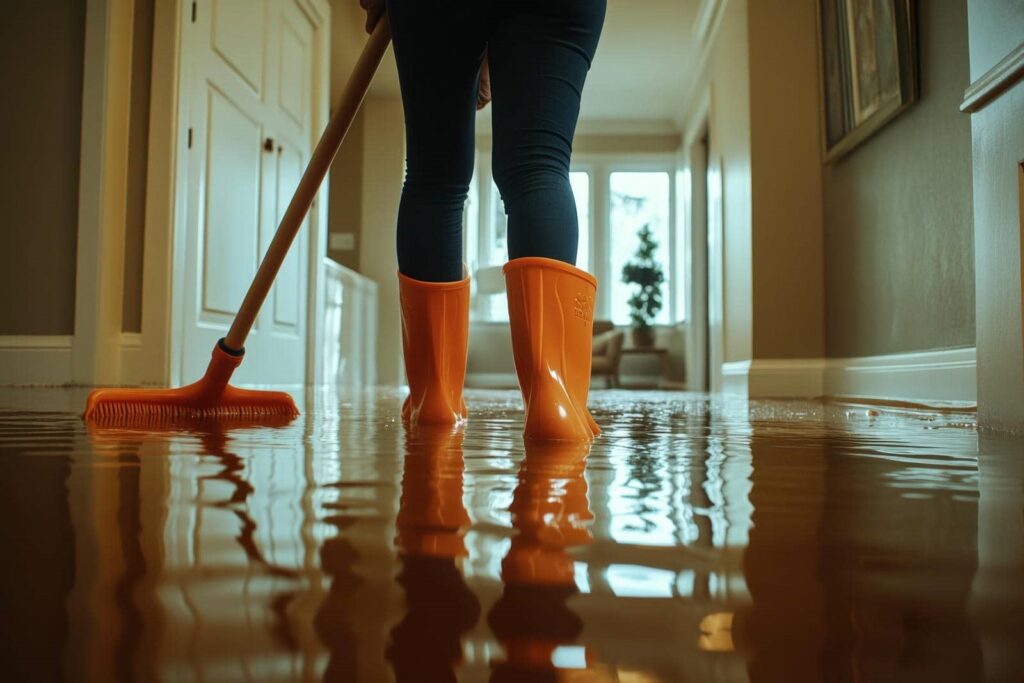
When faced with flood damage, it’s vital to act swiftly and methodically to minimize loss and ensure safety. Start by evaluating the extent of the damage while documenting everything for your insurance claim. Don’t forget to wear protective gear during this process. As you move forward, understanding the necessary steps for effective cleanup can make all the difference. The next step is gathering essential supplies to tackle the aftermath efficiently.
Key Takeaways
- Conduct a thorough inspection of your home for structural damage and safety hazards before beginning cleanup.
- Gather essential supplies like mops, buckets, and protective gear to effectively remove standing water.
- Clean and disinfect all surfaces, focusing on high-touch areas, to eliminate harmful bacteria and prevent mold growth.
- Prioritize salvaging important personal belongings and documenting them for insurance claims.
- Seek professional assistance if you encounter deep water, structural damage, or hazardous materials during cleanup.
Assessing the Damage
How can you effectively assess the damage after a flood? Start by using damage assessment techniques that allow you to thoroughly evaluate the flood’s impact.
Begin with a visual inspection of your property, noting any structural damage, water levels, and the condition of personal belongings. Document everything with photos—this will assist in any insurance claims.
Next, inventory damaged items and categorize them by severity. This flood impact evaluation will help prioritize cleanup efforts. If you’re unsure about safety or structural integrity, consult a professional.
Also, consider the potential for mold growth in damp areas. Check walls, floors, and hidden spaces for moisture. It’s crucial to act quickly, as prolonged exposure can worsen conditions.
Safety Precautions
Before starting cleanup, you must assess hazardous conditions to ensure your safety.
Wearing protective gear is essential to shield yourself from contaminants and physical injuries.
Additionally, you need to implement electrical safety measures to prevent risks associated with submerged wiring and equipment.
Assessing Hazardous Conditions
As you begin evaluating hazardous conditions after a flood, it’s vital to prioritize your safety and that of others around you.
Start with a thorough hazard assessment to identify potential dangers like unstable structures, contaminated water, and electrical hazards. Look for signs of environmental risks such as chemical spills or leaks from damaged tanks.
Make sure you maintain a safe distance from floodwaters, as they may contain harmful bacteria and debris. Always be aware of your surroundings and communicate with those nearby to ensure everyone’s safety.
Document any hazardous conditions you encounter, as this information will aid in cleanup efforts and help professionals address environmental risks effectively. Your vigilance is important in maneuvering through these dangerous scenarios.
Protective Gear Essentials
While evaluating the hazards in a flood-affected area, it’s crucial to equip yourself with the right protective gear to minimize health risks.
Start with high-quality protective gloves to shield your hands from contaminants and debris. Choose gloves made from durable materials that resist punctures and cuts.
Next, invest in waterproof boots, which will protect your feet from standing water and potential hazards lurking beneath. Ensure the boots have good traction to prevent slipping on wet surfaces.
Wearing these essentials safeguards your health and boosts your confidence as you navigate a challenging environment.
Electrical Safety Measures
Flooding can severely compromise electrical systems, making it vital to prioritize electrical safety when evaluating and cleaning up affected areas.
Before you begin, verify you follow these critical safety measures:
- Always turn off the main power supply to prevent electrocution.
- Avoid standing water around electrical outlets and equipment.
- Conduct a thorough appliance inspection before reuse, checking for water damage.
- Inspect circuit safety by verifying breakers and fuses are intact and functioning.
- Seek professional help for any electrical repairs needed after flooding.
Gathering Essential Supplies
To effectively tackle flood damage, you’ll need to gather essential supplies before starting the cleanup.
Necessary cleanup tools include mops, buckets, and wet/dry vacuums, while protective gear such as gloves, masks, and boots will keep you safe.
Make sure you have everything ready to minimize risks and maximize efficiency during the cleanup process.
Necessary Cleanup Tools
Before you plunge into cleanup efforts, it’s crucial to gather the right tools for the job. Having the proper cleanup equipment and restoration supplies can greatly streamline the process and ensure your safety.
Here’s a quick list of necessary tools to get you started:
- Heavy-duty trash bags
- Wet/dry vacuum
- Mop and bucket
- Disinfectant spray
- Squeegee
These items will help you effectively remove debris, water, and contaminants from your space.
Be sure to stock up on these essentials before you begin, as they’re vital for a thorough and efficient cleanup.
Protective Gear Required
As you gather your cleanup tools, don’t overlook the importance of protective gear. It’s vital to safeguard yourself against potential hazards like sharp debris, harmful chemicals, and contaminated water.
Start by investing in durable protective clothing; this should include long sleeves and heavy-duty gloves to shield your skin. Waterproof boots are also essential, as they prevent water exposure and provide traction on slippery surfaces.
Additionally, don’t forget to wear safety goggles to protect your eyes from splashes and airborne particles. A face mask can further prevent inhalation of dust and mold spores.
Removing Standing Water
When flooding occurs, quickly removing standing water is vital to prevent further damage and the growth of mold. You’ll need to utilize effective water extraction methods and drainage solutions to tackle this task efficiently.
Start by evaluating the extent of the water accumulation and gathering your necessary tools.
Here are some key steps to take into account:
- Use a submersible pump for deep water.
- Employ wet/dry vacuums for smaller areas.
- Verify proper drainage systems are unclogged and functional.
- Create barriers to redirect water away from your home.
- Always check for hazards, like electrical risks, before beginning.
Drying Out Affected Areas
Once you’ve removed standing water, drying out affected areas is essential to prevent lasting damage and mold growth.
Start by employing effective drainage techniques, ensuring that any residual water can escape efficiently. Use a combination of fans and dehumidifiers to enhance air circulation and reduce humidity levels.
Regularly check moisture measurement in affected materials, like drywall and flooring, to assess their drying progress. Aim for a moisture content below 15% to inhibit mold development.
Don’t forget to inspect hidden spaces, such as under cabinets and behind appliances, where water might still linger.
Opening windows can also boost airflow, but be cautious of external humidity.
Cleaning and Sanitizing
After ensuring the affected areas are thoroughly dried, cleaning and sanitizing surfaces becomes a priority to eliminate contaminants and prevent health risks.
Effective flood debris removal is essential, as it minimizes the chance of pathogens lingering in your environment. Follow these sanitation procedures to ensure a safe space:
- Use a mixture of water and detergent for initial surface cleaning.
- Disinfect surfaces with a solution containing at least 70% alcohol or bleach.
- Pay special attention to high-touch areas like doorknobs and light switches.
- Allow disinfectants to sit for the recommended contact time for maximum efficacy.
- Dispose of cleaning materials safely, especially if they’re contaminated.
Dealing With Mold Prevention
To effectively prevent mold growth in areas affected by flooding, it’s essential to act swiftly and decisively. Start by thoroughly drying out the affected spaces within 24 to 48 hours. Use fans, dehumidifiers, and open windows to promote airflow.
Confirm that all surfaces, including walls, floors, and furniture, are cleaned and sanitized to eliminate moisture.
Implement prevention strategies such as sealing leaks and confirming proper drainage around your home. Additionally, consider using mold-resistant products when repairing or renovating.
Regularly inspect vulnerable areas, like basements and attics, for signs of dampness or mold.
If you notice any visible mold, address it immediately with appropriate cleaning solutions.
Salvaging Personal Belongings
When faced with flood damage, salvaging personal belongings is essential for both emotional and practical reasons. Start by documenting belongings to keep a record for insurance claims.
Prioritize items based on their sentimental value, irreplaceability, and financial worth.
Consider focusing on the following items:
- Important documents (passports, birth certificates)
- Family photos and keepsakes
- Electronics (laptops, phones)
- Furniture with high sentimental value
- Clothing and essentials
Once you’ve prioritized, carefully assess each item’s condition. Clean and dry items as soon as possible to prevent further damage.
Remember, some items may need professional restoration. If you can’t salvage everything, it’s okay to let go of less meaningful items.
Salvaging your belongings not only helps recover memories but also aids in the healing process after the disaster.
Repairing Water-Damaged Structures
As floodwaters recede, addressing water-damaged structures promptly is essential to prevent further deterioration. Start by evaluating the structural integrity of your home. Look for signs of sagging, cracks, or warped materials. If you identify any compromised areas, prioritize repairs to maintain safety.
Remove saturated materials like drywall and insulation, as they can harbor mold. When replacing these, opt for water-resistant materials that can withstand future moisture. For flooring, consider using vinyl or tile instead of wood, which is more susceptible to damage.
Ensure proper ventilation to aid in drying, and apply sealants to protect vulnerable areas. If you’re unsure about the repairs or the extent of the damage, consult with experienced peers or local community resources.
When to Call a Professional
Determining whether to tackle flood damage cleanup on your own or call in a professional can be critical, especially if the extent of the damage exceeds your expertise.
Knowing when to call emergency services ensures you’re not risking your safety or worsening the situation. Here are some signs that it’s time to seek professional help:
- The water level is deep or rising rapidly.
- There’s visible structural damage to your home.
- You’re dealing with hazardous materials like sewage or chemicals.
- You notice mold growth or smell musty odors.
- You lack the necessary equipment for effective cleanup.
In these situations, professional services can provide specialized skills and tools to mitigate damage efficiently.
Don’t hesitate to reach out; it’s better to rely on experts than to face overwhelming challenges alone. Your safety and the integrity of your home are paramount.
Frequently Asked Questions
How Can I Prevent Future Flooding in My Home?
To prevent future flooding in your home, install flood barriers and regularly maintain drainage systems. Make certain gutters are clean and direct water away from the foundation, creating a protective environment against potential flood risks.
What Types of Insurance Cover Flood Damage?
Flood insurance options can be life-savers, covering damages from rising waters. Policies, like the National Flood Insurance Program, have specific coverage limits, so verify you understand your plan to adequately protect your home.
How Long Does Flood Damage Cleanup Typically Take?
Flood damage cleanup typically takes several days to weeks, depending on the extent of water extraction needed and damage severity. Prompt action can greatly reduce cleanup timeframes, so addressing issues quickly is essential.
Can I Claim Flood Damage on My Taxes?
Yes, you can claim flood damage on your taxes as a tax deduction, especially if you have flood insurance. Document your losses carefully to ensure you maximize your benefits and comply with IRS requirements for claims.
What Should I Do if I Find Hazardous Materials?
If you find hazardous materials, don’t touch them. Secure the area and wear safety gear. Notify local authorities for proper disposal. Follow safety precautions to protect yourself and others from potential harm.
Wrap-Up
Maneuvering emergency flood damage cleanup can feel like steering a ship through stormy seas. By following the steps outlined—from evaluating the damage to salvaging personal belongings—you can restore your home effectively and safely. Remember, prioritizing safety and thoroughness is essential. Don’t hesitate to reach out for professional help when needed, as they can provide expertise and resources that may be beyond your reach. Your home can recover, just like you will after this challenging experience.