Imagine discovering a water stain on your ceiling after a heavy rainstorm. It’s vital to act quickly and effectively to prevent further water damage. Start by evaluating the situation and gathering the right tools. Knowing how to remove standing water and dry affected areas can save you time and money. But what steps should you take to ensure a thorough repair and restoration process? Let’s explore the essential tips you need to tackle this challenge.
Key Takeaways
- Identify and assess the source of moisture to prevent further damage and accurately address affected areas.
- Use a wet/dry vacuum to remove standing water quickly and efficiently.
- Employ dehumidifiers and fans to dry out affected spaces and reduce humidity levels.
- Clean and sanitize all surfaces using appropriate cleaners to eliminate contaminants and prevent mold growth.
- Repair or replace damaged materials like drywall or flooring to restore your home effectively.
Assess the Damage
When faced with water damage, a thorough assessment is essential for effective repairs. Start your damage evaluation by identifying the source of the moisture. Look for visible signs such as stains, warping, or mold growth, which can indicate underlying issues.
Utilize moisture detection tools, like a moisture meter, to accurately measure the moisture levels in walls, floors, and ceilings. This step is critical, as it helps you determine the extent of the damage and whether structural elements have been compromised.
Once you’ve pinpointed the affected areas, document your findings. Take photos and make notes of the severity of the damage, as this information will guide your repair process.
Gather Necessary Tools and Supplies
To effectively tackle water damage repair, you’ll need to gather a few essential tools and supplies. Proper tool selection and supply sourcing are key to ensuring a smooth repair process.
Here’s a quick list of what you’ll need:
- Wet/Dry Vacuum: Ideal for removing excess water from floors and carpets.
- Dehumidifier: Helps reduce humidity levels, preventing mold growth.
- Mold Removal Products: Essential for treating areas affected by mold or mildew.
- Protective Gear: Includes gloves, masks, and goggles to keep you safe during repairs.
Having these tools and supplies on hand will streamline your repair process and foster a sense of community as you tackle this challenge.
You’re not just fixing your home; you’re taking an active role in maintaining a safe and healthy living environment for you and your loved ones.
Remove Standing Water
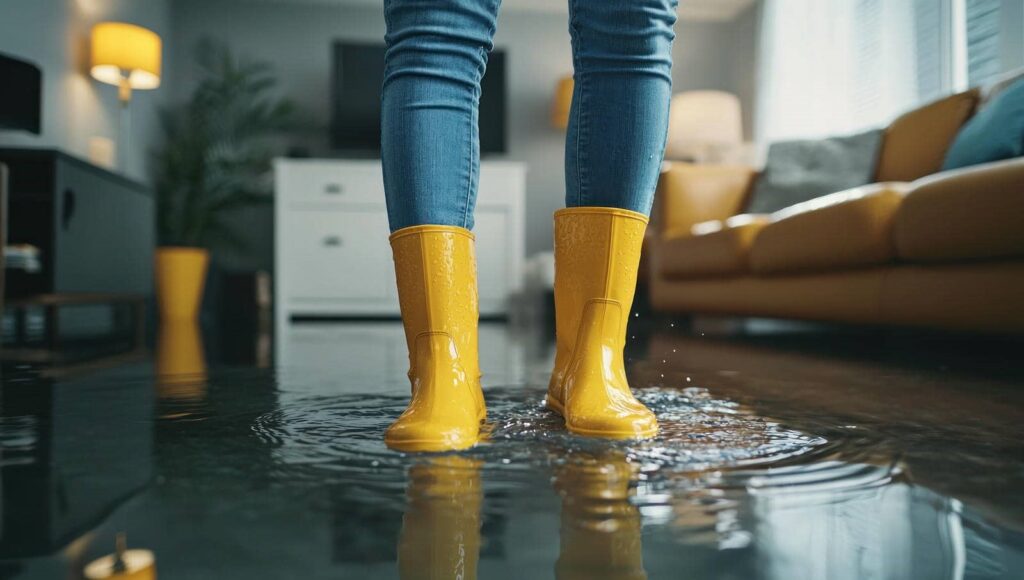
Start by quickly evaluating the area for any standing water that needs immediate attention. Identifying where water has pooled is important for effective flood cleanup.
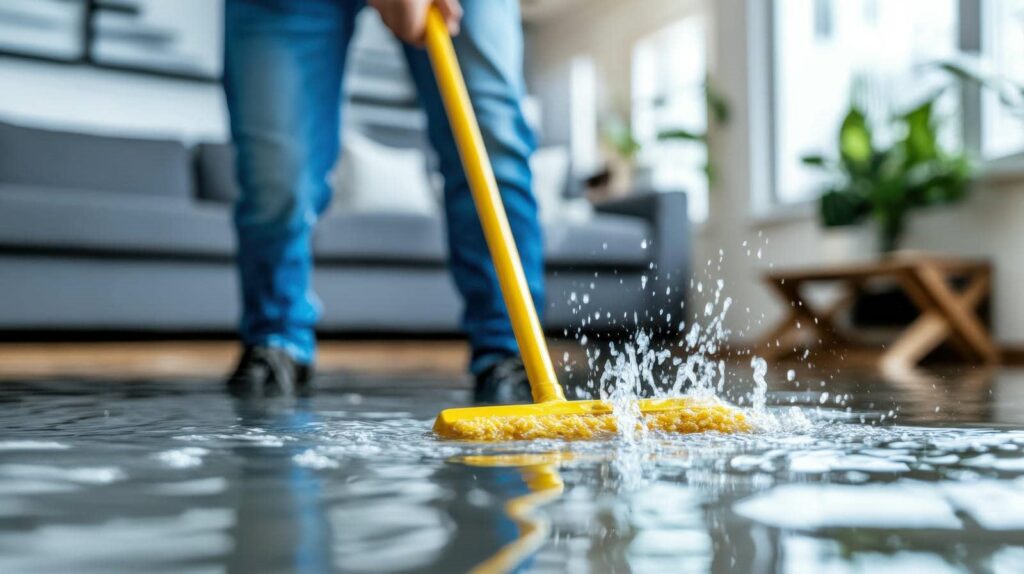
Once you’ve located the standing water, begin the water extraction process. Use a wet/dry vacuum to remove as much water as possible, ensuring you don’t overlook corners or hidden spots. If the water is significant, consider renting a submersible pump for faster extraction.
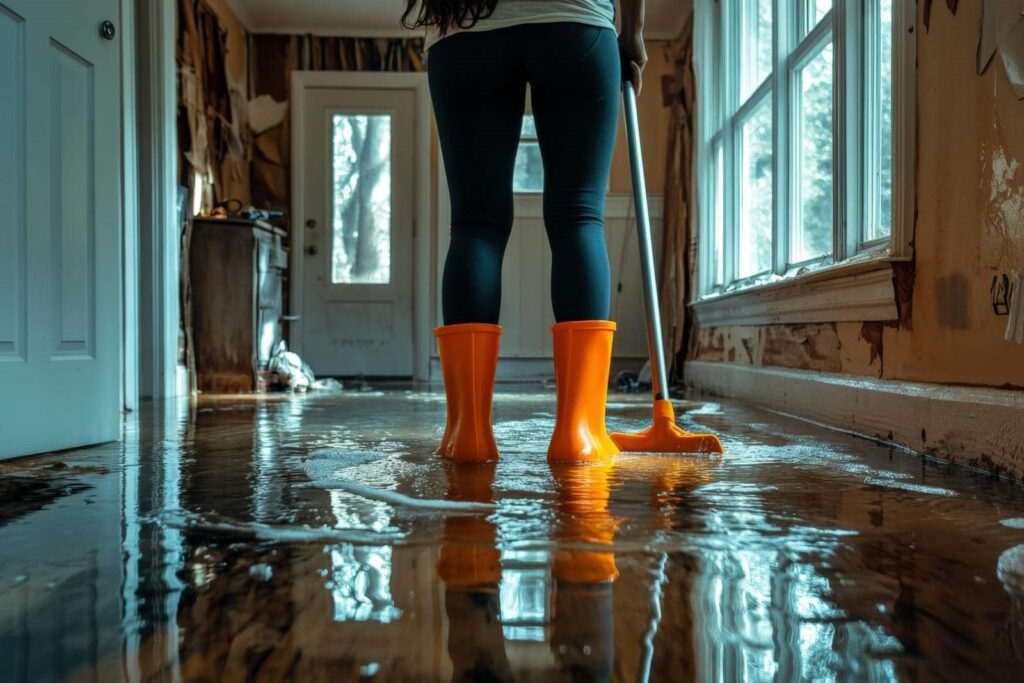
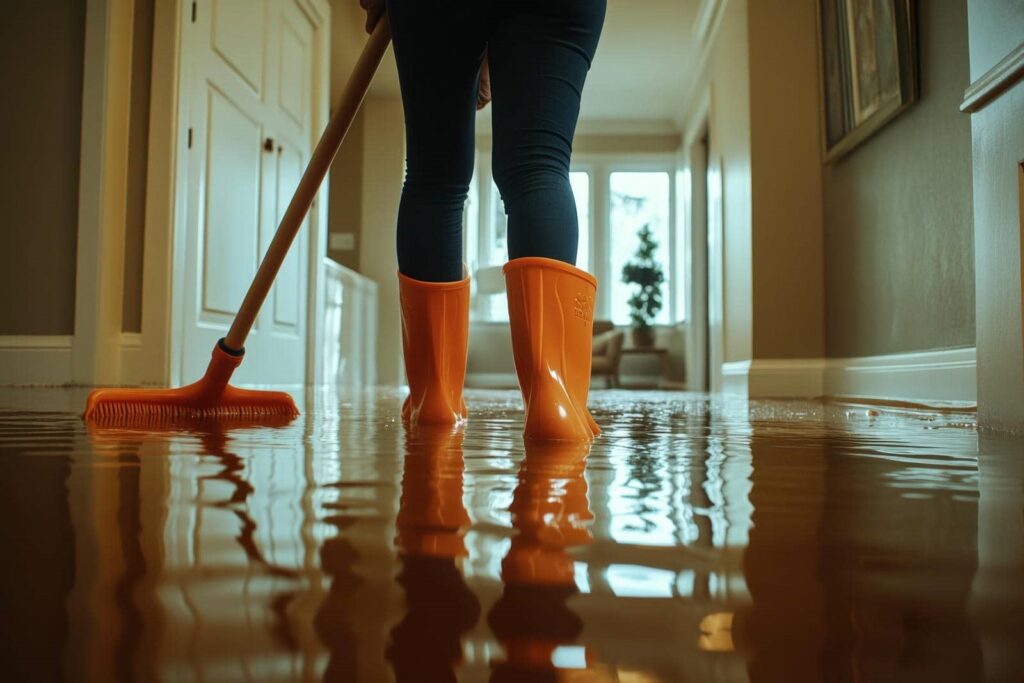
After you’ve extracted the majority of the water, mop up any residual moisture with absorbent towels. It’s critical to act swiftly, as stagnant water can lead to mold growth and further damage.
If the standing water contains contaminants, wear appropriate protective gear during the removal process. By prioritizing water extraction, you’re taking significant steps in safeguarding your home from lasting damage and creating a safer environment for yourself and your family.
Dry Out Affected Areas
After removing standing water, it’s essential to dry out affected areas to prevent mold growth and structural damage.
Here’s how you can effectively manage humidity control and enhance air circulation in your space:
Use Dehumidifiers: Place dehumidifiers in the affected areas to extract moisture from the air, keeping humidity levels low.
Open Windows and Doors: Increase air circulation by opening windows and doors. This helps in renewing the air and promoting faster drying.
Utilize Fans: Set up fans to direct airflow across wet surfaces. This accelerates evaporation and reduces remaining moisture.
Check Insulation: Inspect and remove wet insulation in walls and ceilings, as it can trap moisture and hinder drying.
Repair and Restore Surfaces
Once you’ve dried out the affected areas, repairing and restoring surfaces is essential to returning your home to its original condition.
Begin with thorough surface cleaning to eliminate any remaining moisture and contaminants. Use a suitable cleaner for the specific material—whether it’s wood, drywall, or tile—to ensure effective sanitation and prevent mold growth.
For material selection, consider the type of surfaces impacted. If your drywall is damaged, replacing it may be necessary. For hardwood floors, assess whether refinishing or replacing boards is more viable.
Seek materials that match your existing décor for a seamless look.
Once you’ve restored surfaces, apply a sealant or protective coating to enhance durability against future water damage.
With careful attention to surface cleaning and material selection, you’ll repair the damage and create a welcoming environment that feels like home again.
Frequently Asked Questions
How Can I Prevent Future Water Damage in My Home?
To prevent future water damage in your home, implement waterproofing techniques and schedule regular maintenance checks. Inspect your roof, gutters, and plumbing, ensuring everything functions correctly to safeguard your living space from moisture issues.
What Insurance Coverage Do I Need for Water Damage?
You need extensive homeowners’ insurance that includes water damage coverage. Review insurance policies for specific terms, as standard plans may not cover flooding or sewer backups. Consider additional riders for complete protection against water-related claims.
Are There Any Health Risks Associated With Water Damage?
Yes, water damage poses health risks, primarily through mold exposure. You might experience respiratory issues, allergies, or skin irritation. It’s essential to address water damage promptly to minimize these potential health effects and protect your well-being.
How Do I Identify Hidden Mold After Water Damage?
You can identify hidden mold by conducting a moisture assessment in damp areas. Use mold detection kits to test surfaces and the air. Check behind walls and under carpets, ensuring you address any moisture issues promptly.
When Should I Call a Professional for Water Damage Repair?
When water damage feels like an unstoppable tide, it’s time to call professional services. If you notice extensive damage, persistent odors, or structural issues, don’t hesitate—experts can restore your home and peace of mind.
Recap
By following these five DIY tips, you can tackle home water damage repair like a pro. Remember, quick action is key to preventing further issues and saving your home from turning into a swamp! Assess the damage, gather your tools, remove standing water, dry out affected areas, and repair surfaces to restore your space. With diligence and the right approach, you’ll have your home back to normal in no time, ready to withstand any future water challenges.