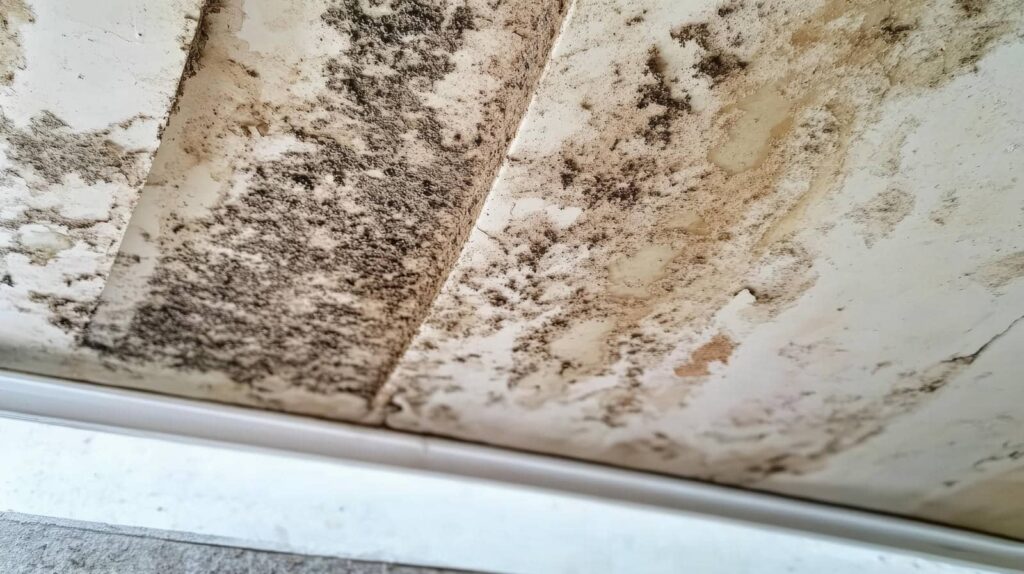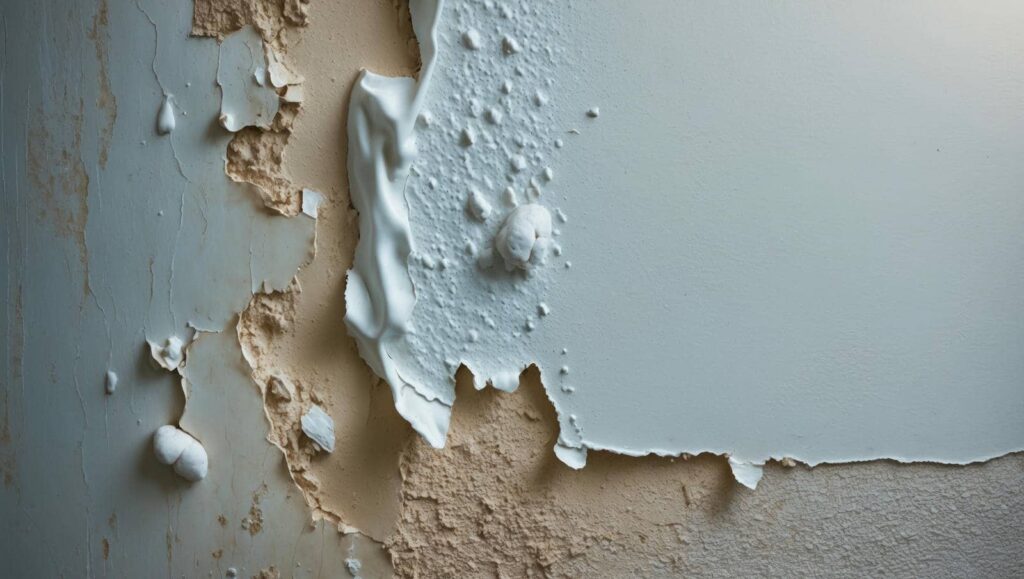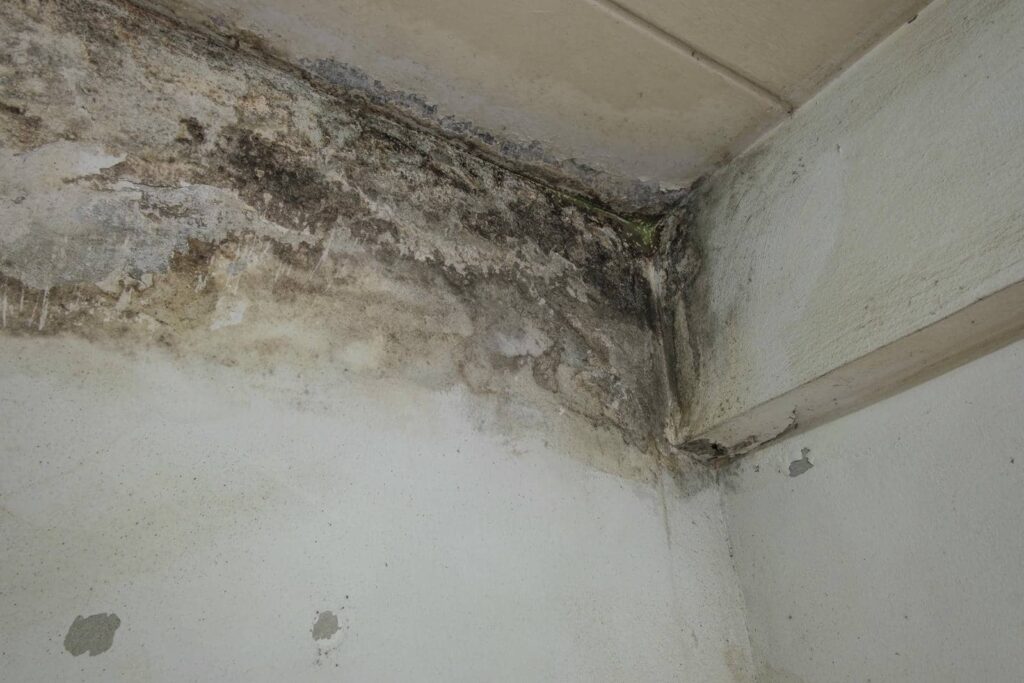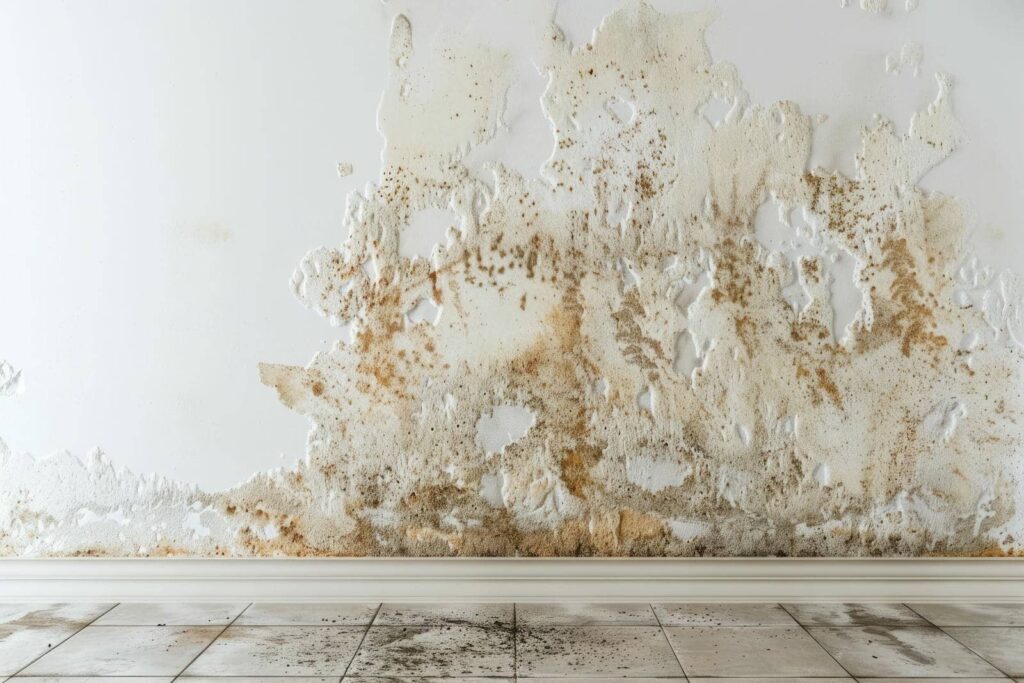
Mold can begin to grow within just 24 to 48 hours after water damage occurs, often unnoticed until it causes significant health issues. Ignoring this rapid development can lead to allergies and respiratory problems for you and your family. Addressing mold growth promptly isn’t just about preserving your property; it’s also essential for your well-being. Understanding the factors that contribute to mold proliferation can help you take the necessary steps to protect your home and health.
Key Takeaways
- Stopping mold growth prevents health issues, including allergies and respiratory problems, from developing due to prolonged exposure.
- Quick action minimizes structural damage to the home, preserving its integrity and value.
- Mold can proliferate within 24 to 48 hours after water damage, making immediate intervention crucial.
- Regular maintenance and prompt repairs reduce the likelihood of future mold outbreaks, ensuring a safer living environment.
- Effective mold control measures enhance overall quality of life and contribute to community wellness by maintaining safe spaces.
Understanding Mold Growth and Its Risks
When water damage occurs, it creates an ideal environment for mold growth, which can pose serious health risks. Understanding the mold lifecycle is essential in mitigating these risks. Mold spores thrive in damp, warm conditions, rapidly developing into colonies when moisture is present. This lifecycle progresses from spore germination to growth, reproduction, and eventual dispersion of new spores.
The health implications of mold exposure can range from mild allergies to severe respiratory issues, especially for sensitive individuals. Symptoms like coughing, sneezing, and skin irritation can disrupt your daily life and well-being.
Additionally, prolonged exposure may lead to chronic conditions, emphasizing the need for awareness. You should recognize that mold isn’t just an aesthetic issue; it’s a significant concern impacting your health and comfort.
The Importance of Timely Water Damage Restoration
Timely water damage restoration is vital because the longer moisture lingers, the greater the risk of mold proliferation and structural damage. If you experience water damage, acting quickly is imperative. A well-defined restoration timeline can greatly minimize potential health risks and repair costs.
When water seeps into walls, floors, and furniture, it creates a perfect breeding ground for mold, which can begin to grow within 24 to 48 hours. By prioritizing restoration, you protect your home and safeguard the well-being of your family.
Engaging professional restoration services ensures that every aspect of the damage is addressed efficiently. They’ve the tools and expertise to dry out affected areas and prevent mold from taking hold.
Identifying Areas Prone to Mold After Water Damage
After water damage, it’s essential to identify areas prone to mold, as certain spots are more susceptible than others.
Focus on common water damage areas like basements and bathrooms, where humidity levels tend to be higher.
Additionally, consider the building materials used, as some are more vulnerable to mold growth than others.
Common Water Damage Areas
Identifying common water damage areas is essential for preventing mold growth, as certain spaces in your home are more susceptible to moisture accumulation.
By focusing on these areas, you can tackle common leak sources and minimize moisture retention.
Here are three key areas to monitor:
Basements and crawl spaces: These areas often experience high humidity, making them ripe for mold formation.
Bathrooms: Leaky faucets, showerheads, and poor ventilation can lead to persistent moisture.
Kitchens: Dishwashers and sinks are common leak sources that can create wet conditions if not addressed promptly.
Humidity Levels and Mold
When humidity levels rise in your home, the risk of mold growth greatly increases, particularly in areas affected by water damage.
Maintaining effective humidity control is essential to prevent mold from taking hold. High humidity creates an ideal environment for mold spores to thrive, especially in hidden corners like basements or behind walls.
By implementing moisture management techniques, such as using dehumidifiers and ensuring proper ventilation, you can greatly reduce the chances of mold growth.
Regularly checking humidity levels with a hygrometer can help you stay proactive.
Remember, staying vigilant about humidity protects your home and fosters a healthier living environment for you and your family.
Take these steps seriously to safeguard your space from mold.
Building Material Vulnerabilities
As you assess your home for potential mold growth following water damage, it’s essential to recognize that certain building materials are more susceptible than others.
Understanding these material types can help you maintain your home’s structural integrity. Here are three key areas to inspect:
Drywall: This porous material absorbs moisture quickly, creating an ideal environment for mold.
Wood: Untreated wood can warp and rot, providing a breeding ground for mold spores if not dried promptly.
Carpeting: If soaked, carpets retain moisture and can harbor mold, especially if the underlay is also wet.
Effective Water Removal Techniques
Effective water removal techniques are essential in preventing mold growth after water damage. You need to act quickly to minimize moisture levels, which is where advanced drying methods come into play.
Utilize high-powered fans and dehumidifiers to expedite evaporation, ensuring that every corner of the affected area is addressed.
Moisture mapping can help you identify hidden damp spots that might otherwise go unnoticed. By using specialized tools, you can track moisture levels and target your drying efforts effectively.
This approach protects your property while fostering a sense of community by helping you share insights and strategies with others facing similar challenges.
Implementing Proper Drying Methods
After water damage, quick drying is essential to prevent mold growth.
You need to utilize effective equipment, like dehumidifiers and fans, to expedite this process.
Additionally, monitoring humidity levels ensures you maintain an environment that discourages mold development.
Importance of Quick Drying
Quickly drying out water-damaged areas is essential for preventing mold growth, since mold thrives in damp conditions.
Implementing effective, quick-drying techniques protects your home and promotes a healthier environment.
Here are three key aspects to focus on:
Assessment: Identify the extent of water damage to determine the necessary drying equipment.
Ventilation: Ensure proper airflow by opening windows and using fans to facilitate moisture removal.
Dehumidification: Utilize dehumidifiers to extract excess moisture, speeding up the drying process.
Effective Equipment Utilization
While evaluating the damage, you must choose the right equipment to tackle water removal efficiently. Start with high-capacity pumps and industrial-grade dehumidifiers to extract moisture quickly.
It’s crucial to verify your equipment is well-maintained, as reliable performance is critical in preventing mold growth. Regularly check filters and hoses for blockages, and inspect the power supply to avoid disruptions.
Additionally, consider conducting mold testing after drying to confirm that no spores remain. This proactive approach helps you avoid future issues and fosters a sense of community responsibility.
Monitoring Humidity Levels
To effectively prevent mold growth, it’s essential that you monitor humidity levels throughout the drying process.
Proper humidity control is vital in ensuring that your environment remains inhospitable to mold.
Here are three key steps to follow:
Use moisture meters: Invest in reliable moisture meters to accurately assess humidity levels in affected areas.
Set target humidity: Aim to maintain indoor humidity below 60% to inhibit mold growth effectively.
Regularly check and adjust: Periodically measure humidity levels and adjust dehumidifiers or ventilation systems as needed.
Utilizing Mold Inhibitors and Treatments
As you tackle mold growth after water damage, utilizing mold inhibitors and treatments becomes essential for effective remediation. Mold inhibitors are chemical agents designed to prevent mold spores from germinating and spreading.
When choosing treatment options, consider both surface applications and deeper penetrative solutions. For immediate action, a solution containing bleach can help disinfect affected areas, but remember to follow up with a mold inhibitor to maintain long-term effectiveness.
Products containing borate are also effective, as they inhibit mold growth while being safe for various surfaces. Always read labels carefully, as some inhibitors are designed for specific materials.
Confirm adequate ventilation during application and adhere to safety guidelines. By selecting appropriate mold inhibitors and treatment options, you create a healthier living environment, reducing the risk of mold resurgence and fostering a sense of community wellness.
Your proactive approach protects your home and enhances your overall quality of life.
Regular Maintenance and Monitoring to Prevent Recurrence
Regular maintenance and monitoring are crucial if you want to prevent mold from making a comeback after water damage. Implementing effective preventive measures and conducting routine inspections can greatly reduce the risk of mold growth.
Here are three key strategies to take into account:
Regular Inspections: Schedule monthly checks in areas prone to moisture, like basements and bathrooms. Look for leaks, damp spots, and any signs of mold.
Humidity Control: Keep indoor humidity levels below 60%. Use dehumidifiers and ensure proper ventilation in high-moisture areas to create an unfavorable environment for mold.
Prompt Repairs: Address any plumbing or structural issues immediately. Fix leaks and water damage as soon as possible to minimize mold’s opportunity to thrive.
Frequently Asked Questions
How Long Does It Take for Mold to Grow After Water Damage?
Mold can start growing within 24 to 48 hours after water damage. To prevent this, you must control moisture levels immediately, and understanding the mold growth timeline is essential for effective remediation and maintaining a healthy environment.
Can I Remove Mold Myself, or Should I Hire a Professional?
You can tackle mold yourself using DIY mold remediation methods, but if it’s extensive, hiring a professional might be smarter. Weigh the risks; your health is worth more than a quick fix in this battle against mold.
What Are the Health Symptoms of Mold Exposure?
Mold exposure can lead to mold allergies, causing sneezing, itching, or rashes. You might also experience respiratory issues, including coughing and difficulty breathing. It’s essential to address mold promptly to protect your health.
Is Mold Removal Covered by Homeowners Insurance?
Many homeowners face mold issues, and mold insurance policies often vary. Check your coverage limits; some policies may cover removal, while others exclude it. Knowing your coverage can save you from high costs.
How Do I Know if Mold Is Completely Gone?
You can know mold’s completely gone by conducting mold testing and performing a thorough surface inspection. If results show no spores and surfaces appear clean, you’ve effectively eliminated the mold problem from your home.
Review
In the battle against mold, acting swiftly is your best weapon. Just like weeds can overrun a garden if left unchecked, mold can take hold in your home within days of water damage. By understanding the risks and employing effective restoration techniques, you safeguard your property and protect your health and well-being. So, stay vigilant and proactive; maintaining a mold-free environment is essential for a healthy, thriving home.