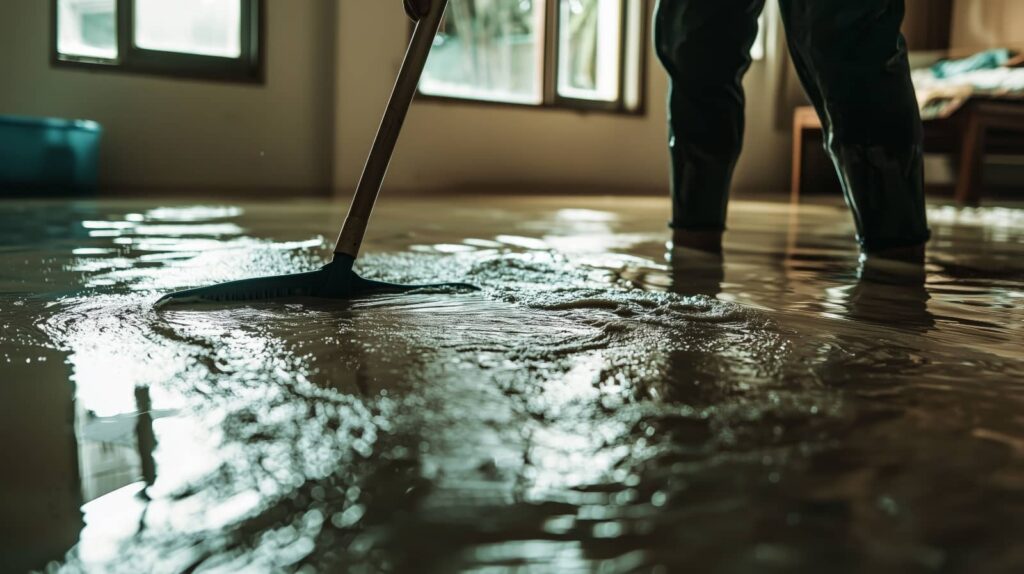
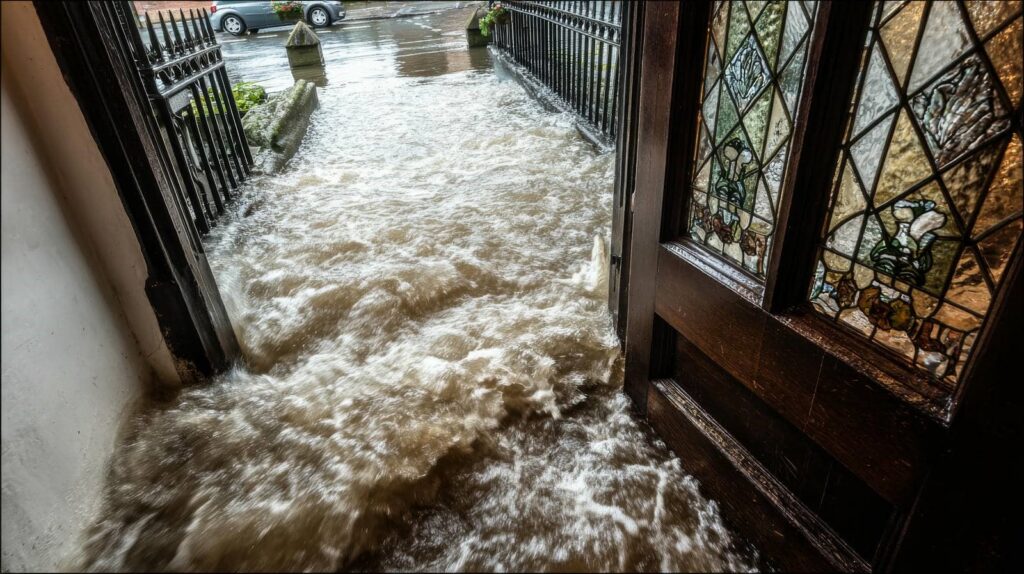
When faced with water damage, you might wonder why cleanup costs are often covered by insurance. This water damage cleanup coverage exists to alleviate the financial strain on homeowners from unforeseen incidents, like burst pipes or appliance failures. It’s essential to understand how your policy works and what specific scenarios are included. By grasping these concepts, you can better navigate the complexities of claims and ensure you’re adequately protected when disaster strikes. What else should you know about your coverage?
Key Takeaways
- Homeowners insurance typically covers internal water damage, ensuring property restoration after incidents like broken pipes or appliance failures.
- Insurance policies help mitigate financial losses associated with water damage cleanup, preventing out-of-pocket expenses for homeowners.
- Timely reporting of water damage enhances coverage eligibility, leading to quicker assessments and successful claims.
- Professional cleanup services, often covered by insurance, ensure thorough restoration and compliance with industry standards.
- Understanding policy specifics ensures adequate protection against common water damage scenarios, reinforcing the importance of proper coverage.
Understanding Water Damage Types
When dealing with water damage, how can you effectively identify the type you’re facing? Understanding the differences is essential for an appropriate response and recovery.
There are generally three categories: clean water, grey water, and black water. Clean water typically comes from sources like a broken pipe, while grey water involves contaminants, such as from a washing machine. Black water, which includes flood damage, poses serious health risks due to sewage or toxic substances.
Identifying the source can help in determining the necessary leak repair methods. For instance, clean water damage might require only drying and dehumidification, whereas grey and black water might need more extensive cleanup and sanitization.
Each type affects your home differently, influencing both immediate action and long-term restoration efforts. By grasping these distinctions, you’ll be better equipped to handle the situation effectively and ensure your space returns to a safe, livable condition.
Insurance Policy Basics
Understanding your insurance policy is essential when it comes to water damage.
You’ll want to familiarize yourself with the different types of coverage available, including specific water damage policies and common exclusions that may apply.
Knowing these details can greatly impact your financial responsibility during the claim process.
Types of Insurance Coverage
Several types of insurance coverage can greatly impact your response to water damage incidents. Understanding your policy can provide peace of mind.
Here are three key types to evaluate:
- Homeowners Insurance: Typically covers water damage from internal sources, like burst pipes, but often excludes flood-related incidents.
- Flood Insurance: Essential for those in flood-prone areas, this coverage specifically addresses damages from rising water, helping you recover effectively.
- Liability Coverage: Protects you against claims if water damage affects others, ensuring you’re financially secure in legal situations.
Specific Water Damage Policies
Although water damage can arise from various sources, knowing the specifics of your insurance policy is crucial for effective recovery.
Your water damage policies should clearly outline what types of damage are covered, whether from flooding, leaks, or other sources. Pay close attention to coverage limits, as they dictate the maximum reimbursement you can receive for repairs. Some policies might only cover specific incidents, while others may have broader coverage.
Understanding these details helps you prepare for potential out-of-pocket expenses. Additionally, familiarize yourself with the claims process to ensure you can act swiftly if water damage occurs.
Being informed about your policy empowers you to make sound decisions when facing the aftermath of water-related incidents.
Common Exclusions Explained
While your insurance policy may cover various types of water damage, it’s essential to be aware of common exclusions that can leave you vulnerable.
Understanding these can help you avoid unexpected costs. Here are three common insurance exclusions to take into account:
- Flood Damage: Many policies don’t cover damage caused by natural flooding, requiring separate flood insurance.
- Negligence: If water damage results from neglect, such as failing to maintain plumbing, your claim might be denied.
- Sewer Backups: Damage from sewer backups often requires additional coverage, as it’s typically excluded from standard policies.
Common Exclusions in Water Damage Coverage
What should you know about the common exclusions in water damage coverage? It’s essential to understand that not all water damage scenarios are covered by your insurance policy. Many policies include water damage exclusions that can catch you off guard.
For instance, damage from flooding typically requires separate flood insurance, as it’s often excluded from standard coverage. Additionally, if water damage stems from neglect, such as a long-term leak or poor maintenance, you may find your claim denied due to insurance policy limitations.
Moreover, damage caused by sewer backups can also fall outside your coverage unless specifically included. Knowing these exclusions can help you make informed decisions about your coverage needs and potential additional policies.
Always review your policy thoroughly to clarify what’s and isn’t covered, ensuring you’re adequately protected against unexpected water damage scenarios.
The Importance of Timely Reporting
When you report water damage promptly, you enhance your chances of a successful insurance claim and minimize the potential for further damage to your property.
Timely notification allows insurers to assess the situation quickly, leading to faster remediation efforts.
Prompt Notification Benefits
Timely reporting of water damage can greatly impact the outcome of your insurance claim.
When you communicate promptly, you reveal several benefits:
- Faster Response Time: Insurance adjusters can assess the damage quickly, leading to a swifter resolution.
- Minimized Losses: Addressing issues early can prevent further damage, ultimately reducing your claim amount.
- Stronger Claim: Timely communication can strengthen your case, as insurers often prioritize claims reported promptly.
Preventing Further Damage
Promptly reporting water damage expedites your insurance claim and helps prevent further damage to your property.
When you act quickly, you enable a thorough water damage assessment by professionals who can identify the extent of the issue and recommend immediate solutions.
Delays can lead to mold growth, structural deterioration, and increased repair costs.
By prioritizing timely reporting, you’re also engaging in preventive maintenance, safeguarding your investment.
Regular communication with your insurance provider ensures they understand the situation, helping facilitate a smoother claims process.
Ultimately, taking these proactive steps protects your home and fosters a sense of community, reinforcing the importance of shared responsibility in maintaining safe living environments.
Documentation Required for Claims
To successfully file an insurance claim for water damage, you’ll need to gather several key pieces of documentation. Proper claims documentation is essential for a smooth claim submission, and having the right materials on hand can make a significant difference.
Here are three vital items to prepare:
- Photos and Videos: Take clear pictures or videos of the damage to illustrate the extent of the water damage. This visual evidence supports your claim and helps adjusters assess the situation quickly.
- Repair Estimates: Obtain estimates from professionals for necessary repairs. These documents provide cost projections and validate your claim’s legitimacy.
- Incident Report: Include any reports from emergency services or professional water damage restoration companies. This documentation establishes a timeline and context for the damage.
How to Navigate the Claims Process
After gathering the necessary documentation for your water damage claim, the next step is overseeing the claims process itself. Familiarizing yourself with claims terminology is vital. Understanding terms like “deductible” and “covered perils” can help you communicate effectively with your insurance adjuster.
Start by filing your claim promptly; insurers often have time limits.
As you engage with the claims adjuster, provide clear and concise information. If your claim is initially denied or you feel the settlement is insufficient, don’t hesitate to initiate claim escalation. This involves formally requesting a review of your claim by a higher authority within the insurance company.
Throughout the process, document all communications and decisions. This helps in clarifying any misunderstandings and strengthens your case.
The Role of Professional Cleanup Services
While tackling water damage on your own may seem feasible, enlisting professional cleanup services often proves crucial for effectively restoring your property.
These experts bring valuable professional expertise, ensuring a thorough and efficient restoration process. Here’s why you should consider hiring them:
- Assessment and Planning: Professionals evaluate the extent of water damage, developing a tailored cleanup strategy to address specific issues efficiently.
- Advanced Equipment: They utilize specialized tools and technology that enhance cleanup efficiency, allowing for faster drying and damage prevention.
- Health and Safety: Trained technicians know how to identify and mitigate potential hazards, such as mold growth or electrical risks, protecting you and your property.
Preventive Measures to Reduce Future Risks
Effective water damage restoration doesn’t just end with cleanup; it’s also about taking proactive steps to minimize future risks. Implementing water-saving techniques can considerably reduce the likelihood of leaks and subsequent damage.
For instance, regularly checking your appliances and plumbing fixtures for signs of wear can help catch issues before they escalate.
Incorporating leak detection systems can also be beneficial. These systems alert you to leaks in real-time, allowing for immediate action to prevent extensive damage.
You should also maintain your gutters and downspouts, ensuring they direct water away from your foundation. Additionally, consider insulating pipes to prevent freezing and bursting during colder months.
Frequently Asked Questions
Does Homeowners Insurance Cover Flooding From Natural Disasters?
Homeowners insurance typically doesn’t cover flooding from natural disasters. You’ll need a separate flood insurance policy for that protection, ensuring you’re prepared financially if an unexpected flood impacts your home and belongings.
Are Basement Water Damages Always Covered by Insurance?
Basement water damages aren’t always covered by insurance. For instance, if poor basement maintenance led to a leak, your insurance policy might deny the claim. Always review your policy details to avoid unexpected costs.
Can I File Multiple Claims for Water Damage?
Yes, you can file multiple claims for water damage, but claim frequency may affect your premiums. It’s crucial to understand your policy limits and the potential impact on future coverage before proceeding with additional claims.
How Do Deductibles Affect My Water Damage Claim?
Deductibles can feel like mountains when filing your water damage claim. Different deductible types impact your out-of-pocket costs and overall claim process, so understanding them helps you navigate your insurance benefits effectively.
What if My Insurance Company Denies My Claim?
If your claim’s denied, start the claim appeal process. Review your insurance policy thoroughly to understand your coverage, then gather supporting documentation to strengthen your case. Persistence can lead to a successful outcome.
Recap
In the grand tapestry of homeownership, water damage can strike like a thief in the night, but your insurance acts as a vigilant guardian. By understanding coverage nuances and acting swiftly, you can restore your sanctuary with minimal financial strain. Just as Odysseus navigated treacherous waters, you too can chart a successful course through the claims process. Equip yourself with knowledge and professional help to safeguard against future deluges, ensuring your home remains your haven.