After a flood, you need to act swiftly to prevent mold growth in your home. Ignoring the aftermath can lead to serious health risks and costly repairs. Start by evaluating the damage and removing excess water immediately. It’s essential to dry out affected areas effectively and maintain low humidity levels. Understanding the mold prevention steps to take can make all the difference in safeguarding your space. What strategies can you implement to ensure long-term mold prevention?
Key Takeaways
- Act quickly to remove excess water using pumps and wet/dry vacuums to minimize moisture levels.
- Maintain indoor humidity between 30% and 60% using hygrometers and dehumidifiers.
- Ensure proper airflow by opening windows, using fans, and positioning them towards damp surfaces.
- Regularly inspect for hidden moisture in attics, crawl spaces, and behind appliances to catch potential mold growth early.
- Educate the community about mold health risks and proactive prevention strategies to foster a mold-aware environment.
Assessing Water Damage Immediately
As soon as the floodwaters recede, it’s essential to assess the water damage to your property.
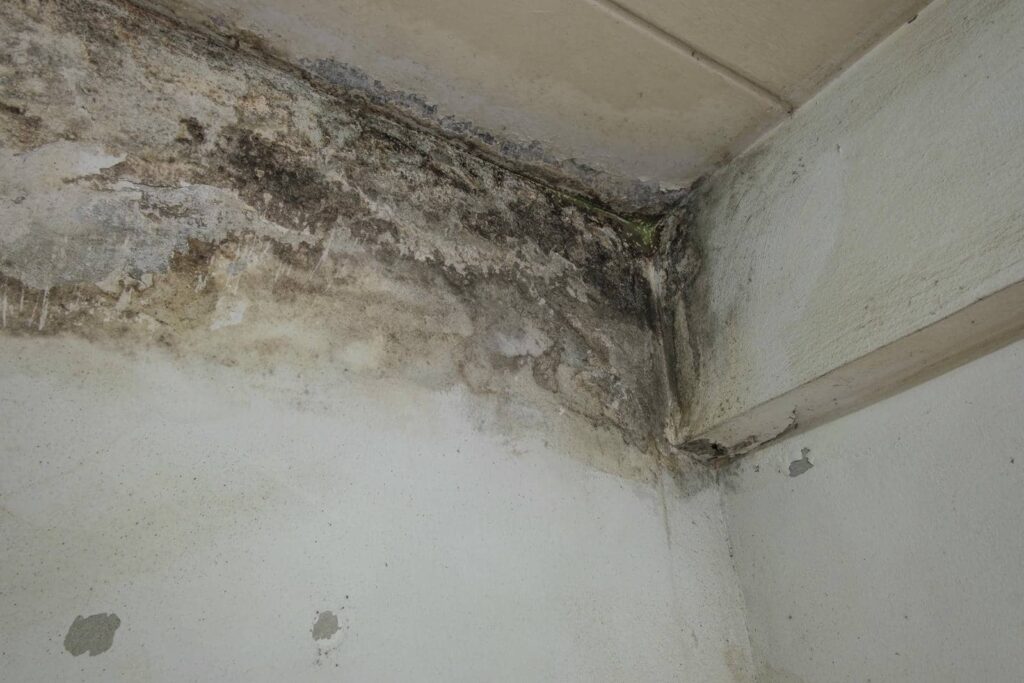
Begin with a thorough water damage assessment, focusing on areas most affected by floodwaters. Conduct a visual inspection of walls, floors, and ceilings to identify discoloration, warping, or peeling paint. Pay close attention to hidden spaces, such as crawl spaces and attics, where moisture can linger unnoticed.
Document your findings carefully, as this information will be important for insurance claims and remediation efforts.
Remember, even if you can’t see visible damage, hidden moisture can lead to mold growth, posing health risks. If you spot significant damage, it’s wise to consult professionals who can provide a more detailed analysis and advice on the next steps.
Taking these initial actions helps you understand the extent of the damage and fosters a sense of community as you navigate recovery together with others facing similar challenges.
Removing Excess Water Quickly
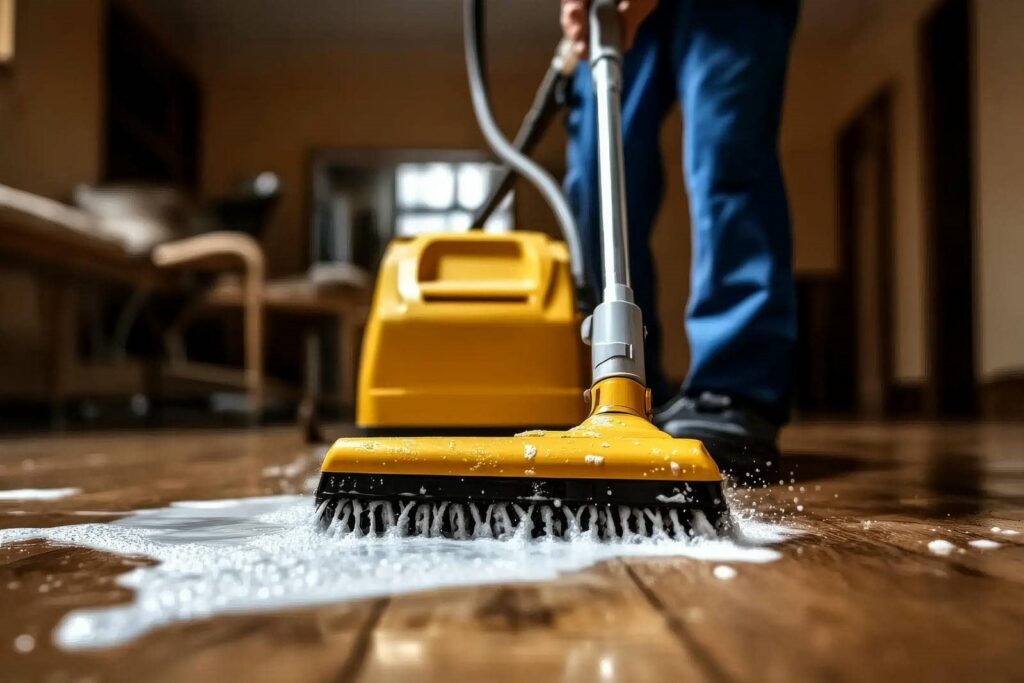
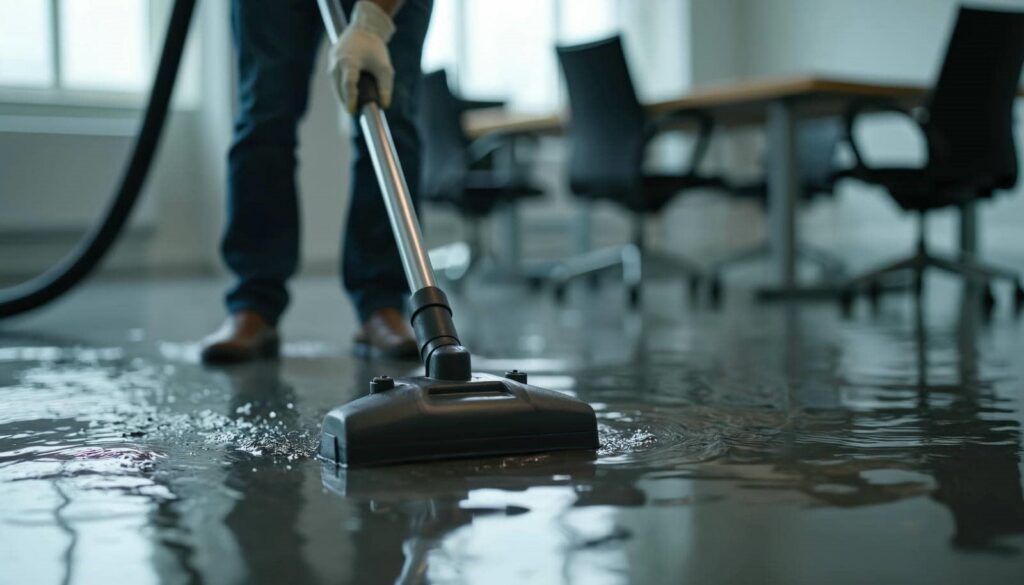
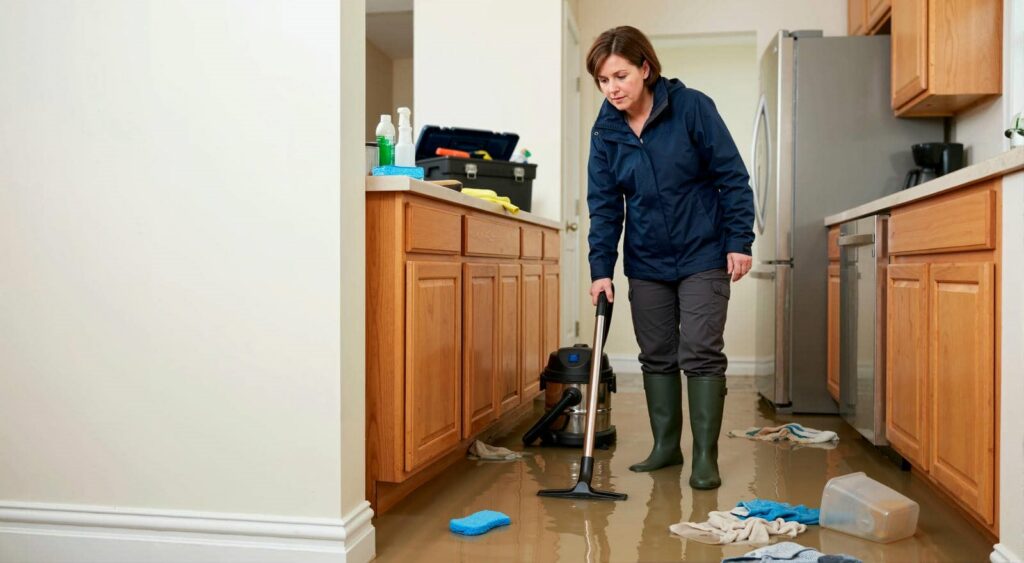
Removing excess water quickly is essential to preventing mold growth and further damage to your property. Start with effective water extraction methods to eliminate standing water as soon as possible.
Depending on the severity of the flooding, consider various pump options, such as submersible pumps or utility pumps, which can efficiently handle large volumes of water.
Additionally, make sure you’re equipped with wet/dry vacuums for smaller areas or hard-to-reach spots. Don’t underestimate the importance of speed; the longer water sits, the higher the risk of mold proliferation and structural damage.
As you extract water, monitor moisture levels closely to confirm effective removal. Collaborating with professionals can enhance your efforts, providing expertise and additional equipment if needed.
Drying Out Affected Areas
Once you’ve extracted the excess water, drying out affected areas becomes essential in preventing mold growth and restoring your property.
Effective drying techniques can greatly reduce the risk of mold, so it’s vital to act quickly. Here are some key strategies to implement:
- Ventilate: Open windows and doors to promote airflow and speed up evaporation.
- Dehumidify: Use dehumidifiers to draw moisture from the air, creating a drier environment.
- Heat: Increase the temperature in the affected areas to facilitate faster drying.
- Install moisture barriers: Consider using moisture barriers on walls and floors to prevent future water absorption.
Cleaning and Disinfecting Surfaces
While drying out your home is essential, cleaning and disinfecting surfaces is equally important to prevent mold from taking hold. Start by identifying all affected areas, including walls, floors, and furniture.
Use effective cleaning solutions that can eliminate mold spores and bacteria. Consider a mixture of water and detergent for general cleaning. For tougher spots, opt for surface disinfectants that contain bleach or other antimicrobial agents.
Make sure to follow the manufacturer’s instructions for proper dilution and application. Scrub surfaces thoroughly, paying special attention to corners and crevices where moisture may linger.
After cleaning, rinse surfaces with clean water to remove any residue, and dry them completely to discourage mold growth. Don’t forget to clean any items that may have been in contact with floodwaters, including textiles and personal belongings.
Monitoring Humidity Levels
To prevent mold growth after flooding, you need to monitor humidity levels closely.
Ideally, indoor humidity should remain between 30% and 60%.
Using tools like hygrometers can help you measure and maintain these levels effectively.
Ideal Humidity Range
Maintaining the ideal humidity range is essential in preventing mold growth after flooding, as excessive moisture creates an environment ripe for fungal proliferation.
Ideally, you want to keep indoor humidity levels between 30% and 60%. This range supports comfort while effectively managing moisture and promoting humidity control.
To achieve this, consider the following tips:
- Use dehumidifiers in damp areas.
- Ventilate spaces by opening windows and doors.
- Repair leaks promptly to prevent water accumulation.
- Monitor humidity levels regularly with a hygrometer.
Tools for Measurement
Measuring humidity levels accurately is essential for effective mold prevention after flooding. To achieve this, you’ll want to invest in reliable tools like moisture meters and humidity gauges.
Moisture meters provide precise readings of the moisture content in building materials, helping you identify hidden damp areas that could foster mold growth. On the other hand, humidity gauges track the overall humidity levels in your environment, allowing you to maintain conditions conducive to mold prevention.
Aim to keep indoor humidity below 60%. Regularly monitor these levels, especially in flood-affected areas, and take action as needed.
Using Mold Inhibitors
While flooding can leave your home vulnerable to mold growth, using mold inhibitors can greatly reduce this risk.
The effectiveness of these products often depends on proper application and understanding chemical safety. Here are some key points to reflect upon when using mold inhibitors:
- Choose EPA-approved mold inhibitors for safety and effectiveness.
- Apply inhibitors to all affected surfaces, ensuring even coverage.
- Reapply as necessary, especially in high-humidity areas.
- Monitor your home regularly for signs of mold despite treatment.
Repairing Structural Damage
Once you’ve addressed mold prevention, tackling structural damage becomes essential to restoring your home after flooding.
First, assess the structural integrity of your property by checking for sagging floors, cracked walls, or weakened beams. These issues can compromise your home’s safety and require immediate attention.
Next, consider various repair techniques based on the extent of the damage. For minor cracks, a high-quality filler can restore stability, while more severe issues might necessitate professional intervention.
Reinforcing beams with steel brackets or replacing damaged drywall ensures your home regains its strength.
Don’t forget to keep an eye on moisture levels during repairs. Maintaining a dry environment helps prevent further damage and mold growth.
Ventilating Spaces Effectively
To prevent mold growth after flooding, you need to ventilate your spaces effectively.
Open windows and doors to allow fresh air to circulate, which helps reduce humidity levels.
Additionally, using fans can enhance airflow, directing moist air out and promoting quicker drying.
Open Windows and Doors
Opening windows and doors is an essential step in effectively ventilating spaces after flooding, as it allows fresh air to circulate and helps reduce humidity levels.
Natural ventilation is vital in preventing mold growth, so take advantage of the outside breeze. Here are some tips to maximize this process:
- Open windows on opposite sides to create cross-ventilation.
- Use screens to keep bugs out while letting fresh air in.
- Keep doors ajar to promote airflow throughout your home.
- Monitor weather conditions to avoid trapping humidity indoors.
Use Fans Strategically
After ensuring your windows and doors are open for ventilation, strategically using fans can greatly enhance airflow and reduce moisture levels in your home.
Start by evaluating fan placement; position fans near damp areas to increase airflow direction toward those spots. This helps to evaporate excess moisture effectively.
You might want to create a cross-ventilation effect by placing fans facing outwards in one area while others blow air in from another. This technique optimizes airflow throughout your space, promoting drying.
Remember to keep fans running consistently for the best results. By making thoughtful choices about where and how you use fans, you can considerably minimize the risk of mold growth, creating a healthier environment for you and your family.
Inspecting for Hidden Mold
How can you effectively uncover hidden mold after flooding? Detecting hidden mold is essential for maintaining a healthy home.
Start by looking for common mold growth signs, as these can indicate underlying issues. Here are some key areas to inspect:
- Damp Walls: Check for discoloration or peeling paint, which can signal moisture behind the surface.
- Underneath Carpets: Lift carpets to see if the padding is wet or smells musty.
- Attics and Crawl Spaces: Inspect these often-forgotten areas, as they can trap moisture and foster mold growth.
- Behind Appliances: Look behind your fridge, washing machine, and other appliances that may retain water.
Educating Residents on Mold Risks
Understanding the risks associated with mold is essential, especially after flooding, as it can lead to serious health issues. Mold can trigger allergic reactions, respiratory problems, and other health concerns, impacting your well-being and that of your loved ones.
That’s why prevention education is key. You need to recognize the signs of mold growth and understand the importance of swift action. Educate yourself and your neighbors about proper drying techniques and the significance of maintaining low humidity levels.
Share resources on mold health risks and encourage open conversations about mold prevention strategies within your community. Create a collective awareness by organizing workshops or distributing informative materials.
When residents are informed, they can take proactive steps to minimize risks. Together, you can foster a healthier environment, ensuring everyone feels safe and secure in their homes.
Frequently Asked Questions
How Long Does It Take for Mold to Grow After Flooding?
Mold can start growing within 24 to 48 hours after flooding. In the flooding aftermath, a quick response is essential to prevent an accelerated mold growth timeline. Act fast to protect your space and health.
Can I Use a Dehumidifier to Prevent Mold?
Yes, you can use a dehumidifier to prevent mold. Set it to maintain ideal humidity levels, ideally below 50%. Consistent monitoring and adjustments to the settings help create a healthier, mold-free environment for everyone.
What Materials Are Most Susceptible to Mold Growth?
Wood materials and fabric items are most susceptible to mold growth. They retain moisture easily, providing a perfect environment for mold to thrive. You should regularly check and maintain these materials to prevent infestations.
Should I Throw Away Soaked Belongings to Prevent Mold?
You shouldn’t automatically throw away soaked items. Instead, conduct a mold assessment. Some belongings might be salvageable with proper cleaning and drying, while others could pose risks for mold growth and should be discarded.
Are There Any Natural Mold Prevention Methods?
Sure, you could opt for chemical solutions, but why not try natural remedies instead? Essential oils like tea tree and lavender offer potent mold-fighting properties. They’re eco-friendly and safe for your home environment, too.
Conclusion
In the wake of a flood, your swift actions can greatly reduce mold risks. Coincidentally, implementing these prevention tips protects your home and your health and well-being. Remember, mold thrives in moisture, so staying vigilant about drying, disinfecting, and monitoring humidity levels is essential. As you educate yourself and others, you foster a community that prioritizes safety, ensuring that everyone can breathe easier in the aftermath of a disaster.