Water damage can feel like a relentless tide, threatening to engulf your business. When disaster strikes, immediate solutions are essential to mitigate the impact. You need to act quickly, evaluating the commercial water damage and shutting off the water supply. From there, efficient removal of standing water sets the stage for effective drying and sanitization. What steps should you take next to ensure your property is restored and your operations remain uninterrupted?
Key Takeaways
- Quickly assess damage by locating water intrusion sources and identifying affected areas for timely response and documentation.
- Shut off the main water supply to halt further water flow and minimize damage.
- Remove standing water immediately using industrial-grade pumps to prevent further damage and contamination.
- Clean and sanitize all affected surfaces with EPA-approved disinfectants to prevent mold growth and health risks.
- Conduct a thorough structural evaluation to ensure stability before restoring or replacing damaged materials.
Assessing the Damage Quickly
When you encounter commercial water damage, a prompt assessment is crucial to minimizing losses and ensuring a swift recovery.
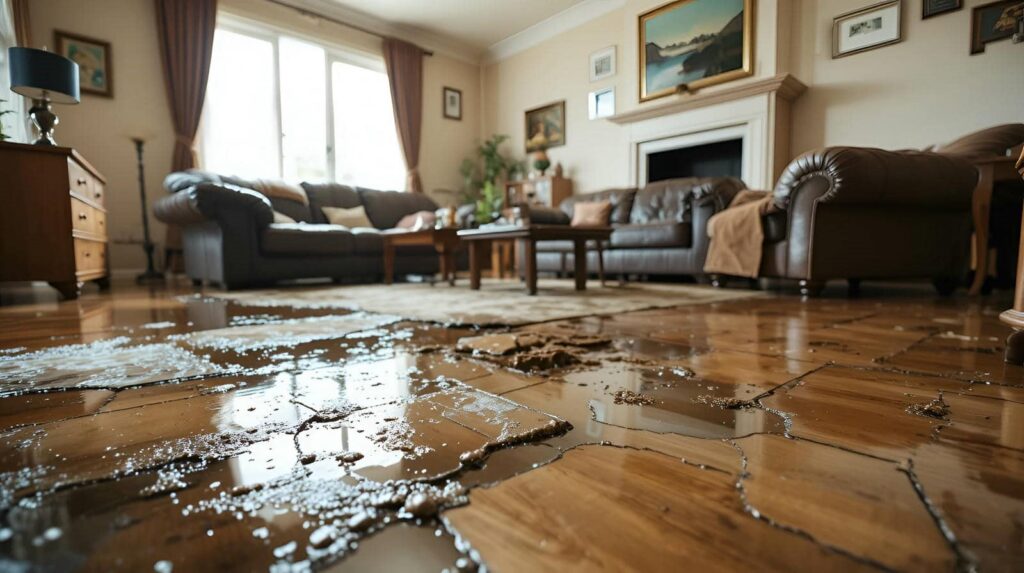
Begin your damage evaluation by locating the source of the water intrusion and identifying affected areas, including walls, floors, and ceilings. Conduct a rapid assessment to determine the extent of the damage and the type of water involved—clean, gray, or black. This distinction is significant, as it affects the remediation process and safety protocols.
Next, document your findings with photographs and detailed notes to establish a thorough record. This will aid in insurance claims and future reference.
Engage professionals if the damage is extensive; their expertise ensures a complete evaluation. By acting promptly and efficiently, you protect your property and foster a sense of community and support among your team, reassuring them that recovery is possible and well underway.
Shutting Off Water Supply
To mitigate water damage effectively, you need to locate the main water valve immediately.
Once found, shut it off quickly to halt the flow of water and prevent further damage to your commercial property.
Acting swiftly in this critical step can greatly reduce repair costs and disruption.
Locate Main Water Valve
Locating the main water valve is essential for effectively shutting off your water supply during a commercial water damage incident.
Understanding the different water valve types—such as gate valves, ball valves, and globe valves—can help you identify the correct shutoff location. Typically, the main valve is situated near where the water line enters your building, often in basements, crawl spaces, or utility rooms.
It’s usually a round wheel or lever that you can turn. Knowing its precise location and function will allow you to act quickly in an emergency.
Regularly check and test the valve to ensure it operates smoothly, fostering a proactive approach to water management within your facility and enhancing your preparedness for potential incidents.
Turn Off Quickly
In an emergency, shutting off your water supply quickly is critical to minimizing damage and preventing further complications. This immediate response ensures that water extraction can begin without delay, protecting your property and assets.
Here are some steps to follow:
- Locate the main water valve swiftly.
- Turn off the valve to stop the flow of water.
- Notify your emergency response team for assistance.
- Document the situation for insurance claims.
- Initiate water extraction as soon as possible.
Taking these actions promptly can make a significant difference in the extent of damage your commercial space sustains.
Prevent Further Damage
Once you’ve turned off the water supply, it’s essential to take additional steps to prevent further damage to your property.
Begin by evaluating the affected areas, removing any standing water with pumps or wet vacuums. This immediate action minimizes moisture exposure, protecting structures and contents.
Next, implement waterproofing strategies, such as sealing cracks and applying water-resistant materials, to guard against future incidents.
Consider conducting regular preventive maintenance checks on plumbing systems and drainage pathways to identify potential issues before they escalate.
Collaborating with professionals can enhance your efforts, ensuring that your property remains secure and resilient.
Removing Standing Water
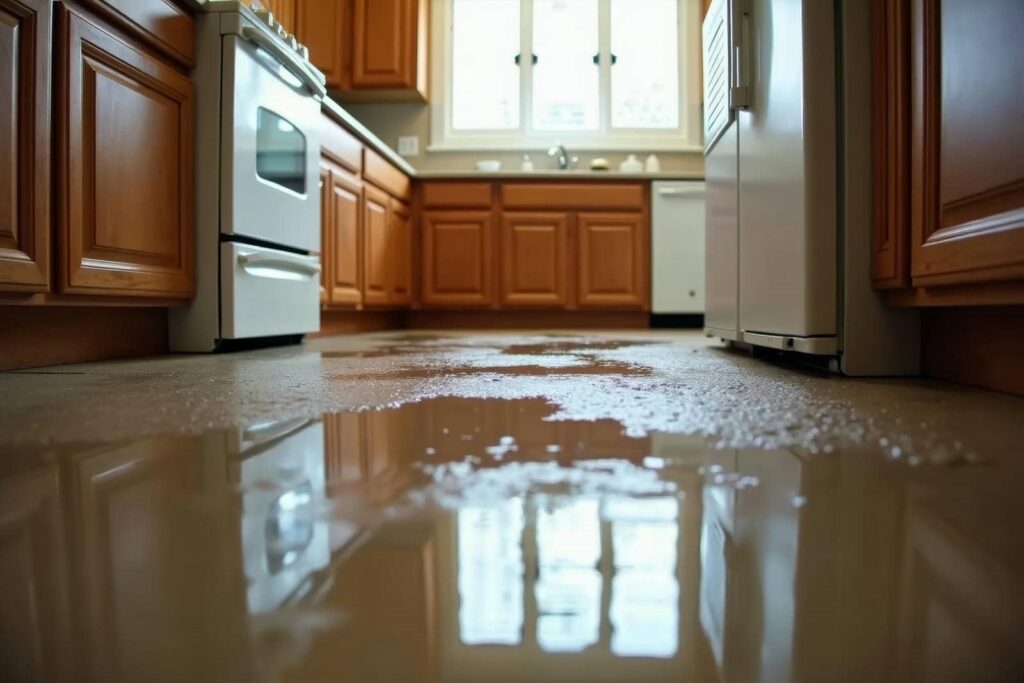
When faced with standing water in a commercial space, swift action is essential to mitigate damage and prevent further complications.
Begin the process of water extraction immediately to minimize the impact on your property. Use industrial-grade pumps and vacuums specifically designed for large-scale water removal.
To effectively remove standing water, consider these key steps:
- Assess the extent of the water intrusion
- Establish a safe area to work in
- Utilize appropriate personal protective equipment (PPE)
- Employ commercial pumps for efficient water extraction
- Dispose of contaminated water according to local regulations
Drying and Dehumidifying the Area
Once you’ve removed standing water, rapid drying is essential to prevent further damage and mold growth.
Utilizing specialized equipment, such as industrial dehumidifiers and air movers, ensures effective moisture extraction, creating an ideal environment for restoration.
Regularly monitoring humidity levels will help you assess progress and adjust your drying strategy as needed.
Importance of Rapid Drying
Rapid drying is essential in mitigating the long-term effects of water damage, as it prevents mold growth and structural deterioration.
Implementing effective moisture control and advanced drying techniques can markedly reduce damage and recovery time.
Here are key reasons to prioritize rapid drying:
- Stops mold proliferation within 24-48 hours.
- Preserves the structural integrity of walls and flooring.
- Reduces the risk of secondary damage to electrical systems.
- Minimizes business interruption and operational downtime.
- Enhances air quality, promoting a healthier environment.
Equipment for Effective Dehumidifying
To effectively combat moisture and facilitate rapid drying in water-damaged areas, utilizing the right equipment is essential for successful dehumidification.
Understanding dehumidifier types is vital; you’ll typically encounter refrigerant and desiccant models. Refrigerant dehumidifiers work well in warm environments, condensing moisture from the air, while desiccant units excel in cooler conditions, absorbing humidity effectively.
Additionally, integrating air movers can enhance moisture control by circulating air and accelerating evaporation. For large commercial spaces, consider high-capacity models that can handle significant moisture loads.
Always choose equipment that matches your specific situation. By employing the right tools, you’ll expedite the drying process and create a healthier environment, minimizing the risk of mold and structural damage.
Monitoring Humidity Levels
As you work to restore a water-damaged area, monitoring humidity levels becomes an essential step in ensuring effective drying and dehumidification.
Accurate humidity monitoring allows you to maintain ideal moisture control, preventing further damage and promoting a quicker recovery.
Consider these key actions:
- Use hygrometers to measure humidity levels regularly.
- Set dehumidifiers based on real-time humidity readings.
- Maintain airflow to facilitate faster evaporation.
- Conduct moisture assessments in various areas to identify hotspots.
- Adjust your drying strategy as humidity levels change.
Cleaning and Sanitizing Affected Surfaces
Once water damage has been assessed, cleaning and sanitizing affected surfaces become essential to preventing further complications, such as mold growth and structural deterioration.
Start by using effective surface disinfection techniques, like applying EPA-approved disinfectants that kill bacteria and viruses. Pay close attention to porous surfaces, which may require deeper cleaning or replacement.
As you proceed, implement mold prevention strategies, such as ensuring all surfaces are thoroughly dried and ventilated.
Utilize dehumidifiers to maintain ideal humidity levels, reducing the risk of mold resurgence.
Don’t forget to wear appropriate personal protective equipment (PPE) to safeguard your health during this process.
Remember, consistent and thorough cleaning protects your property and enhances the safety and well-being of everyone who occupies the space.
Repairing and Restoring Property
Repairing and restoring property after water damage requires a systematic approach to ensure structural integrity and functionality.
You’ll want to begin with a thorough property evaluation to assess the extent of the damage. This vital step confirms that your insurance claims are properly documented and supported.
Once the evaluation is complete, follow these key steps:
- Remove damaged materials, such as drywall and flooring
- Address any structural issues, reinforcing beams or walls as necessary
- Install new materials, making sure they meet current building codes
- Conduct moisture testing to prevent future mold growth
- Finalize the restoration with a detailed inspection to confirm everything is up to standard
Frequently Asked Questions
How Can I Prevent Future Water Damage in My Commercial Property?
To prevent future water damage in your commercial property, invest in effective waterproofing solutions and install proper drainage systems. Regularly maintain these systems to ensure they function correctly and safeguard your investment against potential damage.
What Insurance Options Cover Commercial Water Damage Restoration?
For extensive coverage, consider commercial property insurance policies that include water damage restoration. Review your coverage limits carefully, ensuring they meet potential restoration costs, protecting your investment and providing peace of mind during unforeseen water events.
How Long Does the Water Damage Restoration Process Typically Take?
The restoration timeline typically spans from a few days to several weeks, depending on damage severity. Effective drying techniques are essential, ensuring thorough moisture removal and minimizing further issues, which helps expedite the overall process.
Can I Handle Water Damage Cleanup Myself?
You can attempt DIY cleanup for minor water damage, but professional assistance is often essential for extensive issues. Professionals ensure thorough restoration, preventing mold growth and structural damage, ultimately safeguarding your property and investment.
What Are the Health Risks Associated With Water Damage?
Water damage poses serious health risks, including mold growth that can trigger respiratory issues. You should address any moisture promptly to prevent these hazards and protect your environment, ensuring a safe space for everyone involved.
Conclusion
Addressing commercial water damage promptly can save you significant costs. By swiftly evaluating damage, shutting off the water supply, and removing standing water, you can mitigate further issues. Effective drying, cleaning, and restoring your property safeguards your investment and ensures a safe environment for employees and clients alike. Don’t hesitate to engage professionals for the best recovery and peace of mind.