Water damage can lead to mold growth if not addressed promptly. You need to act quickly to mitigate the risks. Within 24-48 hours, standing water should be removed, and affected areas must be dried thoroughly. Maintaining humidity levels between 30% and 60% is important. However, these are just the initial steps to prevent mold. Understanding the full range of strategies to prevent mold is necessary for protecting your space from long-term damage. Let’s explore these critical tips.
Key Takeaways
- Act swiftly to remove standing water and thoroughly dry affected areas within 24-48 hours to prevent mold growth.
- Use dehumidifiers to maintain humidity levels between 30-60% in damp areas, monitoring with a hygrometer for optimal performance.
- Inspect and promptly repair leaks from roofs, pipes, or appliances to prevent further water damage and mold development.
- Clean and disinfect surfaces using mold-resistant products within the initial 48 hours, ensuring complete drying afterward.
- Regularly monitor moisture levels and conduct visual inspections for signs of mold or water damage in hidden spaces.
Act Quickly to Remove Standing Water
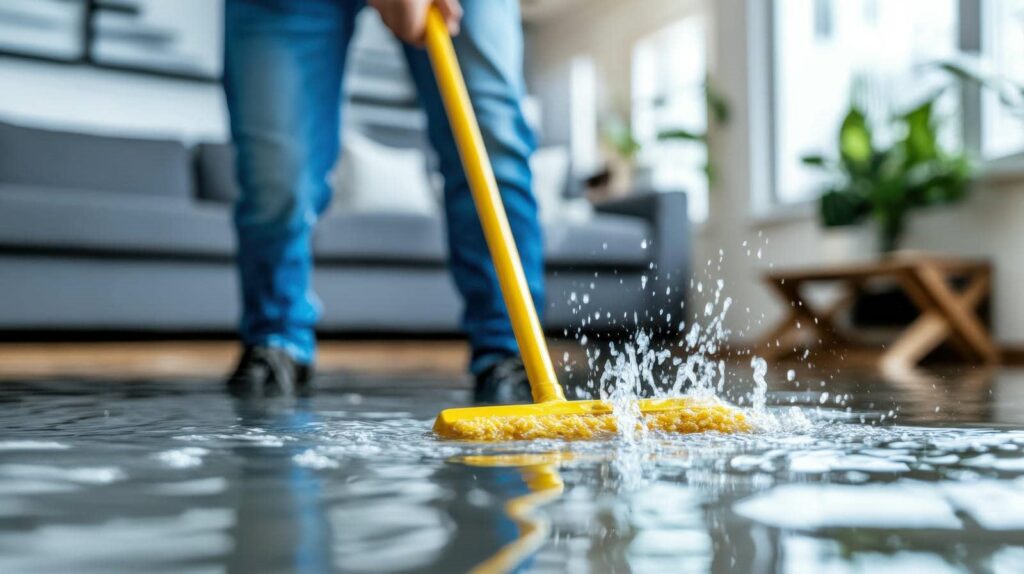
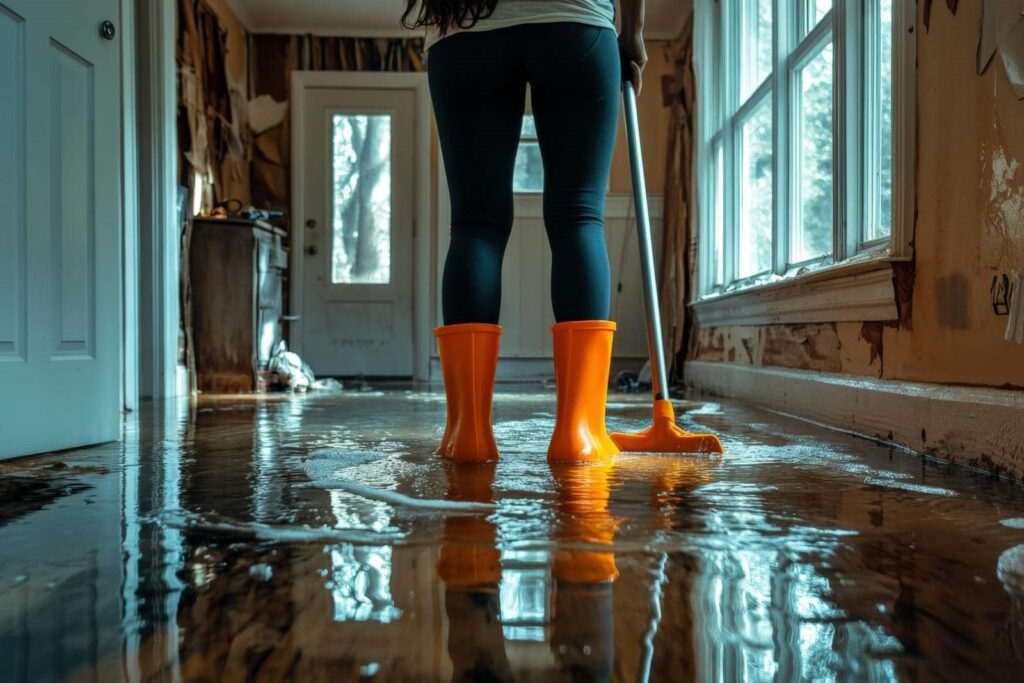
When you experience water damage, acting quickly to remove standing water is crucial; ideally, you should start within 24 to 48 hours.
Begin with water extraction to minimize the risk of mold growth and further structural damage. Use a reliable pump or wet/dry vacuum for efficient removal.
After you’ve removed the majority of the water, conduct a thorough moisture assessment.
This involves checking hidden areas like behind walls and under flooring, where residual moisture can linger.
Use moisture meters to ensure accurate readings and guide your next steps.
Dry Out the Affected Areas Thoroughly
To effectively prevent mold growth, it’s essential to dry out the affected areas thoroughly as soon as possible.
Begin by removing all wet materials, including carpets, rugs, and furniture, to facilitate moisture control. Use fans and open windows to increase air circulation, which helps speed up the drying process.
Pay special attention to hidden spaces, like under cabinets and behind walls, where moisture can linger.
Monitor humidity levels; they should stay below 60% to minimize mold risks. If possible, utilize absorbent materials, like towels, to soak up excess water from surfaces.
Inspect the area regularly for signs of moisture retention. The quicker you act to dry out these spaces, the better your chances for effective mold prevention.
Use Dehumidifiers to Control Humidity Levels
To effectively prevent mold growth, you need to maintain humidity levels within the ideal range of 30-60%.
Position your dehumidifier in areas with the highest moisture levels, such as basements or bathrooms, and ensure it runs continuously until the space is adequately dried.
Regularly monitor humidity with a hygrometer to ensure peak performance and adjust usage as necessary.
Ideal Humidity Range
Maintaining an ideal humidity range is crucial in preventing mold growth after water damage, as excessive moisture creates a breeding ground for spores.
To achieve effective humidity control, aim for a moisture balance between 30% and 60%. Here are three steps you can take:
- Monitor humidity levels regularly with a hygrometer to ensure they remain within the ideal range.
- Utilize dehumidifiers to efficiently reduce moisture in affected areas, especially in basements and crawl spaces.
- Ventilate your home by opening windows or using exhaust fans to promote air circulation, helping to maintain proper humidity levels.
Placement and Usage Tips
While you might think all dehumidifiers are the same, their placement and usage can greatly impact their effectiveness in controlling humidity levels.
To maximize their potential, position dehumidifiers in areas prone to moisture, like basements and bathrooms, ensuring proper airflow around the unit. Regularly empty the water collection tank or connect a drainage hose for continuous operation.
Incorporating these moisture control techniques into your mold prevention strategies will considerably reduce the chance of mold growth. Additionally, run the dehumidifier consistently during humid months and after any water damage incidents to keep humidity levels in check.
Inspect and Repair Leaks Promptly
You need to identify leak sources quickly to prevent further water damage and mold growth.
Use proper repair materials to ensure a lasting fix, and schedule regular inspections to catch any issues early.
Prompt action is essential to maintaining a safe and dry environment.
Identify Leak Sources Quickly
How can you effectively prevent mold growth after water damage? The key lies in quickly identifying leak sources. Mold thrives in damp conditions, so act fast to minimize risks.
Here are three steps to help you:
- Inspect Common Sources: Check areas like roofs, pipes, and appliances for any signs of leaks. Early identification can save you from extensive damage.
- Use Moisture Meters: Invest in moisture meters to assess humidity levels in affected areas. This tool helps you pinpoint hidden moisture that might lead to mold.
- Perform Routine Checks: Regularly inspect your home for leaks, especially after heavy rain or snow, to maintain a dry environment.
Use Proper Repair Materials
After identifying leak sources, using proper repair materials becomes essential in preventing mold growth.
Selecting the right materials ensures that your repairs stand the test of time, reducing the risk of future leaks and moisture accumulation.
Employ effective repair techniques, such as using moisture-resistant drywall or waterproof sealants, to safeguard against mold proliferation.
Additionally, consider the longevity and durability of your material selection; products designed for high-humidity environments can greatly enhance protection.
Don’t overlook the importance of following manufacturer guidelines for installation and maintenance.
By prioritizing quality materials and skilled repair methods, you create a safe, healthy environment for you and your loved ones, fostering a sense of belonging in your space.
Take these steps seriously to prevent costly mold issues down the line.
Schedule Regular Inspections
Regular inspections are essential for maintaining a mold-free environment, as they help detect leaks before they escalate into larger problems.
To stay ahead of potential issues, establish a maintenance checklist that includes regular inspection frequency tailored to your property’s needs.
Here are three key elements to focus on during inspections:
- Check plumbing fixtures: Look for drips or dampness around sinks, toilets, and pipes.
- Inspect roofing and gutters: Verify there are no blockages or damage that could lead to leaks.
- Examine walls and ceilings: Identify any signs of water stains or discoloration that may indicate hidden leaks.
Clean and Disinfect Surfaces Properly
To effectively prevent mold growth following water damage, it’s essential to clean and disinfect surfaces properly. Start by removing any standing water and drying affected areas within 24-48 hours.
Use mold-resistant products for cleaning, as they’re specifically designed to inhibit mold growth. Opt for EPA-approved cleaning solutions that contain fungicides or bleach, ensuring they’re safe for the materials you’re treating.
When cleaning, make sure to scrub surfaces thoroughly to eliminate any dirt and debris. Pay close attention to hidden areas like behind appliances and inside cabinets.
After cleaning, rinse surfaces with clean water and dry them completely to minimize moisture.
Don’t forget to wear protective gear, like gloves and masks, during the process to safeguard your health.
Ventilate Your Home to Promote Airflow
Once surfaces are cleaned and disinfected, the next step in preventing mold growth is ensuring proper ventilation in your home.
Good airflow helps eliminate moisture, making it less likely for mold to develop. Here are some effective air circulation techniques and humidity control methods you can implement:
- Open Windows and Doors: On dry days, open windows and doors to allow fresh air to circulate and reduce indoor humidity levels.
- Use Fans: Strategically place fans in rooms to enhance airflow, especially in areas prone to moisture, like bathrooms and kitchens.
- Install Exhaust Fans: In high-humidity areas, install exhaust fans to effectively remove moist air, keeping your indoor environment healthier.
Monitor for Signs of Mold Growth Regularly
Monitoring for signs of mold growth is crucial in maintaining a healthy indoor environment after water damage.
You’ll want to regularly inspect areas prone to dampness, such as basements, bathrooms, and under sinks.
Utilize effective mold detection methods like visual inspections and moisture meters to identify potential mold hotspots early.
Pay attention to environmental conditions; high humidity levels can encourage mold growth, so keeping humidity below 60% is important.
Look for discoloration, musty odors, or peeling paint, as these can be indicators of mold presence.
Don’t forget to check hidden spaces, like behind appliances or inside walls, where moisture can accumulate unnoticed.
By staying vigilant and proactive, you can greatly reduce the risk of mold proliferation and ensure a safe, welcoming space for you and your loved ones.
Regular monitoring fosters a sense of belonging, knowing your environment is healthy and secure.
Frequently Asked Questions
How Long Does It Take for Mold to Grow After Water Damage?
Mold can start growing within 24 to 48 hours after water damage. You should conduct a thorough water damage assessment to prevent extensive mold growth, as timely action is essential for mitigating potential health risks.
Can I Use Bleach to Kill Mold Effectively?
You can use bleach to kill certain mold types effectively, but it’s not a complete solution. Its effectiveness varies, and it doesn’t penetrate porous materials. Consider alternative methods for thorough mold remediation and prevention.
What Are the Health Effects of Mold Exposure?
Mold exposure can lead to various health risks, including respiratory issues, skin irritation, and allergic reactions. You might experience mold symptoms like coughing, sneezing, or headaches, highlighting the importance of addressing mold promptly for your well-being.
Should I Hire a Professional for Mold Removal?
Yes, you should hire a professional for mold removal. They conduct thorough mold inspections, ensuring all spores are eliminated. Their expertise protects your health and prevents future infestations, giving you peace of mind.
How Can I Prevent Mold in My Basement?
To prevent mold in your basement, maintain low humidity levels by using dehumidifiers, ensuring proper ventilation, and sealing leaks. Regularly inspect for moisture and promptly address any issues to enhance mold prevention effectively.
Final Thoughts
By following these seven tips, you can drastically reduce the risk of mold after water damage. Remember, acting swiftly is essential—every minute counts, and mold can take over your space faster than a speeding bullet! Keep your home dry, well-ventilated, and regularly inspect for any signs of moisture. With proactive maintenance and vigilance, you’ll safeguard your environment and enjoy a mold-free living space for years to come. Don’t let mold become a permanent resident!