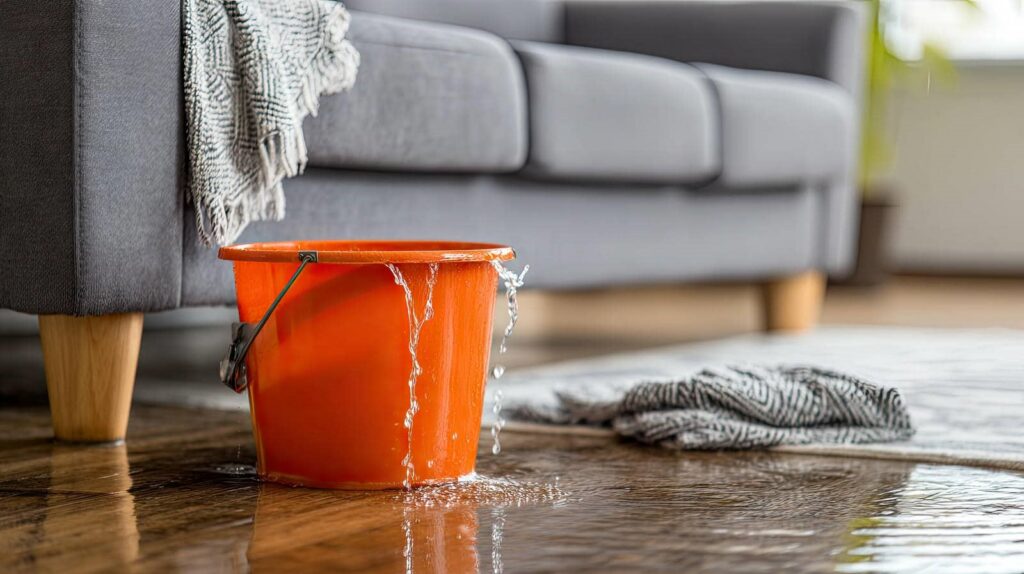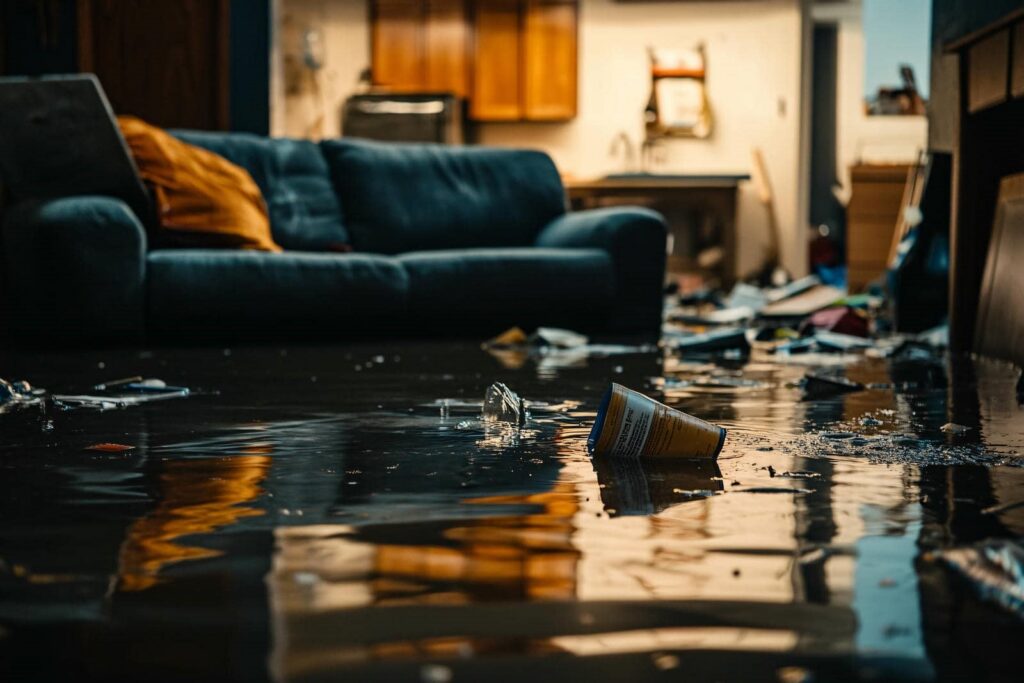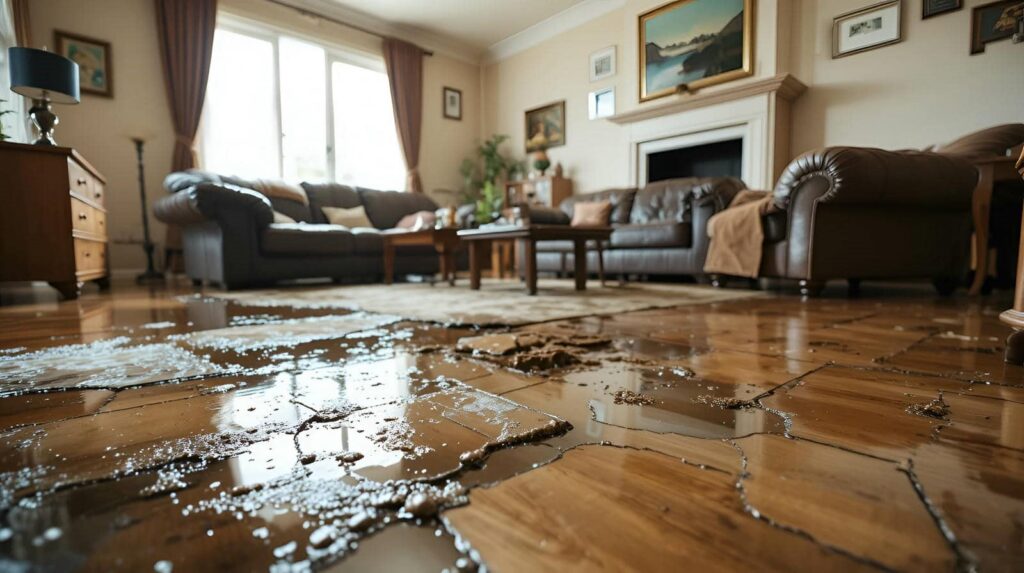
When it comes to long-term water damage repair, understanding the right techniques is essential. You need to assess the extent of the damage first, as this will guide your approach. Effective water extraction methods are important, but they’re just the beginning. Once you’ve got that sorted, you’ll want to focus on thorough drying techniques to prevent further issues. The next steps involve mold prevention and structural repairs that can make a significant difference. What follows is just as important.
Key Takeaways
- Implement effective drainage systems to redirect water away from the property and prevent future damage.
- Use mechanical dehumidifiers to control humidity levels and reduce moisture buildup in affected areas.
- Install insulation and vapor barriers to protect against moisture infiltration and enhance energy efficiency.
- Maintain landscape grading to ensure proper drainage and minimize water pooling around the foundation.
- Regularly inspect and clean gutters and downspouts to ensure they function properly and prevent overflow.
Assessing the Extent of Water Damage
When you discover water damage in your property, the first step is evaluating its extent, as this will guide your repair strategy.
Begin with water source identification, pinpointing where the leak or flood originated. This could involve checking plumbing systems, roofing, or external drainage.
Once you’ve identified the source, move on to damage severity evaluation. Inspect affected areas for structural integrity, mold growth, and material deterioration. Use moisture meters to assess hidden dampness in walls and floors, as this can indicate deeper issues.
Document your findings meticulously, as this information is crucial for thorough repairs and potential insurance claims.
By understanding the extent of the damage, you’ll be better equipped to develop a tailored repair plan.
Effective Water Extraction Methods
Although water extraction may seem straightforward, employing the right methods is crucial to effectively mitigate damage and prevent further complications. Start by evaluating the type and volume of water present, as this will guide your equipment selection.
For clean water, portable extractors or wet/dry vacuums work well, allowing you to quickly remove standing water. In cases of contaminated water, consider using submersible pumps, which efficiently handle larger volumes and prevent spread.
In addition to these methods, you might utilize specialized equipment types like truck-mounted extractors for heavy-duty extraction in extensive flooding scenarios.
Make sure you’re also wearing appropriate protective gear during the process, as safety is paramount. Implementing these effective water extraction techniques reduces immediate damage and sets the stage for a successful long-term repair strategy.
Thorough Drying Techniques
After effectively extracting water, the next critical step is ensuring thorough drying to prevent mold growth and structural damage.
You’ll want to deploy advanced drying techniques that utilize specialized drying equipment, such as dehumidifiers and air movers. Start by strategically placing air movers to direct airflow across wet surfaces, enhancing evaporation rates. Position dehumidifiers in areas with high humidity to absorb moisture from the air, lowering the ambient humidity levels.
Monitor moisture levels regularly with a moisture meter to confirm that materials are drying adequately. Don’t forget to check hidden areas like behind walls and under flooring, as moisture can linger unnoticed. If necessary, use thermal imaging cameras to identify damp spots.
Mold Prevention and Remediation
Mold prevention is vital in the aftermath of water damage, as even small amounts of residual moisture can lead to significant growth. To protect your space, start with mold identification techniques, such as visually inspecting areas prone to dampness and using moisture meters. These tools help you detect hidden moisture that could foster mold.
Once identified, employ safe remediation practices. Always wear protective gear like gloves and masks to avoid inhaling spores. Use a solution of water and detergent to scrub affected surfaces, or consider specialized mold removers for tougher infestations. Be sure to dry the area thoroughly post-cleaning to prevent recurrence.
Ventilation plays an important role, so keep windows open and use dehumidifiers to maintain ideal humidity levels.
Structural Repairs and Reinforcements
When dealing with water damage, addressing structural repairs and reinforcements is vital to restore safety and integrity to your space.
Start by evaluating the foundation stability; any cracks or shifts could compromise the entire structure. You’ll want to consult a structural engineer to appraise load-bearing walls, verifying they haven’t weakened. Reinforcing these walls might involve adding steel beams or additional framing, which can restore their strength and ensure they can support the weight of your home.
Next, inspect floor joists and rafters for signs of rot or sagging. Replacing damaged components is imperative for maintaining a solid structure.
Finally, consider applying waterproofing measures to protect against future water damage. By prioritizing these repairs, you’ll enhance your home’s safety and extend its longevity, creating a secure environment for you and your loved ones.
Long-Term Moisture Control Solutions
To effectively prevent moisture buildup, you must implement robust drainage systems that direct water away from your property.
Additionally, regulating humidity levels through mechanical dehumidifiers and proper ventilation will greatly reduce the risk of mold growth.
Finally, installing insulation and vapor barriers can further shield your structure from excess moisture infiltration.
Effective Drainage Systems
Effective drainage systems play a crucial role in long-term moisture control, as they manage water runoff and prevent accumulation around your property.
To achieve this, consider implementing effective drainage solutions tailored to your landscape. Start with proper landscape grading to direct water away from your foundation. Ensure the ground slopes at least 1% away from your home, which helps minimize pooling.
Install French drains or swales to efficiently channel excess water. Additionally, check gutters and downspouts regularly to verify they’re functioning and diverting water away from critical areas.
Humidity Regulation Techniques
Maintaining ideal indoor humidity levels is essential for preventing long-term water damage and ensuring a healthy living environment.
Implementing effective humidity control strategies helps you manage excess moisture. Start by using dehumidifiers in damp areas like basements or bathrooms to actively remove moisture from the air.
Additionally, consider integrating moisture absorption materials, such as silica gel or activated charcoal, to enhance moisture regulation in enclosed spaces.
Regularly monitoring humidity levels with a hygrometer will allow you to make necessary adjustments.
Moreover, ensure proper ventilation in areas prone to humidity buildup, such as kitchens and laundry rooms.
Insulation and Vapor Barriers
While moisture can infiltrate your home through various means, properly installed insulation and vapor barriers serve as essential defenses against long-term water damage.
Understanding insulation types—such as fiberglass, foam, and cellulose—will help you select the best option for your space. Each type has unique properties that can enhance your home’s resistance to moisture.
For effective vapor barrier installation, ensure you place the barrier on the warm side of the insulation, preventing moisture from penetrating your walls and ceilings. This strategic placement protects your home’s structure and improves energy efficiency.
Regular Maintenance and Monitoring
Maintaining your property free from long-term water damage necessitates consistent upkeep and monitoring. By implementing preventive measures and conducting routine inspections, you can greatly reduce the risk of water-related issues.
Consider these essential practices:
Inspect roofing and gutters: Verify they’re free from debris and leaks.
Check plumbing systems: Look for signs of wear, corrosion, or leaks.
Monitor humidity levels: Use dehumidifiers in damp areas to maintain ideal moisture.
Seal cracks and openings: Regularly inspect foundation and walls for potential entry points.
Staying vigilant protects your investment fosters a sense of community, as you share knowledge and resources with neighbors.
Frequently Asked Questions
How Can I Identify Hidden Water Damage in My Home?
You can identify hidden water damage by using moisture detection tools, inspecting walls for discoloration, and checking for hidden leaks under sinks and appliances. Regular monitoring helps you catch issues before they escalate.
What Are the Signs of Water Damage Before It Becomes Severe?
You’ll notice early signs of water damage through water stains on walls or ceilings and musty odors in the air. Identifying these indicators promptly can prevent further issues and help maintain your home’s integrity.
How Does Insurance Typically Cover Water Damage Repairs?
Insurance typically covers water damage repairs based on your policy’s coverage limits. You’ll need to follow the claim process meticulously, documenting damage and expenses to ensure you maximize your compensation and meet your policy requirements.
Can I Prevent Water Damage During Heavy Rainfall?
You can prevent water damage during heavy rainfall by installing efficient drainage systems and applying waterproof barriers around your property. Regular maintenance of these systems ensures they effectively divert water away, protecting your home from potential damage.
What Are the Costs Associated With Professional Water Damage Repairs?
When a homeowner faced $3,000 in repair pricing after a flood, damage assessment revealed structural issues. You’ll typically see costs ranging from $1,000 to $10,000, depending on the severity and required repairs.
Wrap-Up
Just as a sturdy ship navigates stormy seas, your home deserves the same resilience against water damage. By implementing these long-term repair techniques, you’re not just patching leaks; you’re fortifying your sanctuary against nature’s whims. Each method—like sails catching the wind—works in harmony to guide your home safely through turbulent times. Remember, regular maintenance and vigilance are the compass that will steer you clear of future storms, ensuring your refuge remains steadfast and secure.