When you assess the damage, extract water, clean surfaces, restore integrity, and prevent future flooding, you’re taking essential steps toward effective commercial flood damage repair. Each phase plays a critical role in safeguarding your property and ensuring a quicker recovery. Understanding how to navigate these steps can make a significant difference in your response strategy. So, what are the best practices for each step, and how can they help you minimize losses?
Key Takeaways
- Conduct a thorough damage assessment to identify and document water intrusion, mold growth, and structural issues.
- Immediately extract water using pumps and vacuums, followed by deploying dehumidifiers and fans for effective drying.
- Clean and sanitize affected areas, ensuring surfaces are disinfected to eliminate harmful bacteria and prevent mold growth.
- Restore structural integrity by evaluating and reinforcing compromised areas, consulting with professionals as needed for safety compliance.
- Implement preventive measures such as flood barriers, proper drainage maintenance, and sump pumps to mitigate future flooding risks.
Assessing the Damage
When you’re faced with commercial flood damage, the first step is to thoroughly assess the situation.
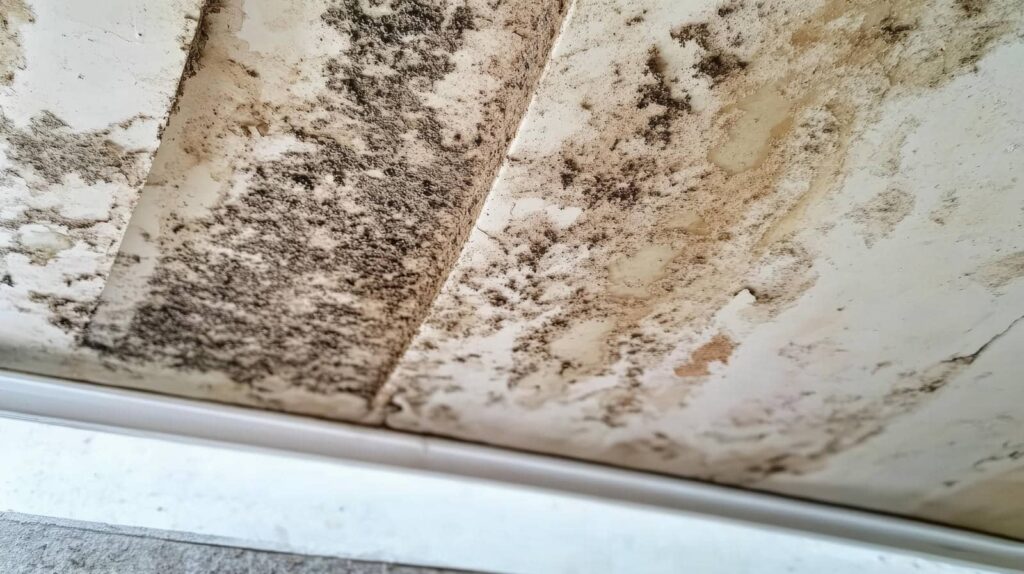
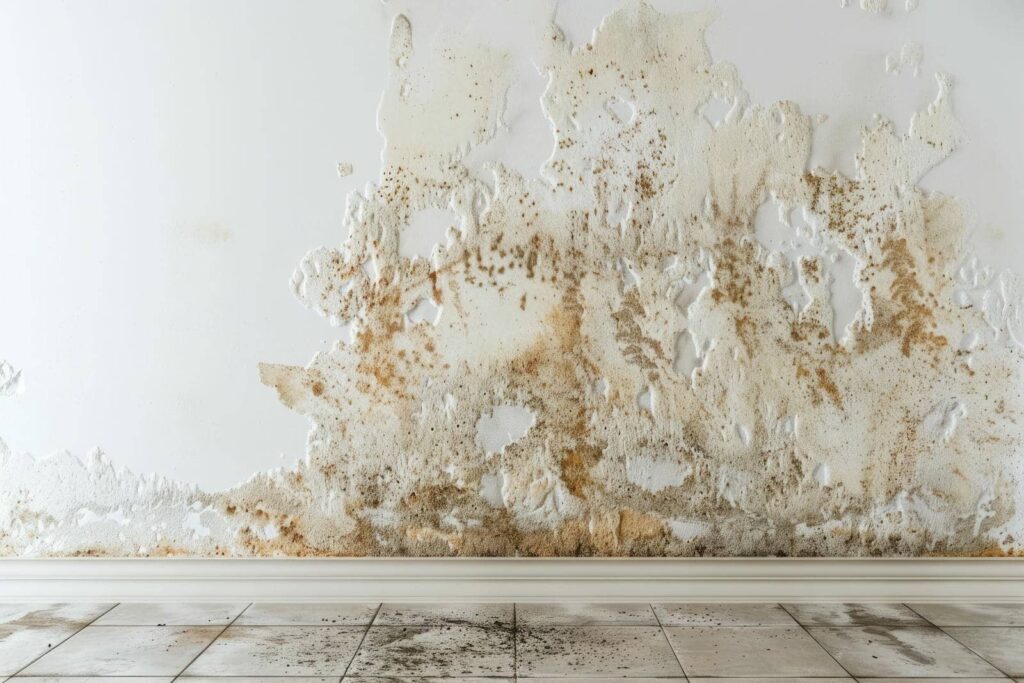
Begin by conducting a detailed damage evaluation of your property. Look for visible signs of water intrusion, mold growth, and structural damage. Document everything with photos and notes, as this information will be invaluable for your insurance claims process.
Next, identify which areas are most affected, prioritizing spaces critical to your operations. It’s crucial to check electrical systems, plumbing, and HVAC units, too, as these can often be overlooked but may lead to further complications.
Don’t forget to communicate with your team about what you’ve discovered, fostering a sense of unity and shared purpose.
Finally, reach out to your insurance provider as soon as possible to report the damage and begin the claims process. This proactive approach will help you navigate recovery more smoothly and ensure you’re not alone in dealing with the aftermath.
Water Extraction and Drying
After evaluating the damage, it’s time to tackle water extraction and drying.
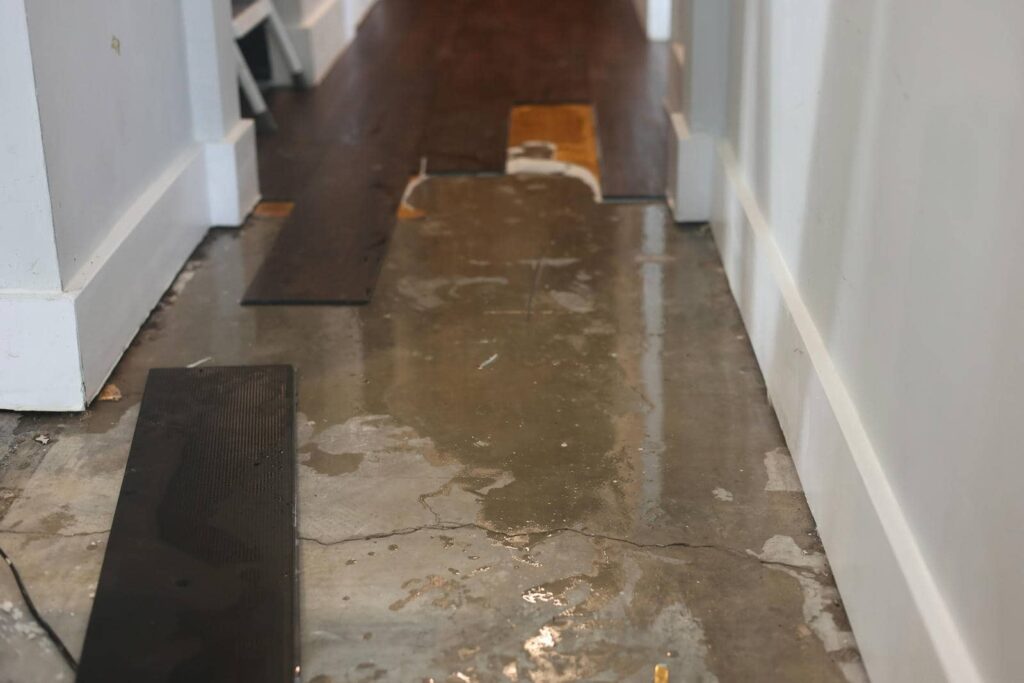
Begin with immediate water removal to prevent further damage. Use powerful pumps and vacuums to remove standing water, making sure you address all affected areas.
Don’t forget about hidden pockets of water that can lead to mold growth if left unchecked.
Next, focus on moisture control.
Employ dehumidifiers and fans to speed up the drying process, maintaining a low humidity level in the space.
Monitor the moisture levels regularly with a hygrometer to ensure that your efforts are effective.
Cleaning and Sanitizing
Once you’ve successfully extracted the water and dried the affected areas, it’s essential to move on to cleaning and sanitizing to eliminate contaminants and prevent mold growth.
Start by gathering your cleaning supplies, including gloves, masks, and commercial-grade disinfectants. Focus on disinfecting surfaces that came into contact with floodwater, as these areas are likely to harbor harmful bacteria and pathogens.
For effective mold remediation, pay special attention to porous materials like carpets and drywall. If these items are saturated, consider removing and replacing them to avoid future mold issues.
Scrub hard surfaces with a mixture of water and disinfectant, ensuring you cover every inch. After cleaning, allow surfaces to dry completely; moisture can lead to mold resurgence.
Restoring Structural Integrity
Having cleaned and sanitized the affected areas, the next priority is restoring structural integrity to your property. Start with a thorough structural evaluation to identify any damage that may compromise your building’s safety.
Look for issues like warped beams, compromised foundations, or weakened walls. Document your findings, as this will guide your next steps.
Once you’ve assessed the damage, consider using reinforcement techniques to restore strength. This might involve installing additional support beams, using steel brackets, or even underpinning the foundation.
Each technique has its place, so choose the best option based on your evaluation.
Don’t hesitate to consult with structural engineers or contractors experienced in flood repairs. They’ll ensure that your property meets safety standards and regains its stability.
Preventing Future Flooding
To effectively reduce the risk of future flooding, it’s crucial to implement proactive measures that address potential vulnerabilities in your property. Start by investing in flood barriers; these can considerably minimize water intrusion during heavy rains. Confirm these barriers are strategically placed around entry points and critical areas.
Next, evaluate your drainage systems. Properly functioning drains are essential for directing water away from your building. Regular maintenance, such as clearing debris and checking for blockages, will help keep them effective. Additionally, consider installing sump pumps if you’re in a flood-prone area.
You should also assess the grading around your property. Proper grading directs water away from the foundation, reducing the risk of pooling.
Frequently Asked Questions
How Long Does the Entire Flood Damage Repair Process Typically Take?
The flood repair timeline usually spans several weeks to months, depending on damage severity. You’ll experience various restoration phases, including assessment, drying, and repairs, each essential for returning your space to its original condition.
Will Insurance Cover All Flood Damage Repair Costs?
Flood insurance often covers many repair costs, but it depends on your policy’s coverage limits. You should review your plan carefully to understand what’s included, ensuring you’re prepared for any out-of-pocket expenses.
What Types of Materials Are Most Resistant to Flood Damage?
Water-resistant materials like concrete, fiberglass, and treated wood offer excellent protection against flood damage. For effective flood-proof construction, consider using these materials to enhance resilience, ensuring your building stays safe and secure during adverse weather conditions.
How Can I Choose a Reliable Flood Damage Repair Contractor?
To choose a reliable flood damage repair contractor, check their qualifications, ask for certifications, and read customer reviews. Prioritize contractors with strong reputations, clear communication, and a history of successful flood restoration projects.
Are There Any Health Risks After a Flood That I Should Know About?
Yes, there are health risks after a flood. Mold growth can develop quickly, leading to respiratory issues, while water contamination may expose you to harmful bacteria. Always prioritize safety and seek professional help for cleanup.
Summary
In the aftermath of a flood, neglecting repair can turn a minor setback into a major disaster. By evaluating the damage, extracting water, and restoring structural integrity, you’re not just fixing your property—you’re safeguarding your investment. Cleaning and implementing preventive measures will keep future floods at bay, ensuring peace of mind. Remember, taking these steps isn’t just about recovery; it’s about resilience. Don’t wait for the next storm to strengthen your defenses; act now and protect what matters most.