It’s often said that mold growth is inevitable after water damage, but that’s not entirely true. With prompt action and the right strategies, you can greatly reduce the risk of mold taking hold in your home. Key steps involve swift water removal, ensuring proper airflow, and using materials designed to resist mold. Understanding these methods can make all the difference in protecting your space from future moisture-related issues. What are these essential steps?
Key Takeaways
- Act quickly to remove standing water using pumps and wet vacuums to prevent mold growth and structural damage.
- Ensure proper ventilation by opening windows, using fans, and installing exhaust fans in high-humidity areas to promote airflow.
- Use mold-resistant products, like drywall and paints, during repairs to inhibit moisture and mold growth in susceptible areas.
- Regularly monitor and maintain HVAC systems to control humidity and improve air circulation, preventing moisture buildup.
- Implement routine inspections for leaks and moisture, addressing issues promptly to maintain a mold-free environment.
Act Quickly to Remove Standing Water
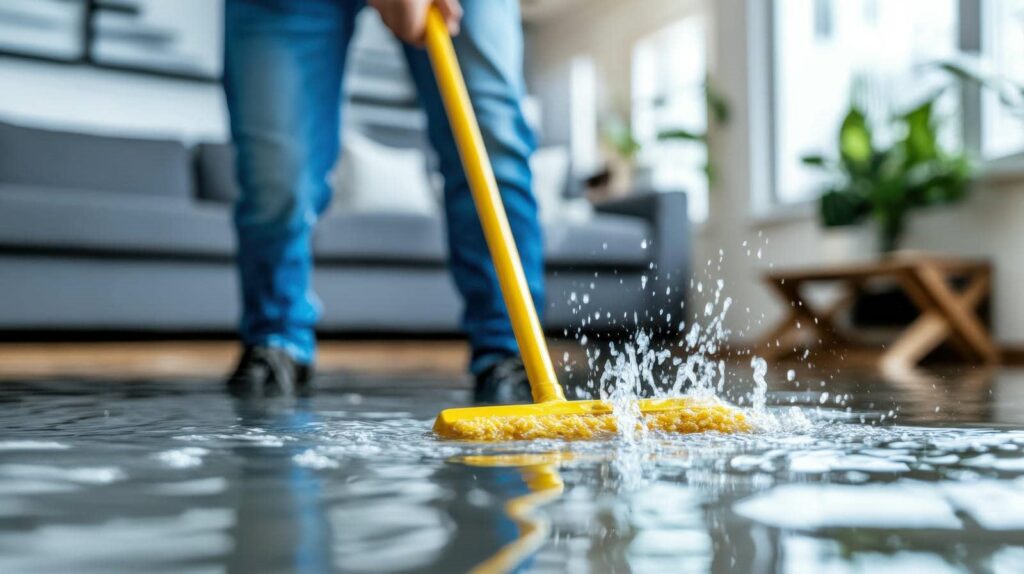
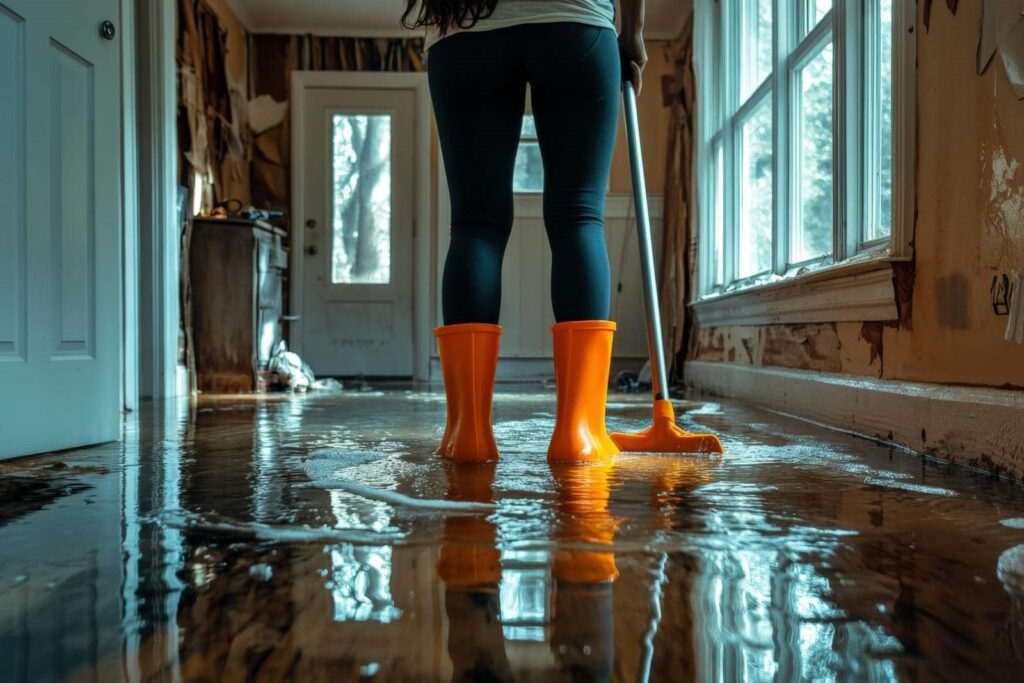
When water damage occurs, it’s essential to act swiftly to remove standing water, as delays can lead to mold growth and structural damage.
Start with effective water extraction methods, utilizing pumps and wet vacuums to eliminate excess moisture. The quicker you remove standing water, the better your chances are of preventing long-term damage.
Once you’ve extracted the water, focus on moisture control. This involves drying out affected areas with fans, dehumidifiers, and natural airflow.
Moisture control is critical, as lingering dampness promotes mold spores’ growth, which can compromise your home’s integrity and your health.
Ensure Proper Ventilation and Airflow
Proper ventilation and airflow are crucial in preventing mold growth after water damage, as stagnant air can trap moisture and create an ideal environment for spores to thrive.
To combat this, ensure effective air circulation throughout the affected area. Open windows and doors whenever possible, and use fans to promote airflow. Consider installing exhaust fans in areas prone to high humidity, like bathrooms and kitchens, to aid in humidity control.
If you’re dealing with a larger space, a dehumidifier can considerably reduce moisture levels, further deterring mold.
Regularly check and maintain HVAC systems to verify they’re functioning at their best, as they play a critical role in air circulation and humidity control.
Use Mold-Resistant Products and Materials
To effectively combat mold growth after water damage, using mold-resistant products and materials is essential.
Start by choosing mold-resistant drywall when repairing or renovating your space. This type of drywall contains moisture-resistant additives that help inhibit mold growth, making your environment safer and more durable.
In addition, consider applying mold-resistant paints on your walls and ceilings. These paints are specially formulated to resist moisture, providing an extra layer of protection against mold.
They’re ideal for areas prone to high humidity, like bathrooms and kitchens.
Frequently Asked Questions
How Long Does It Take for Mold to Develop After Water Damage?
Mold can develop within 24 to 48 hours after water damage, depending on various water damage factors like humidity and temperature. Understanding the mold growth timeline is essential for effective prevention and response strategies.
Can I Use Bleach to Kill Mold After Water Damage?
You can use bleach for mold removal, but its effectiveness is limited on porous surfaces. It’s essential to combine bleach with proper ventilation and thorough drying to effectively combat mold growth after water damage.
What Are the Signs of Hidden Mold After Water Damage?
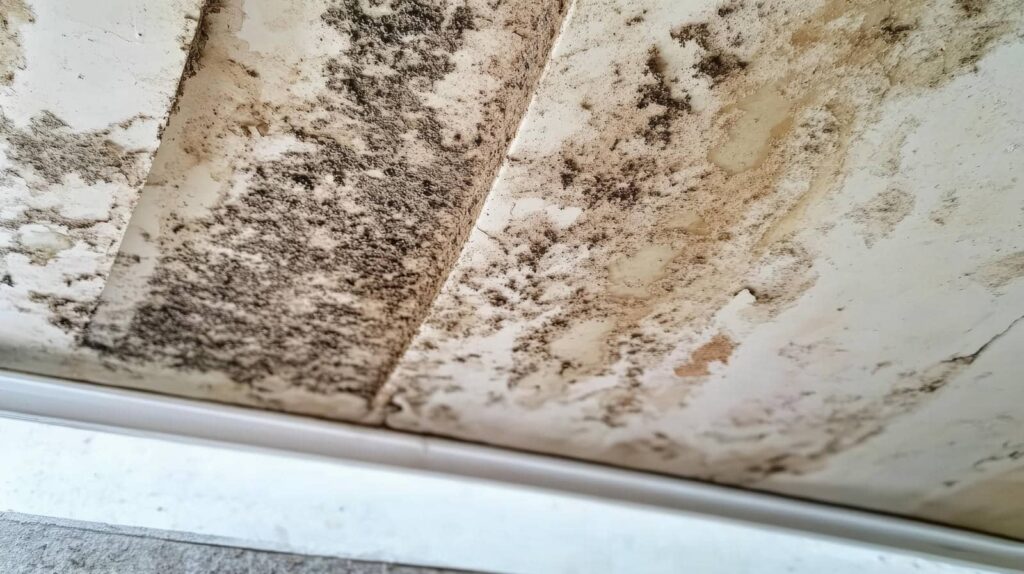
You might think you’ve escaped mold, but hidden mold symptoms like musty odors, discoloration, or water stains reveal otherwise. Utilizing effective mold detection methods helps uncover what’s lurking behind your walls, ensuring a healthier space.
How Can I Prevent Mold in My Basement After Water Damage?
To prevent mold in your basement after water damage, ensure moisture control by using dehumidifiers and improving air circulation. Regularly check for leaks and maintain proper ventilation to create a healthier, mold-free environment.
Should I Hire a Professional for Mold Removal After Water Damage?
Absolutely, you should hire a professional for mold removal after water damage. They’ll conduct a thorough mold inspection and provide expert services, ensuring your space is safe and preventing future infestations, giving you peace of mind.
Wrap-Up
In the battle against mold after water damage, remember that “an ounce of prevention is worth a pound of cure.” By acting quickly to remove standing water, ensuring proper ventilation, and using mold-resistant materials, you greatly reduce the risk of mold growth. Staying proactive protects your home and your health. Don’t wait for the problem to escalate; take these essential steps now to maintain a safe and dry environment.