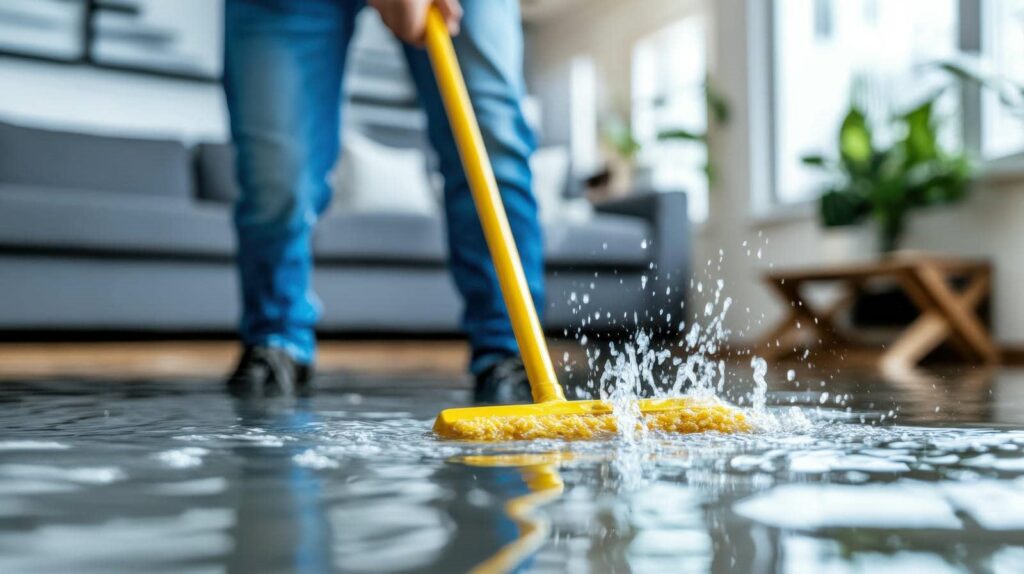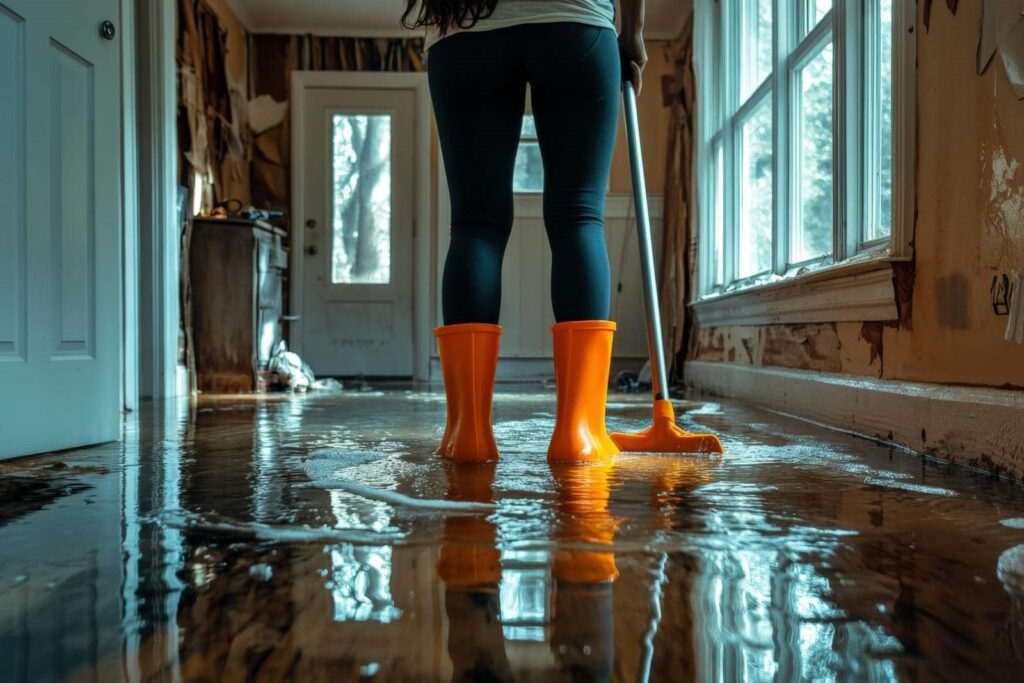
Imagine coming home to find several inches of water covering your living room floor due to a burst pipe. You might think your insurance will cover the damages, but understanding the intricacies of your policy is vital. Each water damage step you take can greatly impact your claim’s outcome. To ensure you’re prepared, consider these essential tips that can guide you through the often complex claims process.
Key Takeaways
- Review your insurance policy thoroughly to understand coverage, exclusions, and claim limits related to water damage.
- Document all damage meticulously with photos, lists of affected items, and supporting documents like receipts.
- Notify your insurer immediately to initiate the claims process and provide detailed information about the incident.
- Establish a communication schedule with your claims adjuster, keeping records of all interactions and follow-ups.
- Consider hiring a public adjuster for expert assistance in negotiating your claim and maximizing potential payouts.
Understand Your Insurance Policy
Before you file a water damage insurance claim, it’s crucial to understand your insurance policy in detail. Start by reviewing your policy coverage to determine what types of water damage are included. Not all policies cover every scenario, so knowing what’s protected can save you headaches later.
Pay close attention to exclusions, as they can greatly impact your claim.
Next, familiarize yourself with claim limits. Each policy has a maximum payout amount, and understanding these limits will help you gauge whether your damages fall within the coverage. If you face substantial losses, knowing your claim limits can guide you in negotiating with your insurer.
Lastly, don’t hesitate to ask your agent for clarification on any confusing terms or conditions. Being informed about your policy strengthens your position and ensures you’re fully prepared when it’s time to submit your claim.
Document the Damage Thoroughly
Understanding your insurance policy sets the foundation for a successful claim, but the next step is documenting the damage thoroughly. A detailed record of the water damage is essential for your claim’s approval.
Conduct a water assessment and perform a meticulous damage evaluation. Here’s what you should focus on:
- Photograph everything: Capture all affected areas and items, ensuring you include close-ups and wide shots.
- Create a list: Document each item that’s damaged, noting its condition and estimated value.
- Record dates and times: Note when the damage occurred and when you discovered it for a timeline.
- Gather supporting documents: Collect any relevant invoices, receipts, and previous repair records.
Mitigate Further Damage Immediately
To prevent additional damage after a water incident, start by turning off all utilities in the affected area.
Next, remove any standing water to minimize the risk of mold and structural issues.
As you take these steps, make certain you continue documenting the damage for your insurance claim.
Turn Off Utilities
When water damage occurs, turning off utilities can greatly reduce further destruction to your property. By shutting off the necessary services, you can protect yourself and your home. Here’s what you should do:
- Turn off appliances to prevent short circuits.
- Shut off the main water supply to stop additional leaks.
- Disconnect power sources to avoid any risk of electrocution.
- Turn off gas lines if applicable to prevent hazardous situations.
Taking these actions swiftly helps limit damage and prioritize safety.
Remove Standing Water
Act quickly to remove standing water, as this is essential for minimizing further damage to your property.
Standing water can lead to mold growth, structural issues, and increased repair costs. Begin by using a wet/dry vacuum or a submersible pump for efficient removal.
If the area is extensive, consider enlisting professional help for specialized removal techniques.
After the bulk of the water is cleared, use fans and dehumidifiers to dry the space thoroughly.
Pay attention to hidden areas like under carpets and behind furniture, where water may linger.
The sooner you act to remove standing water, the better chance you have at safeguarding your property and minimizing the impact on your water damage insurance claim.
Document Damage Thoroughly
After you’ve removed standing water, the next step is to document the damage thoroughly. This damage assessment is essential for the claim process, as accurate records help substantiate your case.
Here’s how to ensure you cover all bases:
- Take clear, detailed photographs of affected areas.
- Create an inventory of damaged items, including descriptions and values.
- Note the date and time of the incident for your records.
- Keep receipts for any immediate repairs or mitigation efforts.
Report the Incident Promptly
Reporting the incident to your insurer immediately is essential for a successful claim.
Delaying notification can lead to complications, such as issues with coverage or claims processing.
Additionally, documenting the damage thoroughly with photos and notes will support your case and help expedite the claims process.
Notify Insurer Immediately
When water damage strikes, it’s essential to notify your insurer immediately to ensure a smooth claims process.
Prompt reporting can greatly impact your claim submission and the insurance response. Here are some key steps to take:
- Contact your insurer as soon as the incident occurs.
- Provide details about the damage, including when and how it happened.
- Ask about the claims process to understand what to expect.
- Keep communication records for future reference.
Document Damage Thoroughly
Thorough documentation of water damage is essential for a successful insurance claim. Start by conducting a detailed damage assessment; take photos and videos of affected areas, ensuring you capture the extent of the damage. Make notes about when the incident occurred and the conditions that led to it. This will help paint a clear picture for your insurer.
Next, gather repair documentation, including receipts and contractor estimates. This information reinforces your claim and demonstrates that you’re taking proactive steps toward restoration.
Take Photos and Videos
Since accurate documentation is crucial in filing a water damage insurance claim, taking clear photos and videos of the affected areas is essential. High-quality visuals can greatly strengthen your claim by providing undeniable evidence of the damage.
Here are some tips to make sure your documentation is effective:
- Use a good camera: Confirm video quality is high and photos are clear to capture all details.
- Capture multiple angles: Document the damage from different perspectives for a thorough view.
- Highlight specific issues: Focus on critical areas, such as water stains, mold growth, or structural damage.
- Organize your photos: Save images in a dedicated folder for easy access and reference during the claims process.
Keep All Receipts and Records
Keeping all receipts and records is essential for a successful water damage insurance claim. When you experience water damage, you’ll likely incur various expenses, from repairs to temporary housing. Proper receipt organization is vital for documenting these costs. Make sure to gather every receipt related to the damage, whether it’s for repairs, cleaning services, or materials.
Maintaining a detailed expense tracking system will help you keep tabs on all these costs. Consider categorizing your expenses in a spreadsheet or app, which can simplify the process of compiling necessary documentation for your insurer.
Don’t forget to include any relevant correspondence, such as emails or letters, that might support your claim. By being meticulous in your organization and tracking, you’ll streamline your claim process and strengthen your case for reimbursement.
This diligence can make a significant difference in the outcome of your claim.
Communicate Clearly With Your Insurer
Effective communication with your insurer can greatly influence the outcome of your water damage claim.
When you reach out, it’s vital to establish clear expectations and maintain effective communication throughout the process.
Here are some tips to help you:
- Be concise: Clearly explain the situation, including when and how the damage occurred.
- Document everything: Share photos and records to support your claim and demonstrate the extent of the damage.
- Ask questions: Don’t hesitate to clarify any uncertainties regarding your policy or the claims process.
- Follow up regularly: Maintain contact to ensure your claim is progressing and to address any issues promptly.
Be Aware of Policy Exclusions
While it might be easy to assume your water damage insurance policy covers all types of damage, many policies have specific exclusions that can impact your claim. Understanding these policy limitations is vital for maneuvering your coverage effectively.
Common exclusions often include damage caused by flooding, sewer backups, or neglect due to a lack of maintenance. If your policy doesn’t cover these scenarios, you might face significant out-of-pocket expenses.
It’s essential to read your policy carefully and identify any exclusions that could apply to your situation. This knowledge empowers you to make informed decisions and can help you avoid surprises when filing a claim.
If your policy has significant gaps, consider discussing additional coverage options with your insurer. Being proactive about understanding your policy can save you money and provide peace of mind as you protect your home from potential water damage.
Follow Up Regularly on Your Claim
To ensure your water damage claim progresses smoothly, establish a communication schedule with your insurance adjuster.
Document all interactions meticulously, noting dates, times, and details discussed.
Being persistent and patient can greatly impact the outcome of your claim, so stay engaged throughout the process.
Establish a Communication Schedule
Establishing a communication schedule is essential for staying informed about the progress of your water damage insurance claim. By setting up regular check-ins, you can ensure you’re not left in the dark.
Use various communication tools to keep the conversation flowing, and don’t hesitate to ask questions. Consider these tips for effective scheduling:
- Set specific days and times for updates.
- Use calendar apps for scheduling reminders.
- Keep a list of questions to address during each follow-up.
- Document the contact details of your claims adjuster.
With a well-structured communication plan, you’ll feel more in control of the process and foster a positive relationship with your insurance provider.
This proactive approach can notably impact your claim’s outcome.
Document All Interactions
Maintaining detailed records of all interactions regarding your water damage insurance claim is essential, as it keeps you organized and strengthens your position throughout the process.
Make sure to create interaction logs that include dates, times, and the names of representatives you’ve spoken with. Documented conversations will serve as a reference when discussing your claim, ensuring you don’t overlook vital details.
Whenever you send emails or letters, keep copies for your records. Following up regularly on your claim helps you stay informed and shows your commitment.
This proactive approach aids in clarifying any misunderstandings and reinforces your role in the process, fostering a sense of belonging in the claims community.
Be Persistent and Patient
Sometimes, it can feel like a waiting game during the insurance claims process, but being persistent and patient is key. Regular follow-ups can greatly impact your claim negotiation and help you stay informed.
Here are some tips to keep in mind:
- Set a schedule for regular check-ins with your claims adjuster.
- Document all communications to track progress and ensure accountability.
- Stay calm and composed; emotional resilience will help you navigate frustrations.
- Ask questions if you don’t understand something; clarity is essential.
Consider Hiring a Public Adjuster
While managing the complexities of water damage insurance claims, hiring a public adjuster can significantly streamline the process and enhance your chances of a favorable outcome.
Public adjuster benefits include their expertise in evaluating damages, negotiating with insurance companies, and ensuring you receive a fair settlement. They understand the nuances of your policy, which can be overwhelming for you to navigate alone.
When choosing an adjuster wisely, consider their experience, reputation, and fee structure. Look for someone who specializes in water damage claims and comes highly recommended by those in your community.
A qualified public adjuster can advocate on your behalf, giving you peace of mind during a stressful time. They’ll handle the paperwork and communications, allowing you to focus on recovery while maximizing your claim’s potential.
Investing in a public adjuster may be a smart decision that ultimately saves you both time and money.
Frequently Asked Questions
What Types of Water Damage Are Generally Covered by Insurance?
Your insurance usually covers plumbing issues, like burst pipes or leaks, but flood damage often requires separate policies. Review your policy to understand the specific coverage details and ensure you’re protected against various types of water damage.
How Long Do I Have to File a Claim After the Incident?
Oh, you’ve got all the time in the world—except you don’t! Most insurers require you to file claims within a few weeks. Stay sharp on those claim deadlines to navigate the filing processes smoothly.
Can I Choose My Own Contractor for Repairs?
Yes, you can choose your own contractor for repairs. Just make certain they provide detailed repair estimates. Your insurance policy may require approval, so check with your insurer to avoid potential issues during the contractor selection process.
What Should I Do if My Claim Is Denied?
If your claim’s denied, review the denial reasons carefully. Gather supporting documents and prepare a claim appeal. Address the insurer’s concerns directly, showing evidence to strengthen your case and improve your chances of approval.
How Will My Insurance Company Determine the Payout Amount?
Your insurance company determines the payout amount through claim assessment, considering payout factors like the extent of damage, repair costs, and your policy limits. Understanding these elements can help you navigate the process more effectively.
Final Thoughts
Successfully securing your water damage claim involves careful consideration and committed communication. By understanding your policy, documenting damage, and mitigating issues promptly, you pave the path to potential payout. Remember, staying persistent and proactive can prevent pitfalls. If needed, don’t hesitate to seek professional support. Ultimately, being diligent and detail-oriented will help you navigate the claims process smoothly, ensuring you achieve a satisfactory solution for your situation while safeguarding your home’s integrity.