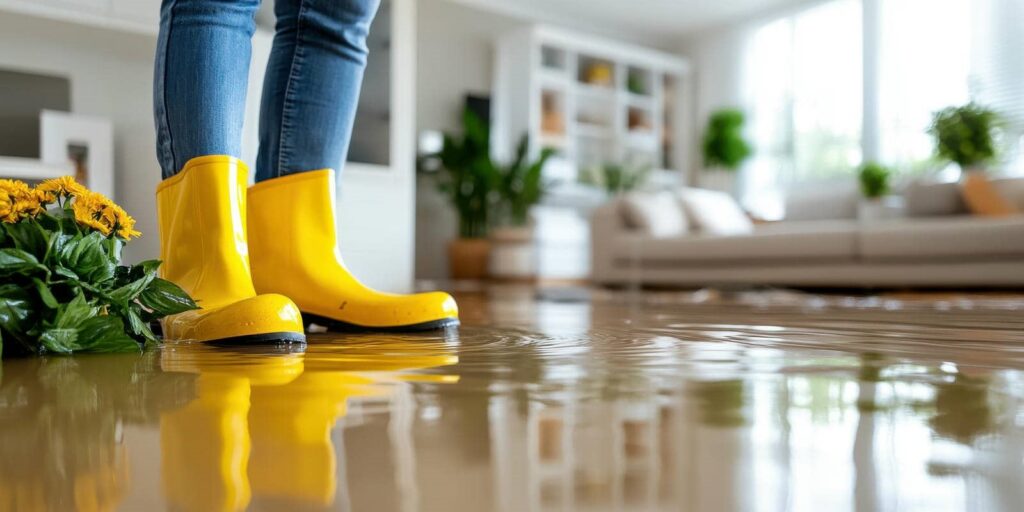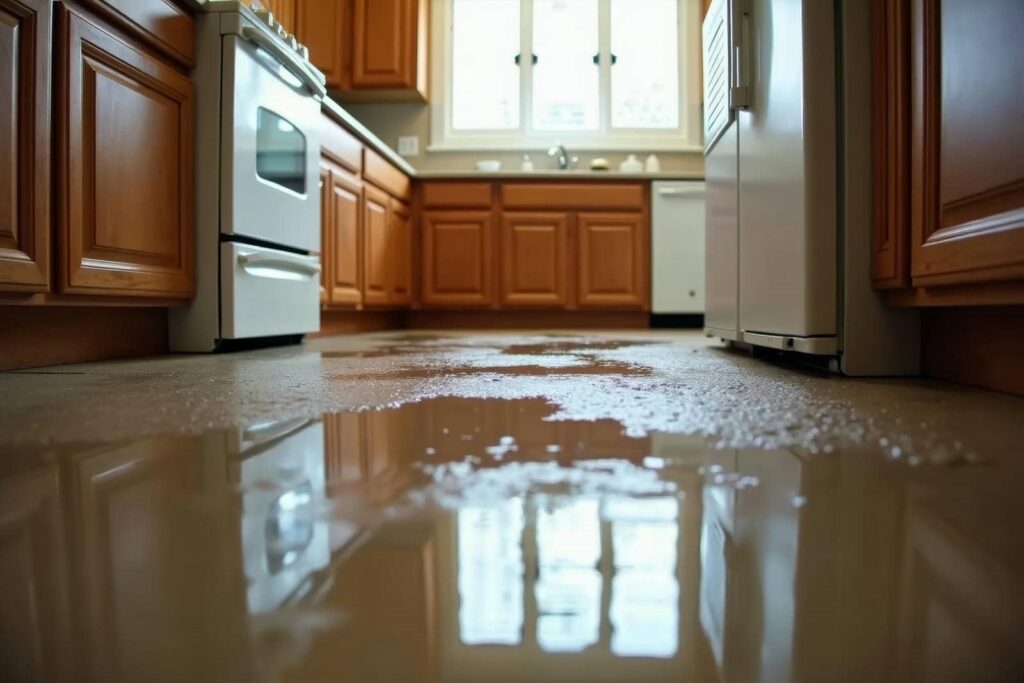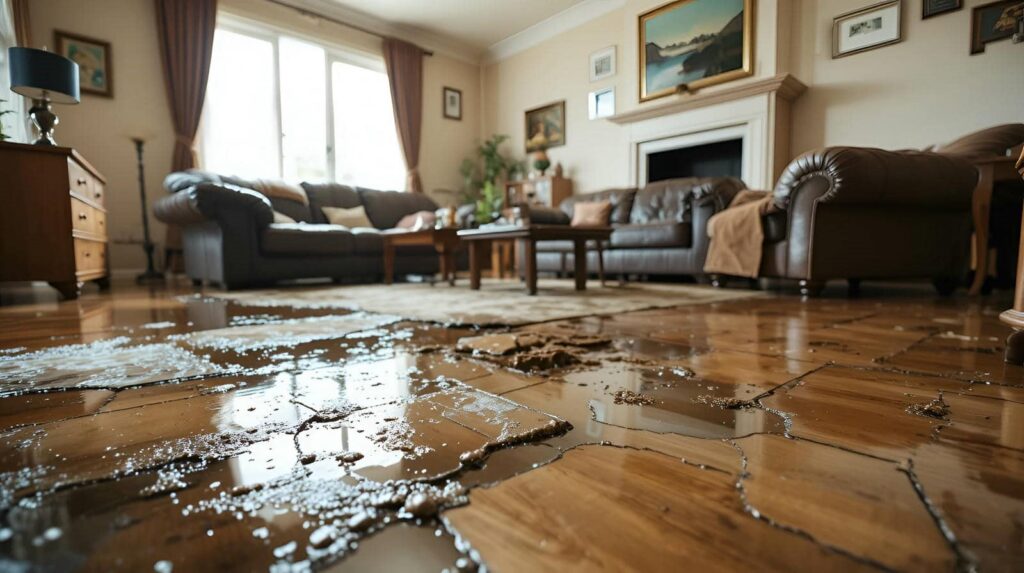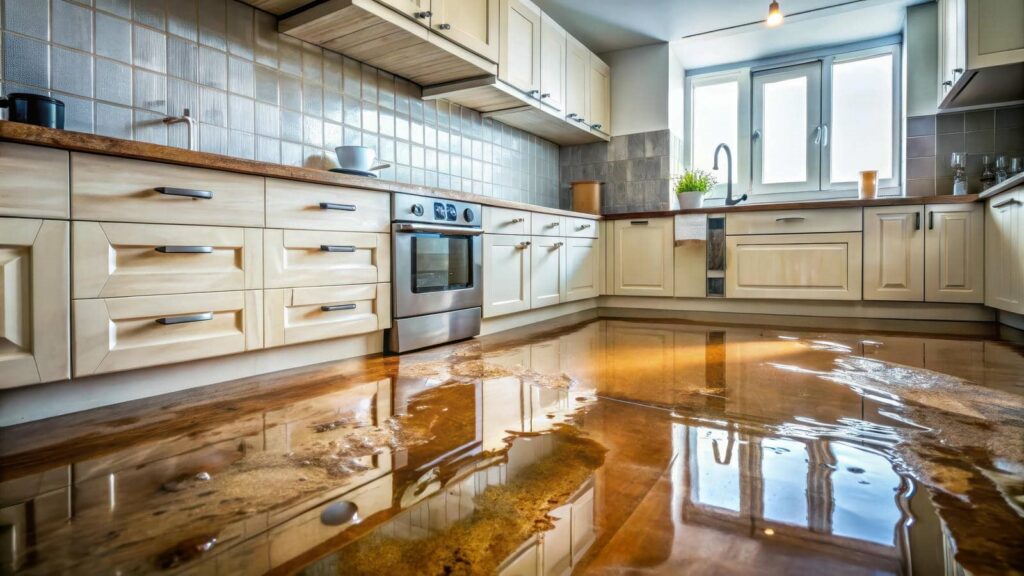
In flood damage restoration, quick responses, thorough assessments, and effective techniques matter. Following top practices is crucial for minimizing damage and protecting health. When you act swiftly, you prevent mold growth and ensure a more efficient recovery. Understanding the intricacies of water extraction and drying can greatly reduce costs. So, what are the key strategies to take into account for a successful restoration process?
Key Takeaways
- Adhering to top practices minimizes damage and reduces restoration costs by ensuring a swift and effective response to flooding.
- Quick water extraction prevents mold growth, protecting both health and property from long-term damage.
- Regular inspections and assessments help identify hidden water issues, allowing for timely interventions and efficient restoration.
- Implementing proper drying and dehumidification strategies enhances restoration effectiveness and prevents future moisture-related problems.
- Following established practices fosters community resilience and ensures everyone is prepared for emergencies, enhancing overall safety.
Understanding the Importance of Quick Response
When a flood strikes, every moment counts, and your quick response can greatly impact the extent of the damage. Understanding the importance of emergency preparedness is essential for minimizing loss. Start by ensuring you have a plan in place that includes escape routes, emergency contacts, and an inventory of your belongings. This preparation empowers you to act decisively when disaster hits.
Prompt communication with family members and local authorities can further enhance safety and effectiveness during a flood. Share your emergency plan with loved ones, so everyone knows what to do and where to go. Keeping a charged phone and a portable charger handy will help you stay informed through alerts and updates.
Ultimately, your swift actions protect your property and foster a sense of community resilience. By prioritizing quick responses, you’re ensuring that you, your family, and your neighbors can recover together.
Assessing the Extent of Water Damage
To effectively assess the extent of water damage, you need to start by identifying the source of the water. This step is essential for implementing the right restoration strategies and preventing further issues.
Next, evaluate the structural integrity of affected areas to determine if they can be salvaged or require replacement.
Identifying Water Source
How can you effectively pinpoint the source of water damage in your home? Accurate water source identification is essential for proper restoration. Start with these steps:
Inspect Common Areas: Check bathrooms, kitchens, and basements for visible leaks or moisture.
Look for Water Stains: Yellow or brown stains on walls and ceilings often indicate a hidden leak.
Utilize Leak Detection Tools: Invest in moisture meters or infrared cameras to identify hidden moisture and track down leaks.
Evaluating Structural Integrity
While evaluating the extent of water damage, prioritizing structural integrity is essential for ensuring your home’s safety and longevity.
Start with a thorough foundation assessment to identify any cracks or shifts that may compromise stability. Next, conduct a detailed structural analysis, examining beams, walls, and roofing for signs of water-related deterioration.
Look for warped materials, mold growth, or weakened joints that can pose risks. Don’t underestimate the importance of professional guidance; enlisting an experienced restoration team can provide you with accurate insights and necessary repairs.
Implementing Effective Water Extraction Techniques
When facing water damage, your quick response can greatly reduce overall restoration costs and prevent mold growth.
Utilizing advanced equipment, like high-capacity pumps and dehumidifiers, ensures you extract water efficiently and effectively.
Implementing these techniques accelerates the recovery process and safeguards your property from further damage.
Importance of Quick Response
Quick response is essential in flood damage restoration, as every minute counts when it comes to minimizing property damage and preventing secondary issues like mold growth.
When you act quickly, you help ensure a safer environment for everyone involved. Here’s why your emergency response matters:
Rapid Assessment: Quickly evaluate the extent of the damage to determine the best course of action.
Timely Water Extraction: Remove excess water immediately to prevent further damage and reduce restoration costs.
Mitigating Health Risks: Address potential health hazards, such as mold and bacteria, by responding promptly.
Advanced Equipment Utilization
Effective water extraction techniques are vital for successful flood damage restoration, as they directly impact the speed and thoroughness of the recovery process.
By utilizing advanced technology, you can considerably enhance your water extraction capabilities. High-powered pumps and specialized vacuums swiftly remove excess water, preventing further structural damage and mold growth.
It’s essential to perform regular equipment maintenance to ensure peak performance. Neglecting maintenance can lead to breakdowns and delay restoration efforts.
Your choice of tools reflects your commitment to excellence and fosters trust among clients.
Embracing these advanced methods and keeping your equipment in top shape ensures a more efficient and effective flood recovery, ultimately creating a safer environment for everyone involved.
Drying and Dehumidification Strategies
While the aftermath of a flood can be overwhelming, implementing robust drying and dehumidification strategies is essential to restoring affected spaces efficiently.
Effective moisture control not only helps in rapid recovery but also prevents future issues. Here are three key drying techniques you should consider:
Air Movement: Use fans to circulate air throughout the affected areas. This accelerates the evaporation process and enhances drying efficiency.
Dehumidification: Employ dehumidifiers to extract moisture from the air. This creates a drier environment, allowing materials to dry faster and reducing the risk of secondary damage.
Thermal Drying: Utilize heated air to increase evaporation rates. By raising the temperature of affected surfaces, you can effectively expedite the drying process.
Mold Prevention and Remediation
As floodwaters recede, the risk of mold growth escalates, making mold prevention and remediation critical components of the restoration process. You need to act quickly to minimize the potential for mold spores to establish themselves in your home.
Start by thoroughly inspecting affected areas for dampness, and ensure you dry surfaces within 24 to 48 hours after flooding. Utilize effective remediation techniques, such as using antifungal solutions and sealing affected materials, to eliminate existing mold and prevent future infestations.
Consider professional help if the mold problem is extensive. They’ve the expertise and equipment to tackle severe cases safely.
Additionally, maintaining a controlled indoor environment with proper ventilation and humidity levels can greatly reduce the risk of mold growth. By prioritizing mold prevention and remediation, you’re not just restoring your home; you’re safeguarding your health and creating a safer space for you and your loved ones.
Long-Term Restoration and Repair Solutions
Once floodwaters have receded and immediate concerns like mold have been addressed, focusing on long-term restoration and repair solutions becomes essential to confirm your home is safe and livable.
Prioritizing these measures enhances your living environment and fosters a sense of belonging in your community.
Consider the following steps for effective long-term planning:
Use Sustainable Materials: Opt for eco-friendly materials that withstand future flooding and reduce environmental impact.
Implement Proper Drainage Systems: Confirm your property has adequate drainage to prevent future water accumulation, protecting your investment.
Regular Maintenance Checks: Schedule routine inspections to catch potential issues before they escalate, confirming your home remains a safe haven.
Frequently Asked Questions
How Can I Prevent Future Flood Damage?
To prevent future flood damage, implement flood proofing techniques like elevating electrical systems and installing effective drainage systems. Regularly inspect gutters and downspouts, ensuring they direct water away from your property to minimize risk.
What Insurance Covers Flood Damage Restoration?
“An ounce of prevention is worth a pound of cure.” Flood insurance policies cover restoration costs, but check your coverage limits carefully. You want to ensure you’re protected when disaster strikes, giving you peace of mind.
How Do I Choose a Restoration Company?
To choose a restoration company, check their qualifications, certifications, and experience. Read company reviews from past clients to gauge satisfaction. This ensures you select a reliable team that understands your needs and delivers quality service.
Are DIY Restoration Methods Effective?
DIY techniques can be effective for minor situations, but their restoration effectiveness often falls short for severe damage. You might save money, but professional help ensures thorough restoration and peace of mind when facing significant flooding issues.
What Should I Keep During the Restoration Process?
Think of your home as a treasure chest. During restoration, keep restoration essentials like safety gear and tools, along with valuable items such as photographs and important documents, safe from further damage to protect your memories.
Recap
So, if you think ignoring top flood damage restoration practices is a good idea, you might as well invite a family of mold to move in while you’re at it. Quick responses, thorough assessments, and effective extraction techniques aren’t just for the overly cautious—they’re your best friends in disaster recovery. Don’t let your home become a soggy museum of neglect. Embrace these strategies, and you’ll keep both your home and your sanity intact, ready for whatever comes next.