
Thornton, CO Sewage Cleanup
Thornton Sewage Cleanup
A sewage backup can create serious sanitation concerns and disrupt your home or business without warning. Quick Restore of Colorado, LLC provides Thornton Sewage Cleanup services focused on removing contaminated waste, disinfecting affected areas, and restoring your property to a safe and sanitary condition. With licensed and insured professionals, advanced cleanup techniques, and 24/7 emergency availability, the team responds quickly when sewage problems require professional attention.
What We Do
Our Services in Thornton, CO
Water Damage Restoration
Flood Damage
Water Extraction
Mold Remediation
Commercial Restoration
Fire and Smoke Damage
Storm Damage
Rebuild / Reconstruction
Sewage Cleanup
Why Choose Our Sewage Cleanup Team?
Sewage emergencies require prompt, careful attention. Our experienced professionals combine responsive service with personalized restoration solutions designed around the needs of each affected property.
24/7 Response
Emergency professionals are available around the clock to respond promptly when sewage problems occur.
Experienced Professionals
Licensed and insured specialists bring more than 50 years of combined restoration experience.
Personalized Solutions
Every cleanup receives personalized attention backed by a concierge level of customer service.
Insurance Advocacy
The team communicates with insurance carriers and advocates for customers throughout the restoration process.
Get Help With Sewage Cleanup Today
Don’t allow contaminated sewage to remain in your property longer than necessary. Contact Quick Restore of Colorado, LLC for responsive Thornton Sewage Cleanup services and let experienced professionals help restore your home or business to a clean, safe, and sanitary condition.

Cleanup Process
Professional Sewage Cleanup in Thornton
Sewage contamination can contain harmful pathogens, bacteria, and viruses that create potential health hazards. Professional cleanup addresses more than visible wastewater and debris. The affected environment must be carefully assessed, cleaned, disinfected, and restored with sanitation and safety in mind.
The sewage cleanup process begins with a thorough assessment of the affected area. Contaminated water is contained to help prevent additional spreading before sewage and damaged materials are removed. The team uses professional equipment, including powerful vacuums, to remove sewage from affected areas.
After removal, affected spaces are cleaned and sanitized using industrial-grade disinfectants. This process addresses visible contamination while targeting pathogens that may remain in the environment. Advanced techniques and protective equipment are used when handling contaminated materials.
Once cleanup is completed, the focus turns to restoring the affected space to its original condition. Prompt action can also help reduce complications associated with sewage incidents, including mold growth and structural damage.
Health Protection
Addressing Sewage Health Hazards
Sewage spills can expose a property to harmful pathogens, bacteria, and viruses. For this reason, cleanup is about more than removing unpleasant water or odors. Swift action helps address contamination and protects the health of people entering the affected area.
Quick Restore of Colorado, LLC uses advanced techniques, protective equipment, sewage removal methods, and disinfectants to restore affected environments. The goal is a thorough cleanup that returns your space to a safe and healthy condition while minimizing disruption to daily life.
Backup Response
What to Do After a Sewage Backup
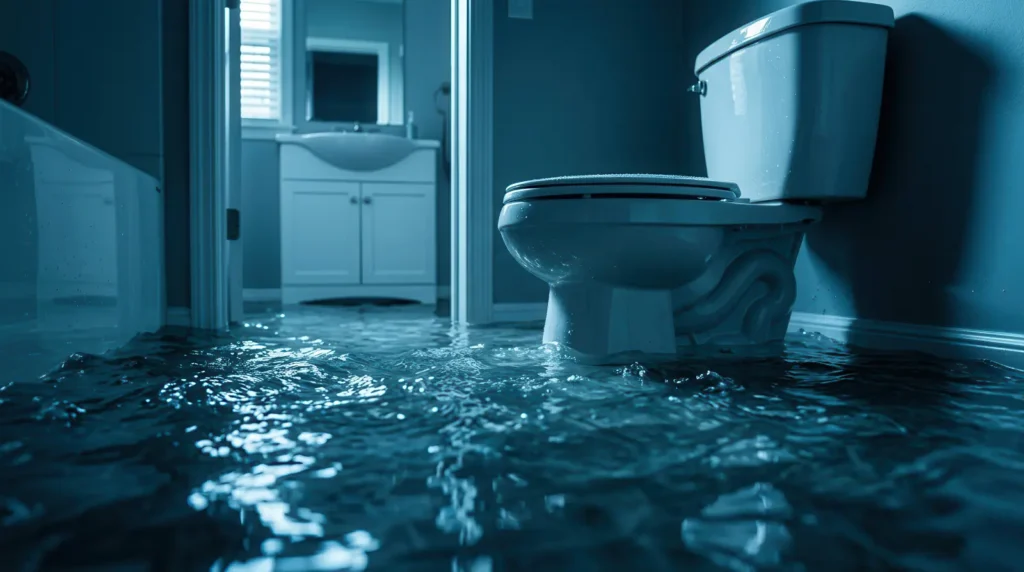
If you experience a sewage backup, avoid using water sources such as sinks, toilets, and showers because additional water use may contribute to further contamination. Contact the 24/7 emergency response team promptly for assistance and guidance on the appropriate next steps.
Signs that professional sewage cleanup may be needed include foul odors, visible sewage, contaminated-looking water, or signs of water damage or mold growth near plumbing fixtures. The affected area can then be assessed to determine the appropriate cleanup approach.
After the immediate problem is resolved, regular plumbing maintenance may help prevent future backups. Cleaning drains, checking for tree roots invading pipes, and avoiding flushing wipes, feminine hygiene products, and other unsuitable materials can help reduce sewage backup risks.