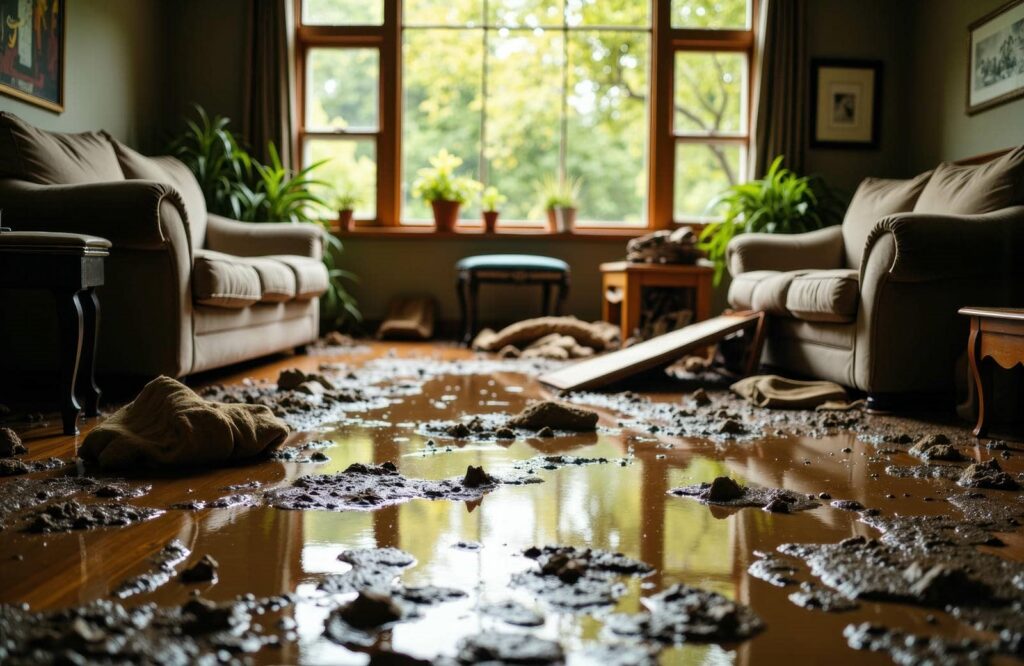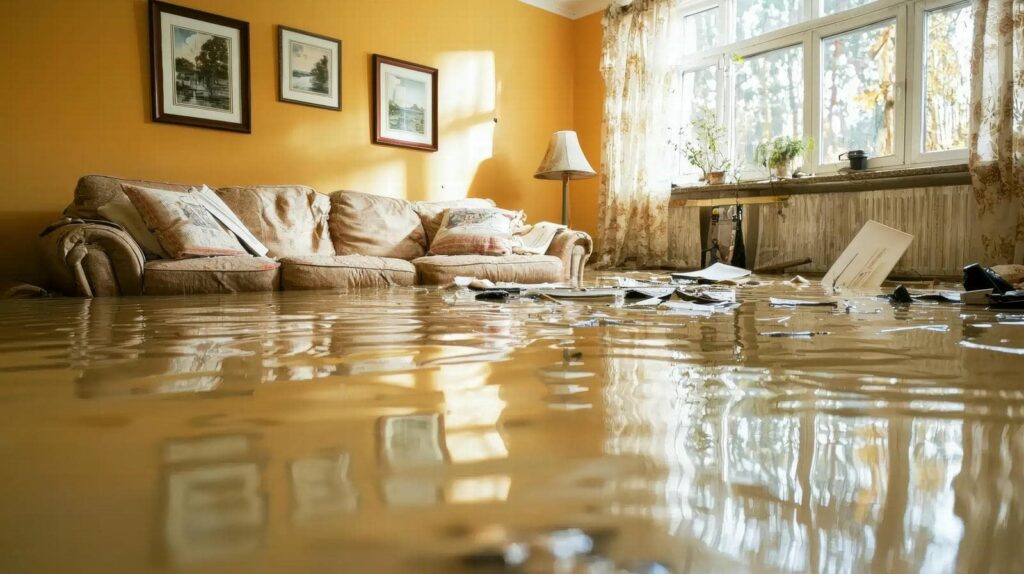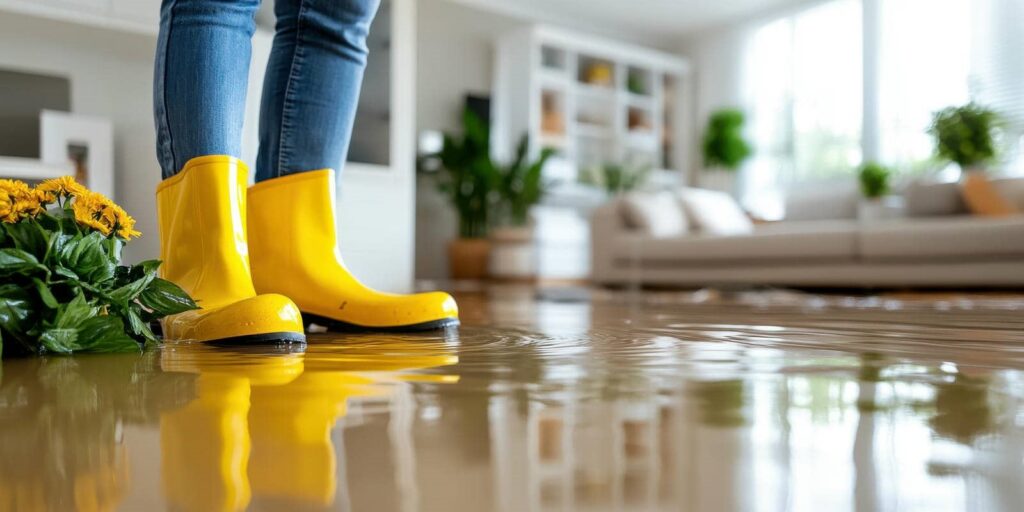
Imagine you arrive home to find several inches of water flooding your basement after a heavy rainstorm. It’s essential to act quickly and methodically to minimize damage and ensure safety. By evaluating the situation and gathering the right tools, you can tackle the emergency water cleanup effectively. But what specific steps should you take to secure a thorough and efficient process?
Key Takeaways
- Quickly assess the damage and identify hazards before beginning cleanup to ensure safety and effective mitigation.
- Use a powerful wet/dry vacuum to efficiently remove standing water and prevent further damage.
- Enhance drying by deploying industrial fans and dehumidifiers to reduce humidity levels and inhibit mold growth.
- Clean and disinfect affected surfaces with appropriate agents to eliminate bacteria and viruses, ensuring a safe environment.
- Document all damage and cleanup efforts for insurance claims and future reference, keeping thorough records throughout the process.
Assessing the Damage
When you face water damage, evaluating the situation quickly is essential for effective cleanup and restoration.
Start with a thorough damage evaluation, identifying the source and extent of the water intrusion. Check for structural issues, mold growth, and compromised materials. Document everything; this will aid in your impact analysis and help you prioritize repairs.
Consider the types of materials affected—drywall, flooring, and furniture can all respond differently to water exposure.
Inspect hidden areas, such as behind appliances or under carpets, where moisture may linger unnoticed.
Ensuring Safety First
Although the damage may seem overwhelming, ensuring your safety should always be the top priority during a water cleanup. Before diving into the cleanup process, familiarize yourself with essential safety protocols. Start by evaluating potential hazards, such as electrical issues or contaminated water. If you suspect any risks, don’t hesitate to call in professionals.
Wearing personal protective equipment (PPE) is vital. Use gloves, masks, and waterproof boots to safeguard yourself from harmful substances. These precautions protect your health and instill confidence as you navigate the cleanup.
Keep a first aid kit on hand for minor injuries, and make sure you have a safe exit route in case conditions worsen. By following these safety protocols, you create a secure environment for yourself and anyone else involved in the cleanup.
Gathering Essential Equipment
Gathering the right equipment is essential for an efficient water cleanup. To tackle water removal effectively, you need a well-thought-out equipment checklist.
Start with a powerful wet/dry vacuum to extract standing water swiftly. Don’t overlook safety gear like gloves and masks, which protect you from contaminants. Consider industrial fans and dehumidifiers to promote rapid drying and prevent mold growth.
You’ll also want absorbent materials like towels and mop heads on hand for those stubborn water spots. A submersible pump can be invaluable for larger areas, ensuring you’re not left overwhelmed.
Lastly, having a sturdy bucket and trash bags for debris disposal keeps the workspace organized and efficient.
Removing Standing Water
When faced with standing water, using pumps effectively is essential for swift removal.
Make certain to select the right type of pump for your situation, as this can greatly speed up the cleanup process.
Additionally, employing wet vacuums can help tackle residual water and ensure that no moisture lingers to cause further damage.
Use Pumps Effectively
To effectively remove standing water from your property, using pumps is vital.
Start by selecting the right pump types for your situation; submersible and utility pumps are popular choices for quick drainage. Make sure you understand the capacity and features of each pump to maximize efficiency.
Regular pump maintenance is important—check for clogs and inspect hoses before use to prevent malfunctions during emergencies.
Position the pump at the lowest point to encourage ideal water removal, and monitor its operation to adjust as necessary.
Employ Wet Vacuums
Employing wet vacuums can greatly streamline the process of removing standing water from your home or property. By selecting the right wet vacuum types, you can efficiently tackle various flooding situations.
Consider the following:
- Portable vs. Stationary: Choose based on the scale of the water damage.
- Capacity: Larger tanks mean fewer trips to empty, saving time.
- Suction Power: Higher wattage typically results in faster water removal.
- Attachments: Nozzles and hoses can enhance versatility for tight spaces.
Remember that regular vacuum maintenance is essential for peak performance. Clean filters and inspect hoses to avoid clogs.
With the right wet vacuum and proper care, you’ll speed up cleanup and protect your home from further damage.
Drying the Affected Areas
Effective drying of affected areas is essential in mitigating water damage and preventing mold growth. To achieve ideal moisture control, start by removing any standing water with wet vacuums.
Once the bulk of the water is gone, focus on enhancing air circulation throughout the space. Open windows and doors to facilitate airflow, or use fans and dehumidifiers to speed up the drying process. Position fans strategically to direct airflow toward damp areas, ensuring that moisture doesn’t linger in corners or behind furniture.
Monitor humidity levels regularly; maintaining a low humidity level helps inhibit mold growth. If possible, use a moisture meter to check the moisture content of affected materials.
Cleaning and Disinfecting
Once you’ve dried the affected areas, cleaning and disinfecting become essential to ensure that any lingering contaminants are effectively removed.
This step ensures your space is safe and also promotes a sense of community well-being.
Use appropriate cleaning agents and follow these guidelines:
Choose the right cleaning agents: Opt for those that are effective against bacteria and viruses.
Disinfecting surfaces thoroughly: Pay close attention to high-touch areas like doorknobs and countertops.
Use proper techniques: Wipe surfaces with clean cloths to avoid spreading contaminants.
Follow manufacturer instructions: Ascertain you’re using products as recommended for the best results.
Preventing Mold Growth
Even after cleaning and disinfecting, it’s important to take proactive steps to prevent mold growth, which can occur in damp environments.
To achieve effective mold prevention, start by controlling humidity levels in your space. Aim to keep indoor humidity below 60% using dehumidifiers and air conditioners. Regularly check and repair leaks in plumbing and roofing, as these can create ideal conditions for mold.
Ventilation is key; ensure proper airflow in all areas, especially basements and bathrooms. You might also consider using mold-resistant products, such as paints and building materials, in high-risk areas.
If you notice any signs of mold, act quickly by cleaning with a mixture of water and detergent, and ensure the area is thoroughly dried.
Restoring Property and Contents
Once you’ve tackled mold prevention, it’s vital to assess the extent of water damage to your property and belongings.
Understanding the severity will guide your choice of effective drying techniques and the necessary steps for content restoration.
Assessing Water Damage
Evaluating water damage is essential for effective restoration of your property and belongings. Start by conducting a thorough damage assessment to determine the water type—whether it’s clean, gray, or black water—as this will influence your next steps.
Consider these key points during your assessment:
Inspect structural elements like walls, floors, and ceilings for integrity.
Check for mold or mildew growth, which can exacerbate damage.
Document your findings with photos and notes to support insurance claims.
Identify which belongings can be salvaged and which may need replacement.
Effective Drying Techniques
After evaluating the water damage, the next step is to implement effective drying techniques to restore your property and belongings.
Start by utilizing advanced dehumidification techniques, which can rapidly reduce moisture levels in the air and materials. Portable dehumidifiers are essential tools; they remove excess humidity, preventing mold growth and further damage.
Incorporate thermal imaging applications to identify hidden moisture pockets within walls and ceilings.
This technology allows you to target areas needing extra attention, ensuring a thorough drying process.
Contents Restoration Process
The contents restoration process is essential for salvaging your belongings after water damage. Start by creating a detailed contents inventory, documenting each item’s condition. This helps you prioritize which items need immediate attention.
Next, take the following steps:
- Remove items from affected areas promptly to prevent further damage.
- Clean and dry items using appropriate methods tailored to their materials.
- Assess the restoration timeline; some items may require professional treatment.
- Store salvaged items in a safe, dry environment until you’re ready to return them.
Implementing Future Prevention Strategies
Although water damage can strike unexpectedly, implementing effective prevention strategies can greatly mitigate future risks. To enhance your flood preparedness, start by evaluating your property for vulnerabilities. Regularly inspect and maintain gutters, downspouts, and drainage systems. Investing in sump pumps and backflow valves can also safeguard against unexpected water influx.
Moreover, embrace water conservation practices. Efficiently using water reduces strain on local systems and minimizes the chance of overflows during heavy rains. Consider rain barrels to collect runoff; they conserve water and reduce flood risk.
Finally, develop a community response plan. Engaging with neighbors fosters a supportive network for sharing resources and information during emergencies.
Frequently Asked Questions
What Should I Do if I Can’t Find My Water Shut-Off Valve?
If you can’t find your water shut-off valve, consider using water valve alternatives like hose bibs or pressure regulators. For immediate relief, explore emergency plumbing solutions, and don’t hesitate to call a professional for assistance.
How Can I Prevent Water Damage During Heavy Rainfall?
To prevent water damage during heavy rainfall, make certain your storm drains are clear and functional. Install sump pumps in your basement to manage excess water. Regular maintenance helps keep your home safe and dry.
Is It Safe to Use Electrical Appliances After Water Damage?
No, it’s not safe to use electrical appliances after water damage. You should conduct a thorough appliance inspection and ensure electrical safety before turning anything on. Prioritize your safety and avoid potential hazards.
What Types of Insurance Cover Water Damage Cleanup?
Your homeowners policy often covers water damage cleanup, but flood insurance specifically addresses flooding incidents. Check your policy details to confirm you’re fully covered, and consider additional coverage if necessary for thorough protection.
How Long Does It Typically Take for Water Damage Restoration?
Typically, the water restoration timeline varies between a few days to a week. The drying process duration depends on the extent of damage, materials affected, and humidity levels, ensuring thorough restoration for your peace of mind.
Wrap-Up
Effectively managing water cleanup restores your property and also strengthens community ties. By taking action swiftly, you’re not just addressing immediate damage; you’re also creating a safer environment for everyone. Coincidentally, while you tackle these challenges, you might discover a neighbor with similar issues, fostering collaboration and shared solutions. Remember, preparedness is key—implementing these strategies ensures you’re ready for any future incidents, turning potential disasters into opportunities for resilience and unity.