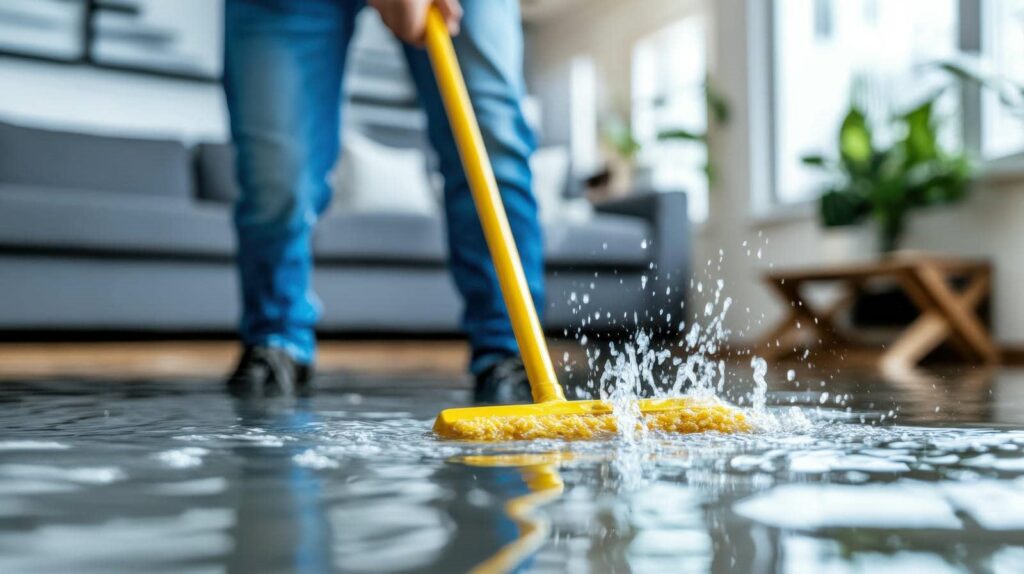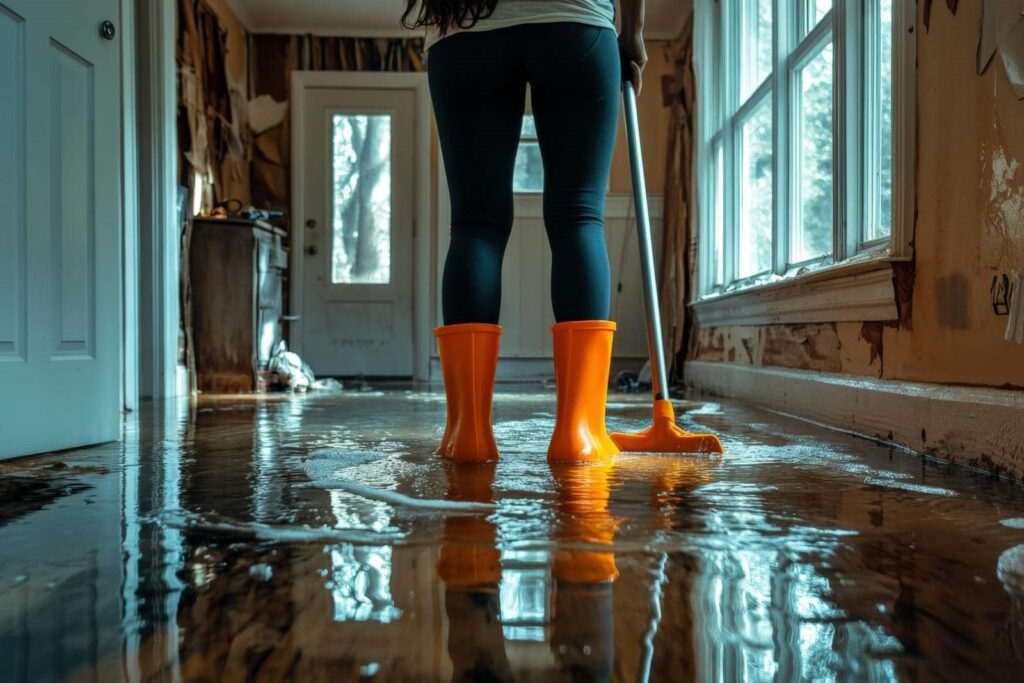
When faced with flood damage, knowing how to approach damage restoration can make a significant difference. You’ll need to assess the extent of the damage, prioritize safety, and gather the right tools. Each step is vital, from effective water extraction to thorough drying. Understanding these processes will help you restore your space and prepare you for future incidents. Let’s explore the essential techniques to ensure a successful restoration.
Key Takeaways
- Assess and document damage thoroughly, including photographs, to support insurance claims and identify salvageable items.
- Prioritize safety by wearing protective gear and turning off power to avoid electrical hazards before starting the restoration.
- Gather essential tools and supplies like wet/dry vacs, disinfectants, and moisture meters for effective water extraction and cleaning.
- Clean and sanitize thoroughly, using appropriate solutions, and ensure surfaces are dried to prevent mold growth and health hazards.
- Implement flood prevention measures, such as installing barriers and maintaining drainage systems, to minimize future flooding risks.
Assessing the Damage
When you face flood damage, evaluating the situation is essential before taking any restoration steps. Start by documenting the extent of the damage, focusing on structural elements like walls, floors, and foundations.
Take clear photographs for your records, as these will aid in damage evaluation and support your insurance claims. Assess the condition of personal belongings, noting any items that can be salvaged or need replacement.
Next, identify the source of the flooding to prevent future issues. Check for mold growth, which can develop quickly in damp conditions.
Be thorough in your assessment; any details you miss can impact your claims process. Once you’ve gathered all necessary information, contact your insurance provider to discuss coverage options.
A detailed evaluation helps in effective restoration and strengthens your position in securing the support you need during this challenging time.
Safety Precautions to Take
Before you start the restoration process, ensure you have the right personal protective equipment (PPE) to safeguard yourself from contaminants.
Additionally, assess and address any electrical hazards by turning off power to affected areas to prevent shocks or fires.
Taking these safety precautions will help you work more effectively and protect your well-being.
Personal Protective Equipment
A thorough approach to flood damage restoration includes prioritizing your safety with the right personal protective equipment (PPE).
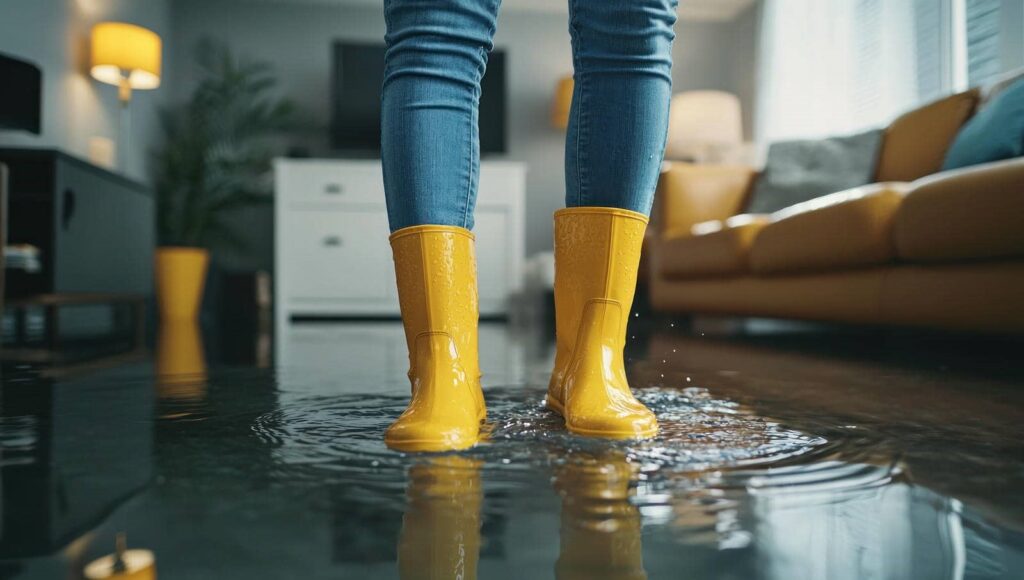
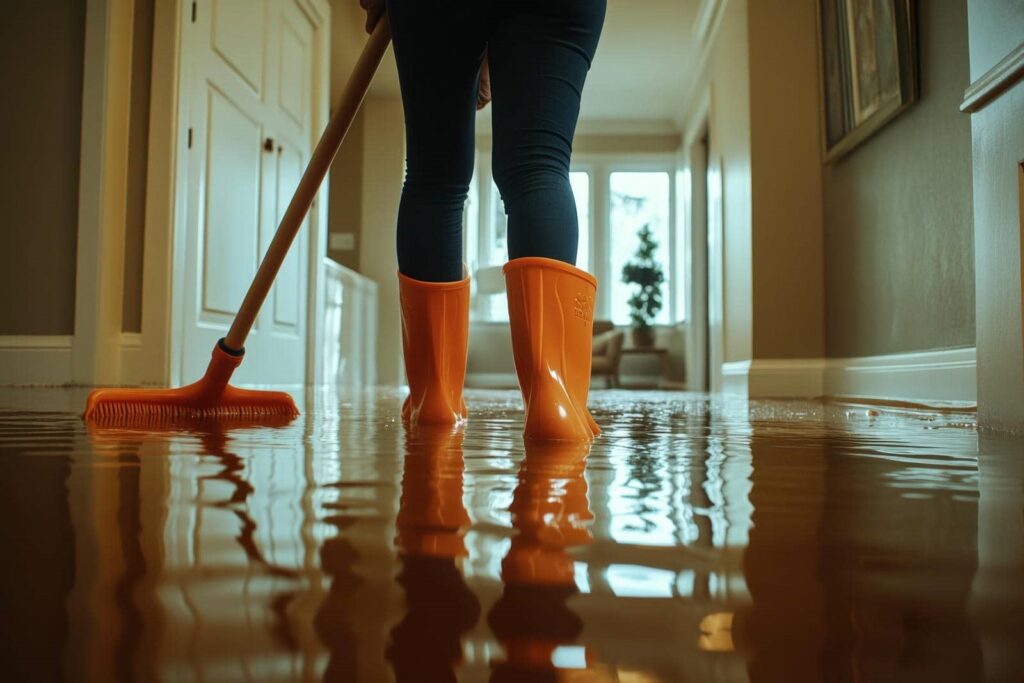
Start with sturdy, waterproof boots to protect your feet from contaminated water. Wear gloves to shield your hands from hazardous materials, and consider a respirator if mold or chemical exposure is likely. Safety goggles are essential to protect your eyes from debris and contaminants.
Before you begin, conduct a hazard assessment to identify specific risks in your environment. This evaluation will guide your selection of protective gear, ensuring you’re prepared for the unique challenges of flood restoration.
Electrical Safety Measures
Flood restoration often involves dealing with electrical systems that may have been compromised. To ensure your safety, follow these essential electrical safety measures:
Shut off the circuit breaker: Before starting any work, turn off the main circuit breaker to eliminate the risk of electric shock.
Use surge protection: Invest in surge protectors for your appliances to prevent damage from power fluctuations once the power is restored.
Inspect wiring carefully: Look for signs of water damage or corrosion on wires and outlets, and avoid using any equipment that appears compromised.
Essential Tools and Supplies
To effectively tackle flood damage restoration, you’ll need a specific set of tools and supplies.
Gather must-have tools like wet/dry vacs and squeegees, along with essential cleaning supplies such as disinfectants and deodorizers.
Don’t forget safety equipment like gloves and masks to protect yourself during the restoration process.
Must-Have Tools
When tackling flood damage restoration, having the right tools on hand can make all the difference in effectively mitigating issues.
You’ll want to ensure you’re prepared, especially if you’re managing flood insurance claims and securing repair permits.
Here are three must-have tools to get you started:
Moisture Meter: This helps you detect hidden water damage, ensuring you address all affected areas.
Sump Pump: Essential for removing standing water quickly, minimizing further damage and mold growth.
Dehumidifier: This tool aids in drying out the space, helping you maintain a safe environment during restoration.
Equipped with these tools, you’ll feel empowered to tackle the challenges of flood damage restoration successfully.
Cleaning Supplies Needed
Once you’ve gathered the right tools, it’s time to focus on the cleaning supplies that will help restore your space effectively.
Start with heavy-duty cleaning products like all-purpose cleaners and disinfectants to tackle dirt and bacteria. Don’t forget specialized mold prevention sprays; they’re essential in stopping mold growth post-flood.
For porous materials, use enzyme-based cleaners that break down organic matter. You’ll also need scrub brushes, sponges, and microfiber cloths for thorough cleaning.
A wet/dry vacuum can efficiently remove water and debris, while trash bags help dispose of damaged items. Finally, consider odor neutralizers to eliminate lingering smells.
Having these supplies on hand ensures a thorough flood restoration, fostering a safe, welcoming environment for you and your loved ones.
Safety Equipment Essentials
Before diving into the restoration process, safeguarding your safety is paramount. You should equip yourself with essential safety gear to protect against hazards like mold and contaminated water.
Here are three must-have items:
- Rubber boots: Keep your feet dry and safe from sharp objects or chemicals.
- Gloves: Use heavy-duty gloves to protect your hands from contaminants.
- Face mask: Prevent inhalation of harmful particles, especially when dealing with mold.
Don’t forget to have your flood insurance documents handy and maintain a list of emergency contacts for quick access.
Taking these precautions safeguards your safety and fosters a sense of community among those working together to restore their homes.
Safety first leads to successful restoration!
Water Extraction Methods
Although flooding can cause considerable damage, employing effective water extraction methods is essential for minimizing long-term effects. Start by selecting the right flood pump types for your situation. Submersible pumps work well for deep water, while utility pumps are perfect for shallower areas. Assess your needs and choose accordingly.
Once you’ve chosen your pump, use extraction equipment like wet/dry vacuums to remove residual water. Make sure to work in a systematic manner, focusing on one area at a time. For larger spaces, consider renting professional-grade equipment to expedite the process.
Additionally, don’t forget to monitor the water level continuously to prevent any backflow. After extracting as much water as possible, check for hidden pockets and damp spots, ensuring complete removal.
Drying and Dehumidifying the Area
As you begin the drying and dehumidifying process, it’s crucial to act swiftly to prevent further damage and mold growth.
Start by selecting the right dehumidifier types for your space—consider options like refrigerant, desiccant, or ventilating dehumidifiers.
Next, focus on maximizing air circulation throughout the area.
Here are key steps to follow:
- Remove excess water: Use pumps or wet vacs to eliminate standing water.
- Set up fans: Position fans strategically to promote airflow and speed up the drying process.
- Monitor humidity levels: Use a hygrometer to track moisture levels and adjust your dehumidifiers accordingly.
Cleaning and Sanitizing Affected Surfaces
Once you’ve dried the area thoroughly, it’s essential to clean and sanitize all affected surfaces to eliminate contaminants and prevent health hazards.
Start by wearing protective gear, including gloves and a mask, to ensure your safety. Use a mixture of water and detergent for initial cleaning, scrubbing surfaces to remove debris and dirt.
For effective mold prevention, follow up with disinfecting techniques. A solution of one cup of bleach to a gallon of water works well for non-porous surfaces. Apply it generously and let it sit for at least 10 minutes before rinsing.
For porous materials, consider using a specialized mold removal product, as bleach may not penetrate effectively.
Once sanitized, make sure the area remains dry to deter mold growth. Regularly check the surfaces for any signs of moisture or mold, and stay proactive in maintaining a healthy environment.
Your diligence now will pay off in the long run.
Preventing Future Flood Damage
To effectively prevent future flood damage, it’s essential to assess your property’s vulnerabilities and implement strategic solutions.
Start by identifying areas prone to flooding and consider installing flood barriers. These can provide a first line of defense against rising waters. Additionally, landscaping solutions can greatly enhance drainage and reduce runoff.
- Elevate key structures, like HVAC units, to minimize damage risk.
- Create swales and rain gardens to direct water away from your home.
- Regularly maintain gutters and downspouts to ensure they’re clear and functional.
Frequently Asked Questions
How Long Does Flood Damage Restoration Typically Take?
Flood damage restoration typically takes one to three weeks, depending on the severity. You’ll start with a damage assessment, which helps establish a restoration timeline, ensuring you’re informed and engaged throughout the process.
Can I File an Insurance Claim for Flood Damage?
Absolutely, you can file a claim for flood damage if you have flood insurance. Navigate the claim process by documenting the damage and contacting your insurer promptly to ensure you’re on solid ground for recovery.
What Are the Signs of Hidden Water Damage?
You’ll notice hidden water damage through water stains on walls or ceilings, musty odors, and mold growth. Inspect areas prone to moisture, like basements or behind appliances, to catch issues before they escalate further.
Should I Hire a Professional or Do It Myself?
If you find extensive mold, hiring a professional is your best bet. DIY techniques can save costs, but weigh the risks; a cost comparison shows that professionals may prevent further damage, offering peace of mind and long-term savings.
How Can I Protect My Home From Future Floods?
To protect your home from future floods, install flood barriers around vulnerable areas and enhance drainage systems to efficiently redirect water. Regularly maintain these systems to ensure optimal performance and safeguard your property from potential damage.
Wrap-Up
In the face of water’s unwelcome embrace, you can turn the tide with these proactive steps. By evaluating damage, prioritizing safety, and employing the right tools, you’ll restore your space and reclaim your peace of mind. Remember, thorough drying and sanitizing are key to keeping mold at bay. Implementing preventive measures will help shield your home from future surprises. With determination and the right approach, you can navigate this challenge and emerge stronger than before.