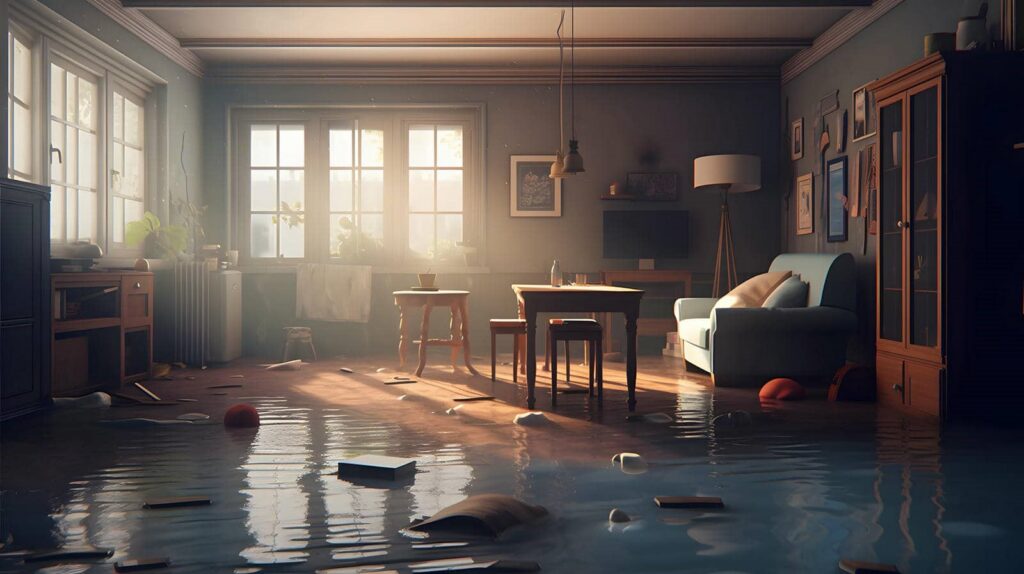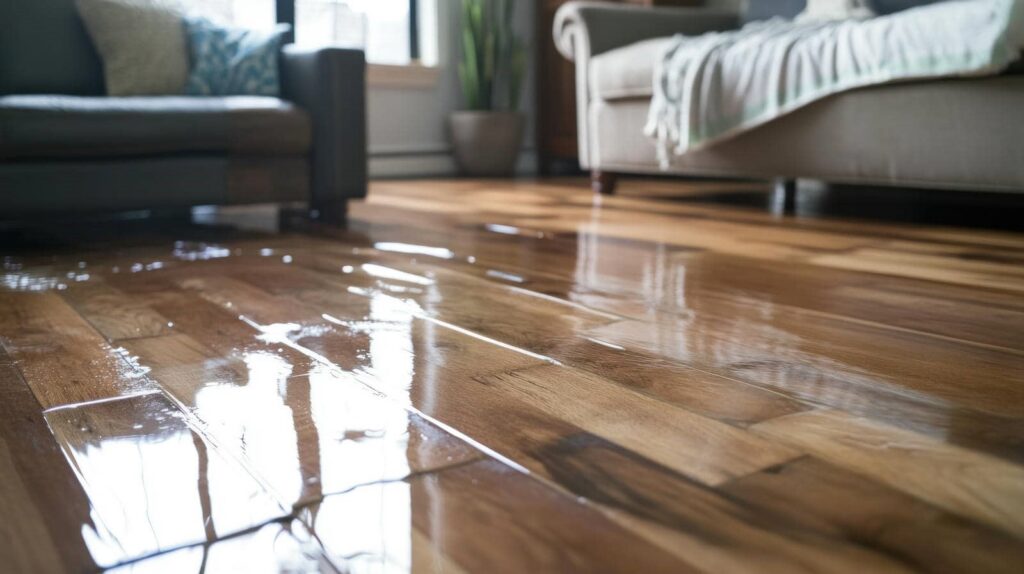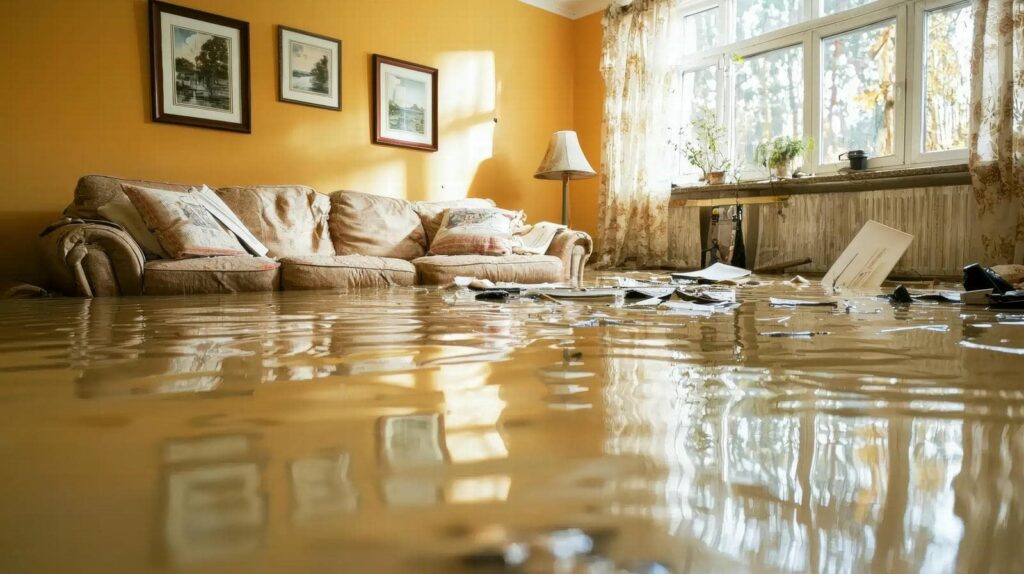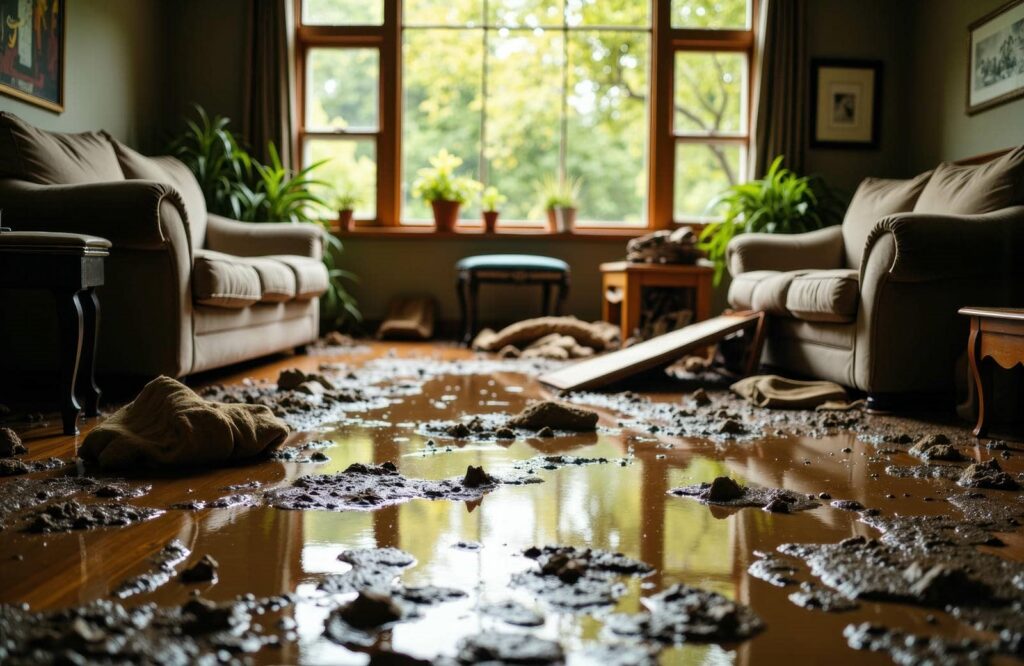
Water is a relentless force, capable of transforming spaces into chaos in mere moments. When faced with such emergencies, knowing how to respond effectively can make all the difference. You’ll need to assess the damage quickly, ensuring safety first. Then, gather the right water cleanup equipment to tackle the situation head-on. But what comes after the initial response? Understanding the subsequent steps is vital for a thorough and successful cleanup.
Key Takeaways
Conduct a thorough damage evaluation to assess water intrusion and structural integrity before beginning cleanup efforts.
Gather necessary equipment, including wet/dry vacuums, mops, dehumidifiers, and protective gear, to ensure efficient water removal.
Remove standing water quickly using submersible pumps for large areas and wet/dry vacuums for smaller, shallow sections.
Dry affected areas using fans and dehumidifiers to prevent mold growth and further damage, while monitoring moisture levels.
Clean and sanitize all contaminated surfaces with appropriate disinfectants, focusing on high-touch areas to ensure safety.
Assessing the Damage and Safety Precautions
When you encounter water damage, it’s crucial to assess the situation carefully before taking any action. Start with a thorough damage evaluation, noting the extent of water intrusion and affected materials. Check for structural integrity—look for sagging ceilings, warped walls, or buckling floors that could signal serious issues.
Next, prioritize your safety by adhering to established safety protocols. Turn off the power to affected areas to avoid electrical hazards and make sure you’re wearing protective gear like gloves and masks to prevent exposure to contaminants. If the water is from a sewage backup, be particularly cautious.
Document your findings with photos and notes, as this information can be invaluable for insurance claims and restoration efforts.
Gathering Necessary Equipment and Supplies
Before diving into the cleanup process, it’s important to gather the right equipment and supplies to ensure efficiency and safety.
Preparing for water extraction requires thorough planning, ensuring you’re ready to tackle the situation head-on. Having the right tools helps you work effectively and also fosters a sense of community as you support each other through the cleanup.
Here’s what you’ll need:
- Safety gear (gloves, masks, and boots)
- Wet/dry vacuum for efficient water extraction
- Mops and buckets to manage residual moisture
- Dehumidifiers to prevent mold growth
With these essentials, you’ll feel empowered to take control of the situation.
Removing Standing Water Efficiently
With your equipment ready, it’s time to tackle the task of removing standing water efficiently. Start by evaluating the area to determine the volume of water.
For effective water extraction, utilize a submersible pump. Position the pump at the lowest point, making sure the hose directs water away from your home’s foundation. Turn on the pump, and let it work its magic, continuously monitoring for clogs or debris that could hinder performance.
If you encounter shallow areas where a pump can’t reach, use a wet/dry vacuum for those final puddles. Make sure to empty the vacuum regularly to maintain suction power.
Additionally, keep an eye on safety; wear protective gear and confirm electricity is turned off in flooded zones. By mastering pump usage and combining methods, you’ll efficiently eliminate standing water, preventing further damage to your property.
Your swift action can make a real difference in managing the aftermath of water emergencies.
Drying Out Affected Areas
As you shift from removing standing water to drying out affected areas, it’s important to act quickly to prevent mold growth and further damage.
Start by measuring the moisture levels in the affected spaces using a hygrometer. This step will help you identify the areas that need immediate attention. Proper fan placement is vital; direct fans towards the wettest areas to maximize airflow and evaporation.
- The musty smell of mold creeping in can be unsettling.
- You don’t want your cherished belongings to be ruined.
- A sense of urgency can weigh heavily on your mind.
- A dry, safe home is a comforting sanctuary.
Cleaning and Sanitizing Contaminated Surfaces
Once the affected areas are adequately dried, the next step is cleaning and sanitizing contaminated surfaces to eliminate any lingering bacteria or pathogens.
Start by selecting effective cleaning agents that are suitable for the materials in your space. For hard surfaces, use a mixture of water and a disinfectant, ensuring it meets EPA guidelines for efficacy.
Apply the cleaning solution generously, scrubbing vigorously to remove dirt and debris. After cleaning, focus on surface sanitization; let the disinfectant sit for the recommended dwell time to ensure maximum effectiveness.
Don’t forget high-touch areas like doorknobs and light switches, as they’re prone to harboring germs.
If you’re dealing with porous materials, like carpets or upholstery, consider using specialized cleaning agents designed for those surfaces.
Always wear protective gear, and remember, thorough cleaning is key to creating a safe environment for everyone.
Preventing Mold Growth
To effectively prevent mold growth after a water incident, it’s essential to control moisture levels in your environment. Mold thrives in damp conditions, so addressing humidity control is vital for mold prevention.
Start by thoroughly drying all affected areas within 24-48 hours. Use dehumidifiers and fans to aid in this process.
Consider these steps to keep your space mold-free:
- Inspect hidden areas like basements and attics regularly.
- Seal leaks in plumbing and roofing to reduce moisture ingress.
- Maintain proper ventilation in bathrooms and kitchens.
- Monitor humidity levels with a hygrometer to ensure they stay below 60%.
Monitoring for Long-Term Effects and Repairs
Even after successfully preventing mold growth, the aftermath of a water incident can leave lasting effects that require vigilant monitoring and timely repairs.
It’s vital to implement long-term monitoring strategies to assess the integrity of your structure. Regularly check for signs of water damage, such as discoloration, warping, or persistent dampness in walls and floors.
Utilize moisture meters to gauge hidden moisture levels that could indicate potential problems. If you identify any issues, develop effective repair strategies promptly. This might involve replacing damaged drywall or flooring and sealing any leaks.
Engaging professional services can ensure thorough assessments and repairs, fostering a sense of security in your home.
By staying proactive about monitoring and repairs, you’ll protect your investment and also create a safe, healthy environment for you and your loved ones.
Frequently Asked Questions
How Can I Identify Hidden Water Damage in My Home?
To identify hidden water damage, use moisture assessment tools like moisture meters. Inspect for water detection signs such as discoloration, mold growth, or musty odors. Regular checks can help you catch issues before they escalate.
What Insurance Coverage Should I Have for Water Damage?
You should have a homeowners policy that covers water damage and consider flood insurance to protect against unexpected flooding. This combination ensures you’re safeguarded, providing peace of mind in case of water-related disasters.
Can I Handle Water Cleanup Without Professional Help?
Yes, you can tackle water cleanup without pros. Think of it as traversing a stormy sea; with the right DIY cleanup techniques and equipment rentals, you’ll steer your ship back to calm waters efficiently.
How Long Does Water Damage Restoration Typically Take?
Water damage restoration typically takes three to five days, depending on the severity. After a damage assessment, you’ll understand the restoration timeline, allowing you to coordinate effectively and ensure a thorough, efficient recovery process.
What Are the Health Risks Associated With Water Damage?
Water damage poses serious health risks, like mold growth and bacteria exposure. You could experience respiratory issues, allergies, or infections. Addressing water damage promptly helps protect your health and maintain a safe living environment.
Review
By following these strategies, you can effectively tackle emergency water cleanup. Assess the damage and ensure safety, gather the right equipment, remove standing water, dry out affected areas, clean and sanitize surfaces, prevent mold growth, and monitor for long-term effects. Each step is crucial for restoring safety and comfort in your space. Stay proactive, stay prepared, and take control of the situation to ensure a thorough and efficient recovery process. Your swift action makes all the difference.